How to Train Loose Leash Walking
1. Introduction: The Importance of Loose Leash Walking
Teaching your dog to walk politely on a loose leash is one of the most essential skills for both you and your dog. Not only does it make walks more enjoyable, but it also ensures the safety and comfort of both you and your furry friend. Many dogs tend to pull on the leash, making walks stressful and unpleasant. Loose leash walking is the solution to this problem, allowing for a calm and controlled walk.

2. What is Loose Leash Walking?
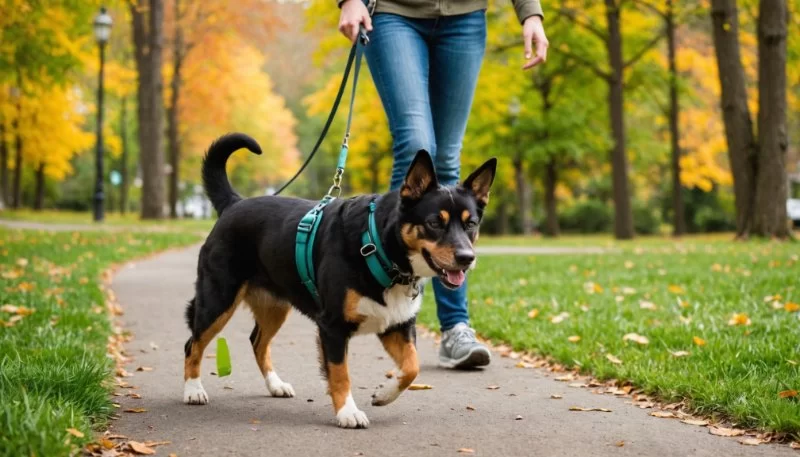
Loose leash walking refers to the behavior where the dog walks calmly by your side without pulling on the leash. This is different from “tight leash walking,” where the leash is taut, and the dog is pulling ahead. Achieving loose leash walking is not about just stopping the pulling but encouraging your dog to walk alongside you without tension.

3. Steps to Train Loose Leash Walking
3.1. Start with Basic Commands
Before diving into loose leash walking, your dog should have a solid understanding of basic commands like “sit,” “stay,” and “come.” These commands will help in managing your dog’s attention and ensure they are focused on you during the training process.
3.2. Choose the Right Equipment
The right leash and harness can make a significant difference in training. For training purposes, a standard flat collar or harness is preferable. Avoid using retractable leashes as they tend to encourage pulling. Opt for a 4-6 foot leash, which provides enough room for your dog to move while still maintaining control.
3.3. Begin with Short Training Sessions
Start by taking short walks around your home or yard, where there are fewer distractions. Reward your dog with treats when they walk next to you calmly without pulling. Use positive reinforcement to reward good behavior and stop immediately if they pull ahead, then gently guide them back to your side.
3.4. Consistency is Key
Consistency is one of the most important factors when training loose leash walking. Always walk your dog in the same direction, using the same commands, and rewarding them for staying by your side. Practice regularly, even if it's just for a few minutes a day.
3.5. Reward-Based Training
Use high-value treats and praise when your dog is walking by your side. This positive reinforcement helps to associate the calm walking behavior with rewards, making it more likely they will repeat the behavior. Gradually decrease the frequency of treats once your dog gets the hang of it.
4. Troubleshooting Common Problems
4.1. Dealing with Pulling
If your dog pulls on the leash, immediately stop walking and wait for them to come back to your side. Don’t yank the leash, as this can confuse your dog or encourage pulling as a way of getting what they want. You can also try turning in the opposite direction to redirect their focus back to you.
4.2. Handling Distractions
Outdoor walks can be full of distractions, from other dogs to squirrels and interesting smells. If your dog becomes distracted, stop walking and wait for them to refocus on you before continuing. You can use treats to keep their attention and practice loose leash walking in progressively more distracting environments.
4.3. Training in New Environments
As your dog becomes more proficient at loose leash walking, it’s important to challenge them by training in different locations, such as busy streets, parks, or dog-friendly areas. Each environment presents unique distractions, so be patient and continue to reinforce the behavior consistently.
5. The Role of Positive Reinforcement
Positive reinforcement is essential for reinforcing good walking behavior. Instead of punishing your dog for pulling, reward them when they walk calmly by your side. This creates a positive association with walking politely on the leash. The key is to remain patient and consistent while gradually increasing the level of distraction in your environment.
6. Benefits of Loose Leash Walking
6.1. Enhanced Bonding
Training your dog to walk on a loose leash not only improves their behavior but also strengthens the bond between you and your dog. Walking together as a team can be a fun and rewarding experience for both of you, providing valuable time to connect.
6.2. Better Control During Walks
Loose leash walking offers better control over your dog during walks, reducing the chances of accidents or unwanted interactions with other dogs or people. It helps you maintain a calm and enjoyable experience while navigating different environments.
6.3. A Happier Dog
A well-trained dog is generally happier because they understand their boundaries and expectations. Loose leash walking provides mental stimulation and exercise, promoting a healthier and more fulfilled dog. It also reduces stress for both you and your dog during walks.
7. Conclusion: Building a Lifetime of Good Walking Habits
Training your dog to walk on a loose leash is a rewarding process that requires patience, consistency, and positive reinforcement. By following the steps outlined in this guide, you’ll not only teach your dog to walk calmly by your side, but you’ll also foster a deeper bond with your furry companion. Remember to be patient, stay consistent, and celebrate small victories along the way. Soon, you and your dog will enjoy relaxing walks together without the hassle of pulling.
For expert advice and training tips, visit Hidden Brook Veterinary for the best products and services for your dog.