- 1. Understanding Cat Behavior and Rubbing
- 2. The Scent Marking Instinct
- 3. Cats and Territoriality
- 4. Rubbing as a Sign of Affection
- 5. The Psychological Comfort of Rubbing
- 6. What You Can Do If Your Cat Rubs Against Furniture Too Much
1. Understanding Cat Behavior and Rubbing
If you're a cat owner, you've probably witnessed your furry friend rubbing against furniture, walls, or even your legs. At first glance, this behavior may seem odd or simply like an affectionate gesture. However, as I’ve learned through both research and experience, there’s more to it than just a simple nuzzle. Cats rub against furniture for several reasons, from marking their territory to seeking comfort. In this article, I’ll share my insights into why cats love rubbing against furniture, shedding light on the deeper motivations behind this endearing behavior.

2. The Scent Marking Instinct
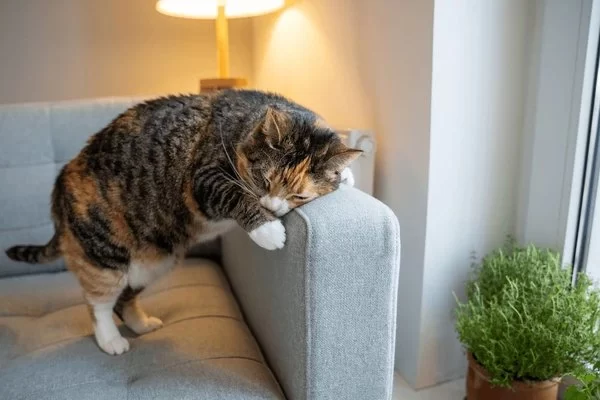
One of the primary reasons cats rub against furniture is to mark their territory using scent. Cats have scent glands located on their cheeks, around their forehead, and under their chin. When they rub their face or body against furniture, they’re actually transferring their scent onto it. This is not just random behavior; it's a way for them to communicate and establish their presence in the area.
I remember when I first adopted my cat, Luna. She would immediately rub her face against the sofa, the curtains, and even the kitchen counter. At first, I thought it was a sign of affection. But after observing her for a while, I realized that she was marking the entire house as hers. Cats are territorial creatures, and rubbing is their way of letting other animals know, "This space belongs to me." This is especially important if you have multiple pets or if your cat is exposed to outdoor elements where other animals might enter the territory.

3. Cats and Territoriality
As I mentioned, cats are inherently territorial, and rubbing against furniture is an extension of their need to claim their space. This territorial behavior is seen in both indoor and outdoor cats. For indoor cats, their territory includes the furniture, the rooms, and even the spaces within the house that they frequent. Rubbing against furniture helps them maintain a sense of control and security over their environment.
I noticed this when I introduced a new piece of furniture into my home. My cat, Luna, immediately approached the new piece and began rubbing her face against it. Over time, she repeated this action, and it seemed like she was "settling" the new item into her territory. This is a perfectly normal cat behavior that stems from their instinct to keep their living space safe and familiar.
4. Rubbing as a Sign of Affection
While territorial marking is one reason for rubbing, it’s important to note that cats also rub against furniture or people as a sign of affection. If your cat rubs against your legs or the furniture while you’re around, it’s often a way for them to bond with you. Cats have scent glands around their cheeks and head, and when they rub against you or your furniture, they’re essentially giving you a “scented” greeting.
Think of it as a form of social grooming, similar to how cats groom each other to show affection. When Luna rubs her face against mine, I know she’s not just marking her territory—she’s expressing her trust and love for me. It’s a gesture that signals comfort and a desire to connect. This behavior is often more evident in the early mornings or evenings when cats are looking to show affection after a night of rest or before seeking attention from their owners.
5. The Psychological Comfort of Rubbing
Aside from territorial marking and affection, rubbing against furniture can also provide cats with psychological comfort. Cats have sensitive whiskers, and rubbing their face or body against surfaces stimulates these whiskers, giving them a sense of tactile pleasure. It’s almost like a form of self-soothing. If your cat seems to rub excessively against furniture or objects, it could be their way of relieving stress or anxiety. I’ve observed this with Luna whenever we have guests over or during moments of change, such as when I moved the furniture around. The familiar act of rubbing helps her regain a sense of stability and comfort in a new environment.
This behavior can be particularly evident in situations where your cat feels uncertain or insecure. Cats may rub against furniture or objects to self-soothe and re-establish their comfort zone. For example, when Luna first encountered a new piece of furniture, she rubbed against it repeatedly as if to claim it as a safe space. It helped her feel grounded in a changing environment.
6. What You Can Do If Your Cat Rubs Against Furniture Too Much
As much as I adore Luna's affectionate rubs, there have been times when her excessive rubbing has been a bit too much, especially if it involves furniture that I want to keep free from cat markings. If you notice your cat rubbing against furniture too much, here are a few tips to manage the behavior:
- Provide More Attention: Sometimes, excessive rubbing can be a sign that your cat wants more attention. Spending more quality time with your cat, playing with them, and providing more interactive toys can help reduce this behavior.
- Provide Alternative Scratching Posts: Providing more scratching posts or places for your cat to rub against can help redirect their focus. Cats enjoy scratching and rubbing on textured surfaces, and by offering them alternatives, you can help preserve your furniture.
- Use Scent Deterrents: If your cat is over-marking furniture, consider using pet-safe scents or sprays designed to deter rubbing. These sprays can help protect your furniture while still respecting your cat’s natural behaviors.
- Regular Playtime: Engage in regular play sessions with your cat using toys like feather wands or laser pointers. Keeping your cat entertained and physically active may help reduce the need for excessive rubbing.
In most cases, rubbing is a harmless and natural behavior, but if it becomes excessive or destructive, these simple strategies can help you manage the behavior without stifling your cat’s instincts.
If you need advice on managing your cat’s behavior or want more tips on keeping your home and furniture safe from unwanted marking, be sure to visit Hidden Brook Veterinary for expert recommendations and products tailored to your pet's needs.