- How-to-Tell-If-Your-Dog-Is-Too-Hot-During-Summer
- Early-Warning-Signs-of-Overheating
- Dangerous-Symptoms-of-Heat-Stress
- Dogs-Most-At-Risk-in-Hot-Weather
- How-to-Keep-Your-Dog-Cool
How to Tell If Your Dog Is Too Hot During Summer
Summer can be a wonderful time for outdoor adventures with our pets, but it also brings real risks. Many dog owners underestimate how quickly heat can affect a dog’s body. Understanding how to tell if your dog is too hot during summer can help prevent serious health emergencies and even save your pet’s life.
Unlike humans, dogs do not sweat efficiently. They rely mainly on panting and limited sweat glands in their paw pads to regulate body temperature. This means they can overheat much faster than people, especially during humid days or direct sun exposure.
I once spoke with a dog owner who took her Labrador on a short afternoon walk during a mild heatwave. The temperature was only in the mid-80s, but within minutes the dog slowed down and refused to continue. Thankfully she recognized something was wrong and returned home immediately. A visit to the veterinarian confirmed early heat stress — a situation that could have become dangerous very quickly.
Knowing the early and advanced signs of overheating helps owners respond quickly and keep their dogs safe.
Early Warning Signs of Overheating
The earliest signs of overheating often appear subtle. Dogs rarely show dramatic symptoms at first, which is why early recognition is important.
1. Changes in Breathing Patterns
1.1 Rapid Panting
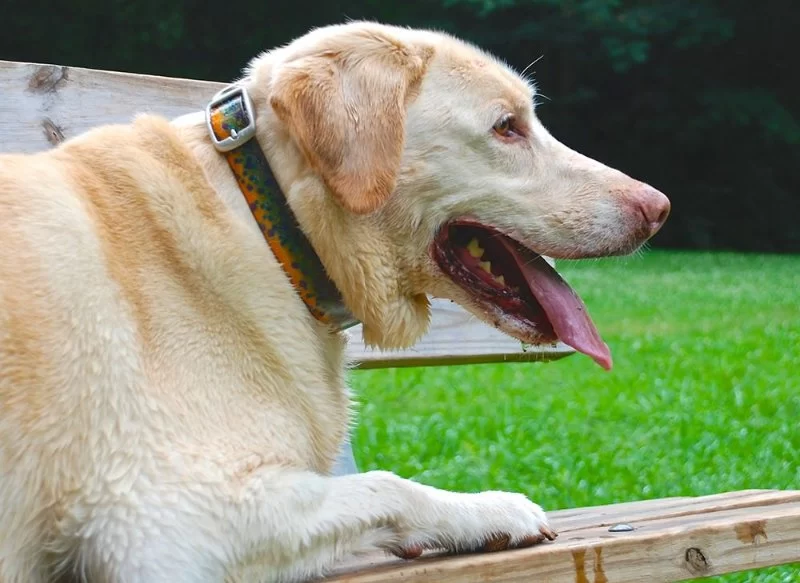
Panting is normal for dogs, but excessive panting can indicate rising body temperature. If your dog begins panting heavily after only mild activity, this may be one of the first signs of heat stress.
Healthy panting should slow down after a few minutes of rest. Continued heavy breathing is a warning sign.
1.2 Loud or Labored Breathing
Some dogs develop noisy or strained breathing when they become overheated.
This happens because the body is trying to cool itself more aggressively.
2. Behavioral Changes
2.1 Slowing Down During Activity
One of the most reliable signs that a dog is getting too warm is a sudden decrease in energy.
Dogs may:
1. Walk more slowly
2. Stop frequently
3. Lie down in shaded areas
4. Refuse to continue walking
These behaviors indicate the dog is attempting to conserve energy and cool down.
2.2 Seeking Cool Surfaces
Overheated dogs instinctively look for cooler places.
They may lie on tile floors, dig into soil, or stretch out on concrete surfaces where heat can dissipate from their bodies.
3. Physical Indicators
3.1 Excessive Drooling
Drooling often increases when a dog is overheated. Thick saliva or foam around the mouth may indicate rising body temperature.
3.2 Warm Ears and Paw Pads
The ears and paw pads often feel warmer than usual when a dog is overheating.
Checking these areas can provide quick clues about your dog’s condition.
Dangerous Symptoms of Heat Stress
If early warning signs are ignored, heat stress can progress into heatstroke, a life-threatening emergency.
1. Severe Physical Symptoms
1.1 Vomiting or Diarrhea
Digestive upset can occur when body temperature becomes dangerously high.
This symptom indicates that the dog needs immediate cooling and veterinary care.
1.2 Bright Red or Pale Gums
Abnormal gum color is a serious warning sign.
Healthy gums should appear pink and moist. Changes in color may indicate poor circulation or overheating.
2. Neurological Warning Signs
2.1 Disorientation
Overheated dogs may appear confused or unsteady.
They might bump into objects or struggle to stand.
2.2 Collapse or Weakness
Collapse is an emergency symptom that requires immediate veterinary attention.
This indicates the body is no longer able to regulate temperature safely.
Dogs Most At Risk in Hot Weather
Some dogs face greater risks during warm weather conditions.
1. Breed and Body Type Factors
1.1 Thick-Coated Breeds
Dogs with dense coats retain heat longer.
Breeds commonly affected include:
1. Huskies
2. Golden Retrievers
3. German Shepherds
4. Bernese Mountain Dogs
1.2 Short-Nosed Breeds
Brachycephalic breeds often struggle with temperature regulation.
These include:
1. Bulldogs
2. Pugs
3. Boxers
Their airway structure makes cooling through panting less efficient.
2. Health and Age Considerations
2.1 Senior Dogs
Older dogs often have reduced cardiovascular efficiency.
This makes it harder to regulate body temperature.
2.2 Overweight Dogs
Excess body fat traps heat and increases the risk of overheating.
Weight management plays a role in heat safety.
How to Keep Your Dog Cool
Preventing overheating is much easier than treating it.
1. Daily Prevention Strategies
1.1 Timing Outdoor Activities
Walking early in the morning or late in the evening significantly reduces heat exposure.
Midday sun creates the highest risk.
1.2 Constant Access to Water
Fresh water helps regulate body temperature.
Portable water bowls are useful during walks or travel.
2. Cooling Techniques
2.1 Safe Cooling Methods
If your dog becomes warm, gradual cooling works best.
Effective techniques include:
1. Moving into shade
2. Offering cool water
3. Using damp towels
4. Running a fan indoors
2.2 Avoid Sudden Temperature Changes
Very cold water or ice baths can cause shock.
Cooling should always be gradual and controlled.
If you ever feel unsure about your pet’s condition during hot weather, professional guidance can make a difference. Hidden Brook Veterinary provides helpful resources and experienced care for pet owners who want to better protect their animals during extreme temperatures.
Understanding how to tell if your dog is too hot during summer allows owners to act quickly and prevent dangerous situations before they develop into emergencies.