- Misconceptions About Raw Diets for Dogs and Cats
- What is a Raw Diet for Pets?
- Common Misconceptions about Raw Diets
- Benefits of a Raw Diet for Pets
- How to Transition Your Pet to a Raw Diet
Misconceptions About Raw Diets for Dogs and Cats
As pet owners, we all want the best for our furry friends. Over the years, raw diets for pets, especially for dogs and cats, have gained popularity. However, despite their growing reputation, many misconceptions still surround raw diets. Some believe that these diets are dangerous or unnecessary, while others feel overwhelmed by the idea of feeding their pets raw food. In this article, I will address some of the most common misconceptions about raw diets and clear up any confusion. By understanding the facts, you can make an informed decision about whether a raw diet is right for your pet.

What is a Raw Diet for Pets?
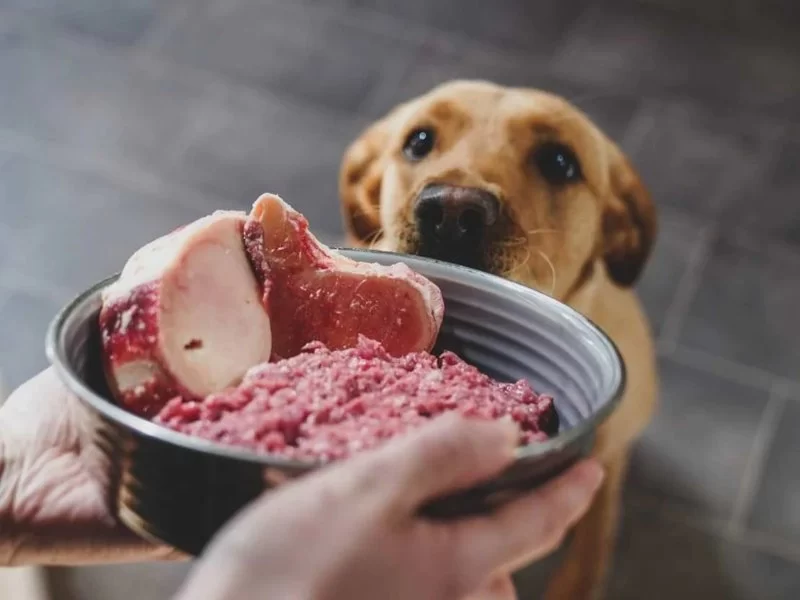
A raw diet for dogs and cats typically consists of unprocessed foods like raw meat, bones, organs, and vegetables. The idea behind this diet is to mimic what pets’ ancestors might have eaten in the wild. Instead of kibble or canned food, which are highly processed, raw diets aim to provide natural, nutrient-rich foods that promote better health and vitality. Raw feeding enthusiasts believe that this diet helps to improve digestion, skin, coat quality, and even behavior.

Common Misconceptions about Raw Diets
Despite the benefits, many pet owners hesitate to switch to a raw diet because of common misconceptions. Let’s explore the most frequent misunderstandings and set the record straight.
1. Raw Diets Are Dangerous and Cause Illness
This is one of the biggest myths I’ve encountered when talking to fellow pet owners. Many people fear that feeding raw food will lead to bacterial infections like Salmonella or E. coli. While it’s true that raw food can harbor bacteria, the risks can be minimized with proper food handling. Just as humans can eat raw fish or rare meat safely by following hygiene practices, you can safely prepare raw meals for your pets. It’s essential to buy high-quality meat from a reputable source, store it properly, and wash your hands and surfaces after handling the food.
2. Raw Diets Are Not Balanced
Another misconception is that raw diets are not nutritionally balanced. While it’s true that improperly planned raw diets can lead to nutritional deficiencies, the key is to ensure the right balance of proteins, fats, vitamins, and minerals. Consulting with a veterinarian or pet nutritionist can help ensure that your pet’s raw diet meets all of their dietary needs. When done right, a raw diet can offer a highly balanced and natural way to feed your pets.
3. Dogs and Cats Can't Digest Raw Food
Some people believe that dogs and cats can’t properly digest raw food. However, this isn’t true. In fact, dogs and cats have digestive systems that are well-equipped for handling raw meats and bones. Their stomachs are more acidic than ours, which helps them break down raw food and kill harmful bacteria naturally. Over time, pets' digestive systems have adapted to consuming animal protein and other raw foods, making them capable of digesting raw diets effectively.
4. Raw Diets Are Expensive and Time-Consuming
While it's true that raw feeding may initially seem expensive, especially if you’re purchasing high-quality meat, the cost can be similar to, or even less than, premium commercial pet food. Additionally, once you learn how to prepare meals, it doesn’t necessarily take more time than preparing regular kibble or canned food. With proper planning and buying in bulk, raw feeding can become a convenient and affordable choice for many pet owners.
Benefits of a Raw Diet for Pets
Now that we've debunked some of the myths, let’s take a look at the real benefits of a raw diet for dogs and cats. Based on my own experience and the experiences of other pet owners, I’ve noticed several key advantages of feeding pets raw food.
1. Improved Coat and Skin Health
One of the most noticeable benefits of a raw diet is the improvement in coat and skin health. Raw foods, especially those rich in fatty acids, can help nourish your pet’s skin and coat from the inside out. I’ve seen pets who were once prone to dry, flaky skin or excessive shedding experience significant improvement after switching to a raw diet.
2. Increased Energy and Vitality
Many pet owners report that their dogs and cats become more energetic and lively after transitioning to a raw diet. This is likely due to the higher quality and bioavailability of nutrients in raw foods. The natural ingredients can boost overall health and give pets more vitality, which is great for active pets or those in need of extra energy.
3. Better Digestion
Raw diets can help with digestion. Raw food is more easily absorbed by pets’ bodies, which leads to smaller, firmer stools. Pets on raw diets often have fewer digestive issues such as bloating or gas. I’ve personally noticed that switching my dog to a raw diet resulted in improved digestion and fewer stomach upsets.
4. Weight Management
Raw feeding can be beneficial for weight management as well. Since raw food is less processed and doesn’t contain fillers like grains or artificial additives, it’s often easier for pets to maintain a healthy weight. With the right portion sizes, raw diets can help regulate your pet’s weight and keep them at an ideal size.
How to Transition Your Pet to a Raw Diet
Switching your pet to a raw diet requires patience and proper planning. Here's how to transition your pet to a raw food regimen:
1. Gradual Introduction
It’s important to introduce raw food gradually to allow your pet’s digestive system to adjust. Start by mixing small amounts of raw food with their current food and slowly increase the raw portion over a period of several days or weeks. This helps avoid digestive upset and gives your pet time to get used to the new diet.
2. Monitor Their Health
During the transition, keep an eye on your pet’s health and monitor their stool consistency, energy levels, and overall well-being. If you notice any issues, it’s always a good idea to consult with a vet or pet nutritionist who can help guide you through the transition process.
If you’re ready to explore raw feeding for your pets, visit Hidden Brook Veterinary for expert advice, guidance, and top-quality raw pet food options that will help support your pet’s health and well-being.