1. Hidden Brook Veterinary
  2. Pet Care Blog

Why Your Cat Rubs Against Your Legs and What It Means
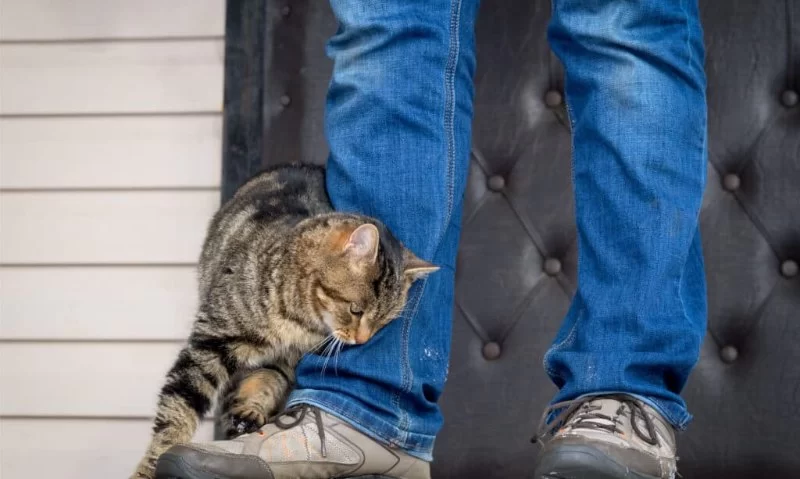
Why Do Cats Rub Against Your Legs?

If you're a cat owner, you've probably experienced the warm and fuzzy feeling of your cat rubbing against your legs. It’s a common and often endearing behavior that many pet parents enjoy. But why do cats do this? Is it a sign of affection, or is there a deeper meaning behind it? In this article, I’ll break down the different reasons why your cat might be rubbing against you and what it could mean in terms of feline behavior and communication.

Understanding the Behavior: The Cat’s Sensory World

Before diving into the specific reasons why cats rub against our legs, it’s important to understand a bit about how cats communicate. Cats are creatures of habit and use a combination of body language, vocalizations, and scent to convey their emotions and messages to those around them. They don’t rely solely on words the way humans do, so physical gestures, such as rubbing or nuzzling, play a significant role in how they interact with us. One of the primary ways cats communicate is through scent. They have scent glands located in various parts of their bodies, including their cheeks, paws, and even their tails. When a cat rubs against you, they’re essentially marking you with their scent, which serves several purposes. Understanding these behaviors can help you interpret your cat’s feelings and establish a stronger bond with your feline friend.

Reasons Why Your Cat Rubs Against Your Legs

There are several reasons why your cat might be rubbing against your legs. Each reason can tell you something different about your cat’s mood, emotional state, or intentions. Here are the most common explanations:

1. Affection and Bonding

One of the most common reasons cats rub against you is to show affection. When a cat rubs against you, they are marking you as part of their territory, but more importantly, they are reinforcing the bond between you. It’s their way of saying, “You are part of my family.” This behavior is often seen in cats that are comfortable and trust their owners. Cats may also rub against you when they are feeling playful or relaxed. For example, after a long nap, your cat may rub against you as a greeting. This is similar to how they might rub against other cats or members of their social group. It’s a sign that they’re comfortable in your presence and enjoy your company.

2. Marking Territory

While this may sound territorial, it’s actually a normal and instinctual behavior for cats. Cats have scent glands on their face and along the sides of their body, and by rubbing against you, they are marking you as “theirs.” This behavior is a way of claiming you as part of their territory, and it helps them feel secure in their environment. It’s similar to how cats might rub up against furniture or other objects in their home to claim ownership. This behavior is typically harmless and should be taken as a sign that your cat feels comfortable and safe around you. It’s not about dominance but rather about creating a familiar and secure environment where they feel they belong.

3. Seeking Attention or Food

Sometimes, when a cat rubs against you, it’s because they want something—whether it’s your attention, affection, or perhaps a little treat. Cats quickly learn that rubbing against their owners often results in a positive response, such as petting or being fed. If your cat is rubbing against you and meowing or giving you an expectant look, they might be trying to get your attention for food or some playtime. This behavior can be a form of communication, signaling to you that your cat has a need they want you to fulfill. It’s important to pay attention to their other cues, such as vocalizations, body language, and the time of day (are they near their feeding area?) to determine what your cat may be asking for.

4. Stress or Anxiety Relief

Although it’s more common for cats to rub against their owners when they’re feeling comfortable, it’s also possible that your cat is using this behavior to alleviate stress or anxiety. Cats may rub against familiar objects, including their owners, to soothe themselves during times of unease. If you’ve recently made changes in the home, such as rearranging furniture, introducing a new pet, or moving to a new location, your cat may be rubbing against you as a way to calm down. Additionally, rubbing against you can help your cat feel more grounded in a situation that may feel uncertain or overwhelming. It’s their way of seeking comfort and reassurance from you, their trusted companion.

5. Expressing an Invitation to Play

When a cat rubs against your legs, especially in a rhythmic manner, they might be inviting you to play. Cats are playful creatures, and when they rub against you, it could be a sign that they’re ready for some fun. You might notice this behavior more often when they’re feeling energetic and want to engage in activities like fetch, chase, or interactive toys. If you observe your cat rubbing against your legs followed by a playful pounce or a wiggle of their rear, it’s likely an invitation to engage in some fun, active playtime.

What to Do When Your Cat Rubs Against You

Understanding why your cat rubs against you can help you respond appropriately and strengthen your relationship. Here are some things you can do when your cat exhibits this behavior:

1. Respond with Affection

If your cat is rubbing against you out of affection, show them the same love and care in return. Pet them gently, speak to them in a soothing voice, and let them know you appreciate their companionship. This positive reinforcement will encourage your cat to continue this behavior, and you’ll strengthen your bond.

2. Ensure Their Needs Are Met

If your cat is rubbing against you because they want something—whether it’s food, water, or attention—make sure their needs are met. Offer them their favorite treats, provide a clean bowl of water, or take a few minutes to play with them. Cats are highly intuitive and will recognize that you’re responding to their cues, which can improve your relationship.

3. Be Mindful of Stress Triggers

If your cat seems to be rubbing against you due to anxiety or stress, try to identify any changes or disruptions in their environment. Cats are creatures of habit, and anything that feels unfamiliar or uncomfortable may lead to stress. Providing them with a safe, quiet space, and maintaining a calm and stable environment can help alleviate their anxiety.

Conclusion: Understanding Your Cat’s Emotional World

When your cat rubs against your legs, it’s a gesture of affection, communication, and connection. Whether they’re marking their territory, seeking attention, or simply expressing their love, understanding this behavior can help you build a stronger bond with your feline friend. By paying attention to the context of the behavior and your cat’s body language, you’ll be able to respond in ways that nurture their emotional well-being and enhance your relationship. At Hidden Brook Veterinary, we provide guidance and care for your pets to ensure they live happy, healthy lives. Visit our website for more information on how to support your cat’s emotional and physical needs.