- 1. Why Dental Cleaning Is Important for Pets
- 2. Signs That Your Pet May Need Dental Cleaning
- 3. What Happens During the Dental Cleaning Procedure
- 4. Common Questions About Pet Dental Cleaning
- 5. Post-Cleaning Care and Maintenance
- 6. Why Regular Dental Cleaning Is Key to Your Pet’s Well-Being
1. Why Dental Cleaning Is Important for Pets
Just like us, pets can suffer from dental issues, including plaque buildup, gum disease, and bad breath. As a pet owner, I quickly learned that taking care of my pet’s teeth is not just about keeping their breath fresh—it's about their overall health and well-being. Poor oral hygiene can lead to more serious health problems such as heart disease, kidney disease, and tooth loss.
Dental cleaning for pets is an essential part of maintaining their health. In fact, regular dental cleanings are just as important for pets as they are for us. While brushing your pet's teeth at home can help prevent plaque and tartar buildup, a professional dental cleaning by a veterinarian is necessary to thoroughly clean the teeth, remove tartar, and ensure your pet’s gums remain healthy.

2. Signs That Your Pet May Need Dental Cleaning
As much as we try to take care of our pets, dental issues can sometimes go unnoticed. However, there are some common signs that may indicate it’s time for a professional dental cleaning. As a pet owner, I’ve learned to recognize these signs early on, and it makes a world of difference in preventing more serious dental problems later.

2.1 Bad Breath
One of the first signs that your pet may need dental cleaning is bad breath. While a slight odor is normal, persistent foul breath often indicates the presence of plaque or gum disease. If your pet’s breath has taken a turn for the worse, it’s time to consult your veterinarian.
2.2 Yellow or Brown Teeth
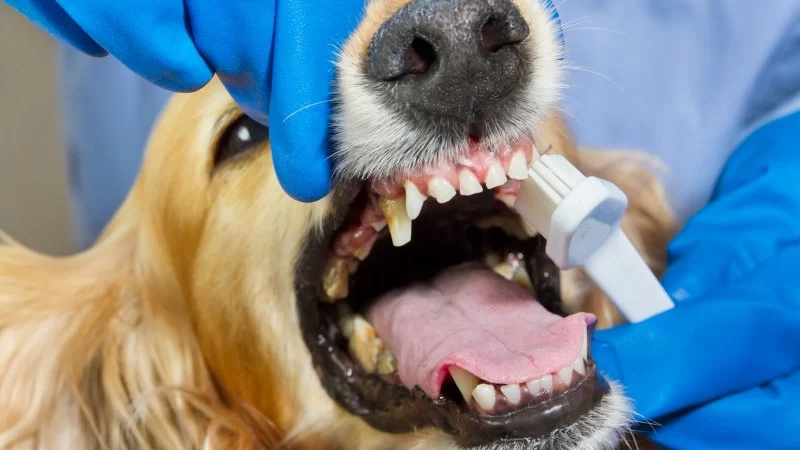
If you notice yellow or brown buildup on your pet’s teeth, this could be plaque or tartar. Plaque buildup can harden over time, leading to tartar, which can only be removed by a professional cleaning. This is an important sign that your pet’s teeth need a deep cleaning.
2.3 Difficulty Eating or Drooling
Pets experiencing dental issues may have trouble eating or chewing their food, especially if their teeth are painful. Excessive drooling can also be a sign of oral discomfort. If your pet is showing any of these signs, it could be time for a dental cleaning and checkup.
3. What Happens During the Dental Cleaning Procedure
If you’ve never had your pet’s teeth professionally cleaned before, you might be wondering what to expect during the procedure. I remember feeling a little nervous when I took my dog for his first cleaning, but I quickly realized that the process was straightforward and essential for his health.
3.1 Pre-Cleaning Examination
Before the dental cleaning begins, the veterinarian will typically perform a thorough examination of your pet’s teeth and gums. This allows them to identify any signs of disease, tooth damage, or other oral health issues that may need to be addressed. This is also a good time to ask the vet questions about your pet’s oral health.
3.2 Anesthesia for a Thorough Cleaning
To ensure your pet stays still and relaxed during the cleaning, most veterinary clinics administer general anesthesia. This is essential because it allows the vet to thoroughly clean your pet’s teeth and gums without causing any discomfort. As a pet owner, I appreciated knowing that my dog was safely asleep and comfortable throughout the procedure.
3.3 The Cleaning Process
During the cleaning, the vet or technician will use specialized instruments to remove tartar and plaque from the teeth. They’ll also clean the surfaces of the teeth and underneath the gum line. In some cases, if any dental disease or infection is detected, the vet may recommend additional treatments, such as tooth extractions or scaling to remove deeper tartar buildup.
4. Common Questions About Pet Dental Cleaning
As a pet owner, I had several questions before scheduling my pet’s dental cleaning. Here are some common questions and answers that might help alleviate any concerns you have about the process:
4.1 Is Dental Cleaning Safe for My Pet?
Yes, dental cleaning is generally very safe for pets. Veterinarians use anesthesia to ensure your pet is relaxed and comfortable throughout the procedure. Additionally, they monitor vital signs during the cleaning to ensure your pet’s safety. If you’re concerned about anesthesia, talk to your vet about any specific risks and how they’ll keep your pet safe.
4.2 How Often Should I Get My Pet’s Teeth Cleaned?
The frequency of dental cleaning depends on your pet’s breed, age, and oral health. Typically, pets should have their teeth cleaned once a year, but some pets may require more frequent cleanings. Your vet will provide guidance on how often your pet needs a cleaning based on their individual needs.
5. Post-Cleaning Care and Maintenance
After your pet’s dental cleaning, it’s important to follow the vet’s instructions for post-cleaning care. This might include offering softer food for a few days or avoiding hard toys that could harm your pet’s teeth. Additionally, your veterinarian may recommend brushing your pet’s teeth regularly at home to maintain the cleanliness and health of their teeth.
5.1 Brushing at Home
One of the best ways to maintain your pet’s oral health after a cleaning is by brushing their teeth at home. While this might seem intimidating at first, it’s actually a great way to keep plaque buildup at bay. I started brushing my dog’s teeth regularly with pet-safe toothpaste, and it’s made a noticeable difference in his overall oral health.
5.2 Regular Checkups
Even after a professional cleaning, it’s important to schedule regular checkups to monitor your pet’s oral health. Your veterinarian will be able to identify early signs of dental problems and offer preventive care to ensure your pet’s teeth stay healthy.
6. Why Regular Dental Cleaning Is Key to Your Pet’s Well-Being
Regular dental cleaning is essential not only for maintaining your pet’s teeth but for their overall health. Poor oral hygiene can lead to more serious health problems, including heart disease, kidney issues, and oral infections. By staying proactive and scheduling regular dental cleanings, you can help ensure that your pet lives a long, healthy life.
To give your pet the best care, I highly recommend considering professional dental cleaning as part of their overall healthcare routine. For more information on pet dental care, be sure to visit Hidden Brook Veterinary, where you can find the right dental services for your furry friend.