- Why-Dogs-Shake-Their-Heads
- Common-Causes-Head-Shaking
- Warning-Signs-Vet
- Preventing-Ear-Problems
- Healthy-Ear-Care-Routine
Why Your Dog Shakes Its Head and When to See a Vet
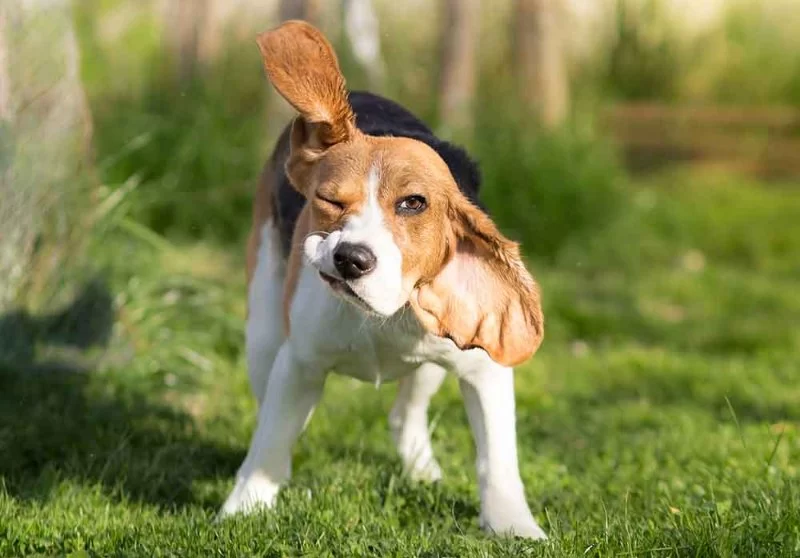
If you've ever lived with a dog, you've probably seen that sudden, vigorous head shake that makes their ears flap wildly. At first, I used to think it was completely normal behavior — just like when dogs stretch after a nap or spin in circles before lying down. But after my own dog started shaking his head several times a day, I realized that understanding Why Your Dog Shakes Its Head and When to See a Vet is more important than most pet owners realize.
Occasional head shaking is normal. Dogs may shake their heads after waking up, after a bath, or after rolling in the grass. However, repeated or aggressive head shaking can signal underlying health issues that need attention. Learning the difference between harmless behavior and potential medical problems can help protect your dog’s health and comfort.
Many experienced pet owners turn to Hidden Brook Veterinary when they want trusted guidance on ear care and early warning signs of canine health issues.
1. Normal Head Shaking Behavior
1.1 Clearing Debris
Dogs naturally shake their heads to remove dust, water, or loose debris from their ears. This is especially common after outdoor play or grooming sessions.
A single quick shake followed by normal behavior is usually nothing to worry about.
1.2 Resetting Ear Position
Dogs with long or floppy ears often shake their heads simply to reposition their ears.
This behavior happens frequently in breeds like spaniels and retrievers.
1.3 After Bath Time or Swimming
Water trapped in the ears often causes temporary discomfort.
Head shaking helps remove moisture and restore comfort.
2. Behavior That May Signal Problems
2.1 Frequent Head Shaking
If a dog shakes its head repeatedly throughout the day, it often indicates irritation.
Persistent shaking usually means something inside the ear is causing discomfort.
2.2 Scratching Alongside Shaking
When head shaking is combined with ear scratching, redness, or rubbing against furniture, the problem is often medical.
This combination suggests inflammation or infection.
2.3 Changes in Mood or Energy
Dogs experiencing ear pain may become withdrawn or irritable.
Reduced appetite and restlessness can also appear.
Common Causes Head Shaking
Understanding Why Your Dog Shakes Its Head and When to See a Vet requires looking at the most common medical causes behind this behavior.
1. Ear Infections
1.1 Bacterial or Yeast Infections
Ear infections are one of the leading causes of head shaking in dogs.
Moisture and trapped debris create ideal conditions for bacteria or yeast to grow.
1.2 Signs to Watch For
Common symptoms include odor, discharge, and redness.
Dogs may tilt their heads or show sensitivity when touched.
2. Ear Mites
2.1 Tiny Parasites
Ear mites are microscopic parasites that cause severe itching.
They are especially common in puppies and rescue dogs.
2.2 Visible Symptoms
Dark debris inside the ears often resembles coffee grounds.
Dogs usually shake their heads constantly.
3. Allergies
3.1 Environmental Triggers
Pollen, dust, and mold can trigger allergic reactions that affect the ears.
Inflammation leads to irritation and shaking.
3.2 Food Sensitivities
Some dogs develop chronic ear issues from food allergies.
These cases often require long-term dietary adjustments.
4. Foreign Objects
4.1 Grass Seeds and Debris
Small objects can become trapped inside the ear canal.
This causes immediate discomfort and intense shaking.
4.2 Sudden Onset Symptoms
If shaking begins suddenly after a walk, debris may be the cause.
This situation usually requires professional removal.
5. Ear Hematomas
5.1 Blood Vessel Damage
Excessive shaking can rupture blood vessels inside the ear flap.
This leads to swelling known as an ear hematoma.
5.2 Visible Swelling
The ear may appear puffy or balloon-like.
Veterinary treatment is necessary.
Warning Signs Vet
Knowing Why Your Dog Shakes Its Head and When to See a Vet becomes critical when symptoms go beyond mild irritation.
1. Persistent Symptoms
1.1 Shaking Lasting Several Days
If head shaking continues for more than two days, professional evaluation is recommended.
Early treatment prevents complications.
1.2 Worsening Symptoms
Increasing redness or discharge signals infection.
Ignoring symptoms may lead to chronic problems.
2. Signs of Pain
2.1 Sensitivity to Touch
If your dog pulls away when ears are touched, pain is likely present.
Professional diagnosis becomes important.
2.2 Crying or Whining
Vocal signs often indicate serious discomfort.
Immediate care may be needed.
3. Balance Problems
3.1 Head Tilting
Persistent head tilt may indicate inner ear involvement.
This requires urgent veterinary attention.
3.2 Walking Difficulties
Loss of coordination can signal deeper infection.
Quick treatment improves outcomes.
Pet owners often consult Hidden Brook Veterinary when symptoms become persistent or unusual because early diagnosis can prevent long-term ear damage.
Preventing Ear Problems
Preventing ear problems plays a major role in reducing episodes related to Why Your Dog Shakes Its Head and When to See a Vet.
1. Routine Ear Checks
1.1 Weekly Inspection
Checking your dog’s ears weekly helps detect early changes.
Healthy ears should appear pink and clean.
1.2 Recognizing Early Signs
Mild redness or wax buildup may indicate early irritation.
Early action prevents infection.
2. Keeping Ears Dry
2.1 After Swimming
Moisture increases infection risk.
Gently drying ears helps maintain health.
2.2 After Baths
Water trapped inside ears encourages bacteria.
Proper drying reduces risk.
3. Grooming Considerations
3.1 Hair Management
Excess hair can trap moisture.
Regular grooming improves airflow.
3.2 Professional Grooming
Some breeds benefit from professional ear care.
This reduces long-term problems.
Healthy Ear Care Routine
Developing a routine helps minimize issues connected with Why Your Dog Shakes Its Head and When to See a Vet.
1. Gentle Cleaning
1.1 Using Proper Solutions
Special ear cleaners help remove debris safely.
Harsh chemicals should be avoided.
1.2 Proper Technique
Cleaning should be gentle and controlled.
Deep insertion of tools should be avoided.
2. Monitoring Behavior
2.1 Tracking Changes
Behavior changes often appear before visible symptoms.
Noticing patterns helps early detection.
2.2 Seasonal Patterns
Some dogs experience seasonal ear irritation.
Awareness helps prevention.
Understanding ear health and recognizing early symptoms ensures that occasional head shaking stays harmless rather than turning into a serious condition.