1. Hidden Brook Veterinary
  2. Pet Care Blog

How to Tell If Your Pet Has an Ear Infection – Symptoms & Treatment
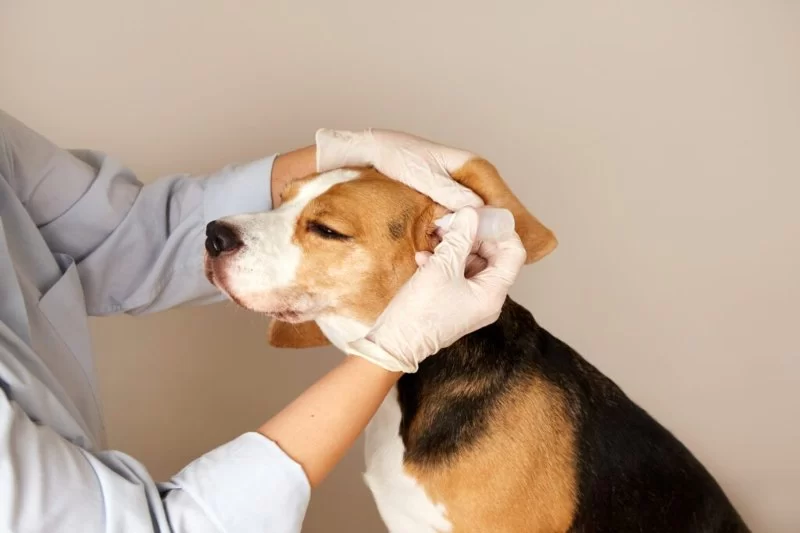
Understanding Pet Ear Infections: How to Tell If Your Pet Has One

As pet owners, we want nothing more than to keep our furry companions healthy and happy. That’s why it’s essential to be aware of the symptoms of common pet ailments, including ear infections. Whether you have a dog or a cat, ear infections are relatively common, and they can be uncomfortable for your pet if not addressed promptly. In this article, I'll walk you through how to recognize the signs of an ear infection in your pet, what causes them, and how to effectively treat them. If you're a pet owner, especially for the first time, knowing the basics of ear infections could make all the difference in your pet's well-being. I’ve also included some personal insights based on experiences with my own pets, so you’ll be fully equipped to handle this issue if it arises.

1. What Causes Ear Infections in Pets?

Before diving into the symptoms, it's important to understand what causes ear infections in pets. Just like humans, pets can develop infections in their ears, and the causes can vary.

1.1 Bacterial and Fungal Infections

The most common causes of ear infections in pets are bacteria and yeast (fungus). These microorganisms thrive in warm, moist environments, making the ears, especially floppy ears, an ideal breeding ground. If your pet's ears are frequently moist or dirty, this can lead to an overgrowth of bacteria or yeast, resulting in an infection.

1.2 Allergies

Allergies, whether environmental or food-related, are another leading cause of ear infections. When pets have allergies, their immune system reacts by producing excess moisture in the ears, creating an environment conducive to infection. Pets with allergies often develop secondary infections in their ears due to the body's inability to fight off invading bacteria or yeast.

1.3 Ear Mites and Foreign Objects

Ear mites are tiny parasites that infest the ear canal, causing discomfort and irritation in pets, especially in cats. Additionally, foreign objects, like grass seeds, can find their way into your pet's ears, causing pain and potentially leading to an infection.

2. Common Symptoms of Ear Infections in Pets

Recognizing an ear infection early can help you get treatment for your pet before the infection becomes severe. Here are some of the most common symptoms I’ve observed when my pets had ear infections:

2.1 Scratching and Rubbing at the Ears

If you notice your pet constantly scratching or rubbing their ears against furniture or the floor, it may be a sign of irritation or pain caused by an ear infection. My dog, Max, did this all the time when he had an infection, and it was a big indicator that something was wrong.

2.2 Head Shaking

Pets with ear infections often shake their heads to try and relieve the discomfort. Head shaking is a clear sign of irritation in the ear, and it’s something I immediately took note of with my cat, Luna. If you see your pet shaking their head more than usual, it could be due to an ear infection.

2.3 Discharge from the Ears

Perhaps the most obvious symptom of an ear infection is the presence of unusual discharge. This can be yellow, brown, or even bloody. If you notice any discharge from your pet's ears, it’s important to take them to the vet right away. I once noticed a dark, waxy discharge from my dog’s ear, which led to a quick visit to the vet where he was diagnosed with a bacterial infection.

2.4 Odor Coming from the Ears

An unpleasant odor from your pet’s ears is another indication of an infection. The smell may be strong and foul due to the buildup of bacteria or yeast. This was the case with my cat, who developed an infection after not getting regular ear cleaning.

2.5 Redness and Swelling

Infected ears often appear red and swollen. If you gently lift your pet's ear flap and notice any redness or puffiness inside the ear, it could indicate an infection. Be gentle when checking as their ears may be very sensitive at this time.

3. What Should You Do If You Suspect an Ear Infection?

If you suspect your pet has an ear infection, it’s important not to delay treatment. In my experience, the sooner you address the issue, the easier it is to resolve. Here are the steps I recommend:

3.1 Schedule a Vet Visit

The first thing you should do if you notice any symptoms is schedule a vet visit. A vet will be able to examine your pet's ears, determine the cause of the infection, and recommend the appropriate treatment. Don't try to self-diagnose, as improper treatment could worsen the condition. During one of my visits, my vet tested my dog’s ear discharge under a microscope to check for yeast or bacteria, which helped them prescribe the right medication.

3.2 Follow the Vet’s Treatment Plan

Once the infection has been diagnosed, your vet may prescribe ear drops, antibiotics, or antifungal medication. I followed the vet’s instructions carefully when my pets had ear infections, as it’s crucial to complete the entire course of treatment, even if symptoms seem to improve.

3.3 Keep Your Pet’s Ears Clean

One of the best ways to prevent future ear infections is by keeping your pet’s ears clean. I make it a habit to clean my pets' ears regularly using a safe, vet-approved ear cleaning solution. This prevents moisture buildup and removes dirt or debris, keeping the ears healthy.

4. When to Seek Urgent Care for Your Pet’s Ear Infection

In most cases, ear infections can be treated easily with medication. However, there are certain situations where you should seek urgent care. If your pet’s ear infection doesn’t improve after treatment or if you notice severe pain, swelling, or bleeding, it’s important to get immediate veterinary care. I once had to take my dog to the emergency vet when his ear infection worsened. The infection had spread deep into his ear canal, requiring more aggressive treatment, so it’s always important to keep an eye on the progression of the infection.

5. Preventing Future Ear Infections in Pets

While some pets may be more prone to ear infections than others, there are a few things you can do to reduce the chances of them happening again:

5.1 Regular Ear Cleaning

Regular ear cleaning is one of the most effective ways to prevent ear infections. I’ve found that cleaning my pets’ ears once a week has significantly reduced the number of infections.

5.2 Keeping Ears Dry

If your pet is prone to ear infections, it’s essential to keep their ears dry, especially after baths or swimming. Make sure to dry their ears thoroughly using a soft towel.

5.3 Vet Checkups

Regular vet checkups can help catch ear infections early before they become a problem. During routine visits, your vet can check your pet’s ears for signs of infection or other issues.

Final Thoughts

Identifying and treating ear infections in pets early is crucial for their health and comfort. With the right knowledge and care, you can help your pet avoid the discomfort that comes with ear infections and prevent them from becoming a recurring issue. If you suspect an ear infection, don’t hesitate to visit your vet, and always follow the recommended treatment plan. With proper care, your furry companion will be back to their happy, healthy self in no time! If you need expert advice or help with your pet’s health, visit Hidden Brook Veterinary for more information on how to keep your pet’s ears and overall health in great shape.