How to Recognize and Treat Pet Feline Neurodegenerative Disease – Early Signs and Effective Care
Feline neurodegenerative disease is one of the most complex and heartbreaking conditions a cat owner can face. While it’s often associated with aging, neurological disorders in cats can also result from genetics, injury, or infection. Understanding how to recognize and treat pet feline neurodegenerative disease early can make a profound difference in your cat’s comfort and quality of life. At Hidden Brook Veterinary, we help pet owners identify the subtle warning signs and provide compassionate, science-based care to manage the condition effectively.
1. Understanding Feline Neurodegenerative Disease
1.1 What Is Neurodegeneration in Cats?
Neurodegenerative diseases involve the gradual loss of nerve cells in the brain and spinal cord, leading to impaired movement, memory, and behavior. In cats, these disorders can manifest in several forms, such as feline cognitive dysfunction (similar to Alzheimer’s disease in humans), cerebellar degeneration, or motor neuron disease. The condition can develop slowly, often going unnoticed until symptoms become more pronounced.

1.2 Common Causes and Risk Factors
While aging is the most common factor, feline neurodegenerative disease can also be linked to inherited traits, viral infections (like Feline Leukemia Virus or Feline Infectious Peritonitis), and environmental toxins. Certain breeds, such as Abyssinians and Bengals, may have a higher genetic predisposition to neurological decline. Understanding these risks allows owners to monitor their pets more closely and seek early intervention when necessary.
2. Recognizing Early Signs and Symptoms
2.1 Behavioral Changes
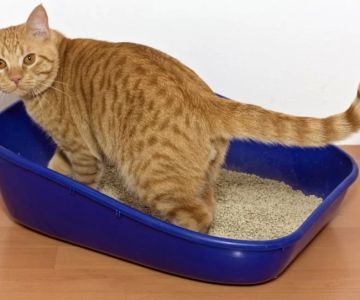
One of the earliest warning signs of feline neurodegenerative disease is a shift in behavior. Cats may become disoriented, forget litter box locations, or show reduced interest in play and affection. They might meow more frequently at night or appear confused in familiar surroundings. These changes often mimic dementia and are commonly mistaken for normal aging — but they’re not always benign.
2.2 Physical and Motor Symptoms
As the disease progresses, physical symptoms may appear. These include tremors, uncoordinated movements, weakness, or a tilted head. Cats may have trouble jumping or climbing, stumble frequently, or struggle to track moving objects. If your cat’s gait seems unsteady or they suddenly develop difficulty balancing, it’s time to consult a veterinarian immediately.
2.3 Sensory and Cognitive Decline
Neurodegeneration can also affect your cat’s senses and awareness. Some cats lose partial vision or hearing, while others appear unresponsive to stimuli. Memory lapses, difficulty recognizing family members, or changes in sleep cycles are also common. These signs indicate a decline in brain function and require professional evaluation to determine the cause.
3. Diagnosing Feline Neurodegenerative Disease
3.1 Comprehensive Veterinary Examination
Diagnosis begins with a full neurological and physical exam. Your vet will assess reflexes, balance, coordination, and sensory responses. A detailed history of your cat’s behavior and lifestyle helps identify potential triggers or patterns. Because symptoms can overlap with other conditions — such as arthritis, thyroid disorders, or inner ear infections — a thorough differential diagnosis is essential.
3.2 Advanced Imaging and Testing
Veterinarians may use diagnostic imaging like MRI or CT scans to evaluate the brain and spinal cord for abnormalities. Blood work can rule out infections or metabolic causes, while cerebrospinal fluid analysis can detect inflammation or viral activity. These tests are vital for confirming neurodegenerative disease and guiding the appropriate treatment plan.
3.3 Case Example: Early Detection Saves Mobility
One cat named “Milo” began showing minor balance issues and forgetfulness at age 12. His owner brought him to Hidden Brook Veterinary, where an early-stage cerebellar disorder was diagnosed. With medication and environmental adjustments, Milo regained stability and continued living comfortably for several more years. Early diagnosis truly makes a difference.
4. Treatment and Management Options
4.1 Medication and Supplements
While there’s no cure for feline neurodegenerative disease, certain treatments can slow progression and improve quality of life. Medications like anti-inflammatory drugs, neuroprotective supplements (such as Omega-3 fatty acids or antioxidants), and cognitive enhancers may help preserve brain function. Your veterinarian will design a personalized regimen based on your cat’s condition and overall health.
4.2 Environmental and Behavioral Support
Creating a supportive environment is just as important as medical treatment. Keep your home layout consistent to reduce confusion, use ramps to aid mobility, and ensure easy access to food and water. Interactive toys and gentle mental stimulation can help maintain cognitive health. Consistent routines offer comfort and minimize anxiety in affected cats.
4.3 Nutrition and Holistic Care
Nutrition plays a crucial role in managing neurodegeneration. Diets rich in antioxidants, vitamins E and B-complex, and DHA can support brain health. Some pet owners explore acupuncture or physical therapy to help with motor coordination and stress reduction. At Hidden Brook Veterinary, we provide tailored nutritional and holistic care plans for cats coping with chronic neurological conditions.
5. Supporting a Cat with Neurodegenerative Disease
5.1 Understanding Emotional Needs
As your cat’s abilities decline, emotional reassurance becomes vital. Cats with neurological conditions can still experience joy, comfort, and affection. Gentle handling, soft bedding, and maintaining eye contact during care routines can strengthen the bond and reassure them during confusion or distress.
5.2 Helping Pet Owners Cope
Caring for a pet with neurodegenerative disease is emotionally demanding. It requires patience, compassion, and ongoing communication with your veterinary team. Many owners find comfort in connecting with others who’ve faced similar experiences — sharing tips, emotional support, and success stories. Remember: you’re not alone, and professional help is always available.
6. Prognosis and Long-Term Outlook
6.1 Factors That Influence Progression
The rate of progression varies depending on the cause and severity of the disease. Cats diagnosed early and provided with consistent care tend to maintain a better quality of life for longer periods. Regular veterinary checkups are essential to adjust treatments and address emerging symptoms promptly.
6.2 Finding Hope Through Care
Even though neurodegenerative diseases are chronic, they don’t define your cat’s life. Many felines live happily for years with proper support, proving that love and attentive care can make a lasting difference. Working closely with professionals like Hidden Brook Veterinary ensures that your pet receives the compassion and expertise they deserve every step of the way.
7. Taking Action for Early Detection
Recognizing subtle changes — like confusion, stumbling, or altered behavior — can help you detect neurodegenerative issues before they worsen. The earlier intervention begins, the better your cat’s outlook. Don’t wait until symptoms become severe; schedule a neurological evaluation at Hidden Brook Veterinary to give your pet the best chance at a comfortable, fulfilling life.