Understanding Heartworms: A Hidden Danger to Your Pet
As a pet owner, one of the most concerning things I’ve had to deal with is heartworms. These parasites, which are transmitted by mosquitoes, can be incredibly dangerous and even fatal for pets if not prevented. I remember when I first heard about heartworms – it sounded like something so far-fetched that I didn’t think it could really happen to my dog, Max. However, over time, I’ve learned just how serious this condition is and why heartworm prevention should be a top priority for every pet owner.

What Are Heartworms and How Do They Affect Pets?
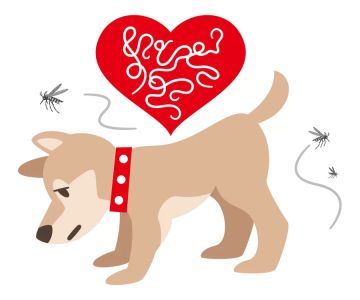
Heartworms are parasitic worms that live in the heart, lungs, and blood vessels of infected animals. They are transmitted when an infected mosquito bites a dog or cat, depositing heartworm larvae into the pet’s bloodstream. Over time, these larvae grow into adult heartworms, which can cause severe damage to the heart, lungs, and liver. Max had never shown any symptoms of heartworm disease, but as I learned more about it, I realized how important it was to take proactive measures to prevent it.

Why Heartworm Prevention is Essential
Heartworm disease can be devastating for pets, and it’s much easier and cheaper to prevent than to treat. I learned this firsthand when I discovered that treatment for heartworm disease is not only costly but also complicated and risky. The process typically involves using strong medications to kill the heartworms, which can be harmful to the pet’s body and may require extended recovery periods. In some cases, heartworm disease can cause permanent damage to the pet’s organs, or worse, be fatal. Fortunately, prevention is simple, effective, and safe, which is why I made it a priority for Max and Luna, my cat.
Max’s Near Miss with Heartworm Disease
Let me share a personal story to emphasize just how crucial heartworm prevention is. A few years ago, I adopted Max, who had never been on heartworm prevention before. He was a rescue dog, and I was unsure about his previous health care routine. After adopting him, I took him to the vet for a routine checkup, and the vet recommended a heartworm test. I was shocked to learn that Max had not been on heartworm prevention for some time, and the test came back negative, thankfully. However, the vet explained that heartworm disease can remain dormant for months or even years without showing any symptoms. This was a wake-up call for me, and I immediately started Max on monthly heartworm prevention medication. I realized how easily things could have gone in the other direction, and I’m grateful I took that preventive step in time.
How Heartworm Prevention Works
There are several methods of heartworm prevention for pets, and the right one for you will depend on your pet's specific needs and lifestyle. When I first started Max on heartworm prevention, I was surprised to learn just how many options were available. Here's a breakdown of the most common heartworm prevention methods:
1. Monthly Heartworm Preventative Medications
Monthly heartworm preventative medications are one of the most effective ways to protect your pets from heartworm disease. These medications, available in chewable tablets, topical treatments, or injections, contain an ingredient that kills the heartworm larvae before they can develop into adult worms. Max takes his monthly chewable tablet without issue, and I never miss a dose. Regular use of these medications ensures that Max stays protected throughout the year, even during mosquito season.
2. Injectable Heartworm Prevention
If you're not a fan of monthly pills, injectable heartworm prevention might be a good option for you. This injection is given by a vet and provides protection for up to 12 months. I considered this option for Max, but we ultimately decided that the monthly oral medication worked best for our routine. However, injectable prevention can be especially useful for pet owners who may have difficulty remembering monthly treatments.
3. Natural Heartworm Prevention
For pet owners like me who prefer a more natural approach, there are some herbal remedies and supplements that are believed to help prevent heartworms. While these natural treatments may offer some level of protection, I was cautious about relying solely on them for Max. Consulting with a vet about natural heartworm prevention is always a good idea to ensure that your pet is adequately protected. I personally prefer to stick with veterinarian-approved preventatives to be safe.
The Role of Mosquitoes in Heartworm Transmission
Understanding the role mosquitoes play in heartworm transmission is vital for effective prevention. I was shocked to learn that mosquitoes are the only way heartworms are transmitted to pets. Mosquitoes carry the larvae of heartworms, and when they bite a pet, they deposit the larvae into the pet’s bloodstream. During warm months, when mosquitoes are most active, the risk of heartworm transmission is higher. I make sure to keep Max and Luna indoors during peak mosquito hours, and when we’re outside, I apply mosquito repellent formulated specifically for pets.
Protecting Your Pet from Mosquitoes
Beyond giving Max his heartworm medication, I also took extra steps to reduce mosquito exposure. I created a mosquito-free zone in our backyard by using screens, citronella candles, and natural insect repellents. In addition, we avoided walking in areas where mosquitoes are more likely to gather, such as near standing water or during dusk and dawn when they are most active. These small changes have made a big difference in keeping heartworm risks low.
Heartworm Symptoms to Watch For
Although heartworm disease is preventable, it's important to recognize the signs and symptoms of infection in case your pet is ever exposed. I learned that early detection is key to effective treatment. Some of the most common symptoms of heartworm disease include:
- Coughing
- Fatigue or lethargy
- Difficulty breathing
- Weight loss
- Swollen abdomen (due to fluid buildup)
If your pet exhibits any of these symptoms, it’s crucial to get them to a vet immediately for testing and diagnosis. Max and Luna have both been symptom-free thanks to consistent prevention, but I always keep an eye out for any changes in their health.
Conclusion: The Best Defense Against Heartworms
In my experience, the best way to keep your pets safe from heartworm disease is through consistent and reliable prevention. Whether you choose monthly medications, injections, or other preventive measures, heartworm prevention should be a part of your pet’s regular health routine. I encourage all pet owners to talk to their vets about the best prevention strategy for their pets based on their lifestyle and risk factors. By staying proactive, we can ensure that our pets lead long, healthy lives free from the dangers of heartworm disease.