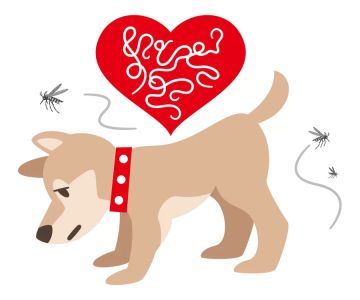
Understanding the Importance of Heartworm Prevention in Pets
When I first adopted my dog, I quickly learned how important it is to protect him from heartworms. Heartworm disease, caused by parasitic worms transmitted by mosquitoes, is a serious threat to pets, especially dogs. I remember the first time my veterinarian explained how this disease works, and it struck me how easily preventable it is. By understanding the best practices for managing heartworm prevention, we can ensure that our furry companions remain healthy and free from this dangerous condition.
In this article, I’ll discuss heartworm prevention in pets, focusing on effective strategies for both dogs and cats. Heartworms can affect any pet, and managing prevention is the key to keeping them safe. With my personal experience and expert advice, I’ll guide you through the best practices for keeping your pet protected from heartworm disease.

The Basics of Heartworm Disease
Heartworm disease is caused by parasitic worms that can grow up to a foot long and live in the heart, lungs, and blood vessels of infected pets. These worms are transmitted through the bite of a mosquito carrying the larvae. As a pet owner, it's important to understand that heartworms can be fatal if left untreated, and treatment can be costly and complex. While the disease is more common in certain regions, such as the southeastern United States, it’s a risk to pets nationwide.
What made me realize the gravity of the situation was hearing about the long-term health problems heartworms cause, like lung disease, heart failure, and organ damage. I knew then that prevention was essential to keeping my pets healthy.

Best Practices for Heartworm Prevention in Pets
After consulting with my veterinarian and researching heartworm prevention, I came up with several key practices to follow. These tips are simple, effective, and, most importantly, save pets from the risks associated with heartworm disease.
1. Year-Round Prevention
One of the most important aspects of managing heartworm prevention is consistency. Heartworms thrive in warm climates, and mosquitoes are present year-round in many parts of the country. This means that heartworm prevention needs to be a regular part of your pet’s healthcare routine, not just a seasonal concern.
After learning this, I made sure to give my dog his heartworm prevention medication consistently, no matter the season. Some owners mistakenly believe that heartworm prevention is only necessary in summer months when mosquitoes are most active. However, mosquitoes can survive through various conditions, which is why year-round prevention is recommended.
2. Choose the Right Heartworm Prevention Medication
There are several types of heartworm prevention medications available, and choosing the right one for your pet is crucial. These medications can be divided into oral medications, topical treatments, and injectables. Your veterinarian will help you determine the best option based on your pet's health, age, and lifestyle.
Here are a few options:
- Oral Medications: These are typically given monthly and are available in the form of chewable tablets or pills. Some of the most well-known brands include Heartgard Plus, Interceptor, and Trifexis. I personally use Heartgard for my dog, as it’s easy to administer and he loves the taste.
- Topical Treatments: These medications are applied directly to your pet’s skin, usually between the shoulder blades. Advantage Multi and Revolution are popular topical treatments for heartworm prevention.
- Injectable Medications: A less common option is the injectable medication that provides protection for up to six months. ProHeart 6 is a well-known brand, and many pet owners appreciate its long-lasting effects.
When I first started my dog on his monthly chewables, I noticed that the routine became a simple part of his overall care. The most important thing is to choose a medication that fits your pet’s lifestyle and makes it easy for you to stay consistent.
3. Regular Vet Check-ups
Regular vet visits are essential for monitoring your pet’s health and ensuring they are properly protected against heartworms. Even if you’re administering heartworm prevention medication, it’s important to have your pet tested for heartworms annually. This test, usually a simple blood test, can detect any early signs of heartworm infection.
I learned this lesson the hard way when a friend’s dog showed symptoms of heartworm disease despite being on prevention. While rare, heartworm infection can occur if a dose is missed or if the medication isn’t fully effective. By scheduling regular check-ups, you can catch any issues early and prevent long-term damage.
4. Keep Mosquitoes Away
Since heartworm larvae are transmitted through mosquito bites, it’s also a good idea to minimize your pet’s exposure to mosquitoes. This can be done by keeping your pets indoors during peak mosquito hours (dawn and dusk), using screens on windows, and avoiding places with stagnant water where mosquitoes breed.
In the summer months, I’ve made it a habit to keep my dog indoors during dusk and dawn, when mosquitoes are most active. Additionally, I use mosquito repellent for pets that’s safe for dogs, which helps create a barrier between the bugs and my pet.
5. Maintain a Healthy Lifestyle for Your Pet
Heartworm prevention isn’t just about medication—it’s also about ensuring your pet is in optimal health. Regular exercise, a balanced diet, and maintaining a healthy weight can help boost your pet’s immune system, making them more resistant to diseases like heartworms. This was something I made sure to pay attention to with my dog, as a healthy pet is better equipped to fight off potential infections.
Make sure your pet’s vaccination schedule is up to date, and take steps to manage stress, as a strong immune system helps prevent illness. I noticed that when I focused on my dog’s overall well-being, he was healthier and more energetic, which made it easier to stay on track with his heartworm prevention.
Signs of Heartworm Infection in Pets
Even with the best prevention, it’s important to be aware of the signs of heartworm infection, so you can act quickly if your pet shows symptoms. Common signs include:
- Persistent coughing
- Fatigue and lethargy
- Difficulty breathing
- Weight loss
- Decreased appetite
If you notice any of these symptoms, it’s crucial to get your pet to the veterinarian immediately for testing. Early detection is key to successful treatment, but prevention is always better than having to deal with heartworm disease.
With these best practices for managing heartworm prevention, I’ve been able to keep my pets safe and healthy, and I know you can too. Heartworm prevention doesn’t have to be complicated; with the right medication, regular vet check-ups, and simple lifestyle changes, you can ensure your pets are protected from this dangerous disease.