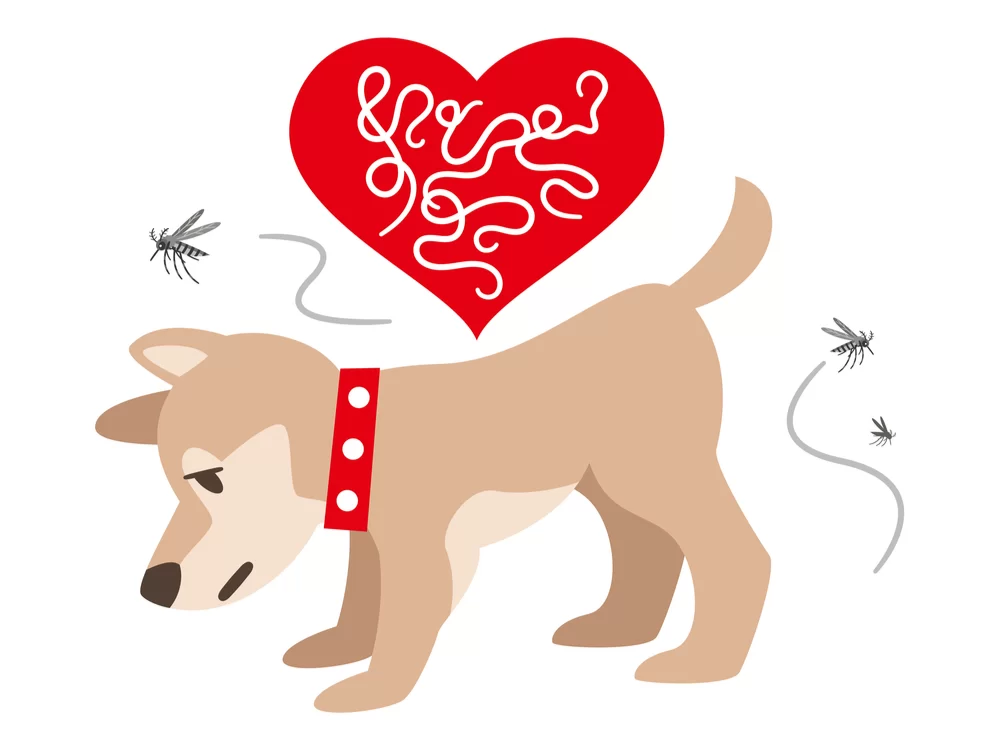
Understanding Heartworm Medication and Its Importance
Heartworm disease is a serious condition that affects both dogs and cats. Caused by parasitic worms transmitted through mosquito bites, heartworm disease can lead to severe health issues, including heart failure and lung damage. The good news is that heartworm disease is preventable with medication. However, like all medications, heartworm prevention drugs may sometimes cause side effects. Understanding these potential effects can help you make informed decisions about your pet's health and treatment options.

468 Cassat Ave, Jacksonville, FL 32254, USA
See DetailsHow Heartworm Medication Works
Heartworm medications are designed to kill or prevent the growth of heartworms in pets. For dogs, these medications typically come in the form of monthly chewables or topical treatments. Cats are usually given monthly pills or topical treatments, but the medication works slightly differently in felines due to their unique physiology.
These medications prevent the larvae of heartworms from developing into adult worms, which is critical in stopping the progression of the disease. They also kill the microfilariae (immature worms) circulating in the bloodstream. While heartworm prevention is highly effective in preventing disease, some pets may experience mild to severe side effects.
What Are the Potential Side Effects of Heartworm Medication?
Like any medication, heartworm preventives can cause side effects in some pets. Most side effects are mild and temporary, but in rare cases, they can be more severe. It’s essential to monitor your pet closely after starting heartworm medication and report any unusual symptoms to your veterinarian.
Common Side Effects
The majority of pets will not experience serious side effects from heartworm medication. However, some common side effects include:
- Gastrointestinal issues: Vomiting, diarrhea, or loss of appetite are the most common side effects. These are usually short-lived and resolve within a few days.
- Fatigue: Some pets may feel tired or lethargic for a short period after receiving the medication.
- Skin reactions: If using a topical heartworm treatment, pets may experience mild skin irritation, redness, or itching.
- Behavior changes: Some pets may become more anxious or agitated after receiving heartworm preventives.
Less Common Side Effects
While rare, there are more severe side effects that can occur. These may include:
- Allergic reactions: Some pets may have an allergic reaction to the medication, which can manifest as swelling of the face or legs, difficulty breathing, or hives.
- Neurological symptoms: In rare cases, pets may experience tremors, seizures, or other neurological signs. If you notice these symptoms, seek immediate veterinary attention.
- Liver or kidney issues: Long-term use of heartworm preventatives may, in rare instances, affect liver or kidney function. Regular check-ups can help detect any abnormalities early.
Are There Any Risks with Heartworm Treatment?
In addition to preventative medication, some pets may need treatment for heartworm disease if they are diagnosed with an active infection. This is a much more complicated process and can carry additional risks. For example, the drugs used to treat adult heartworms can cause a reaction as the worms die and break apart inside the pet’s body.
Risks of Heartworm Treatment
Heartworm treatment for pets involves injections that kill the adult worms, but the dead worms can cause blockages in the blood vessels or lungs. This can lead to severe complications, such as embolism or respiratory distress. As such, pets undergoing heartworm treatment must be monitored closely for any signs of distress, and physical activity must be restricted to allow for healing.
How to Minimize Side Effects
While side effects can occur, there are steps you can take to minimize the risks and ensure your pet's safety:
- Work with your veterinarian: Your vet will recommend the best heartworm preventive medication for your pet’s specific health needs. Make sure to follow the recommended dosage and administration guidelines.
- Monitor for side effects: Keep an eye on your pet’s behavior and health after starting heartworm prevention. If you notice anything unusual, contact your veterinarian immediately.
- Consider the pet’s age and health status: Older pets or those with pre-existing conditions may be more prone to side effects. Inform your veterinarian of any health concerns before starting medication.
- Regular check-ups: Regular veterinary visits are crucial for early detection of potential issues, especially if your pet is on long-term medication.
Real-Life Experiences: Pet Owners Share Their Stories
Many pet owners have shared their experiences with heartworm medication. For example, Bella, a 4-year-old Golden Retriever, experienced mild gastrointestinal discomfort after her first dose of heartworm medication. Her owner contacted the vet, who reassured them that this was a common reaction and suggested keeping Bella hydrated. After a few days, Bella was back to her usual, energetic self.
On the other hand, a cat named Whiskers developed a slight rash after receiving a topical heartworm preventive. The veterinarian advised switching to an oral medication, and Whiskers had no further issues. These stories are a reminder that while side effects can happen, they are often manageable with prompt attention and veterinary care.
How to Ensure Safe Heartworm Prevention for Your Pet
Ensuring the safety of your pet during heartworm prevention starts with choosing the right medication and adhering to a consistent schedule. It's essential to consult with your veterinarian to determine which product is most appropriate for your pet’s breed, size, and health status. In addition to medications, maintaining a clean and safe environment to minimize mosquito exposure is another important preventive measure.
Remember, heartworm disease is far more dangerous than the potential side effects of medication. With the right preventive care and close monitoring, you can help protect your pet from the severe consequences of heartworm disease.
If you have concerns about your pet's health or heartworm prevention options, consider visiting Hidden Brook Veterinary, where our team can guide you in choosing the safest and most effective treatments for your furry companion.