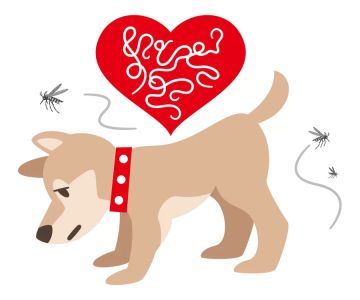
Understanding Heartworm Disease in Dogs
Heartworm disease in dogs is a serious condition caused by parasitic worms that live in the heart and lungs of infected dogs. These worms are transmitted through mosquito bites, which carry larvae that eventually mature into adult heartworms. If left untreated, heartworm disease can lead to severe complications, including heart failure, lung disease, and in some cases, death. While traditional treatment options are available through veterinarians, many pet owners are curious about how to treat heartworm in dogs at home. In this article, we will explore both traditional and home treatment options for managing heartworm in dogs.

The Importance of Early Detection
Before diving into treatment options, it's important to understand that early detection is key to successfully treating heartworm disease. Regular checkups with your veterinarian and routine blood tests are essential for identifying heartworm infections early. If you notice any signs of heartworm disease, such as coughing, fatigue, or difficulty breathing, it's crucial to seek veterinary care immediately. Early detection can prevent further complications and increase the likelihood of a successful treatment outcome.

Common Symptoms of Heartworm Disease
Some of the most common symptoms of heartworm disease in dogs include:
- Persistent coughing
- Shortness of breath or labored breathing
- Fatigue or lethargy
- Decreased exercise tolerance
- Swollen abdomen (in severe cases)
- Weight loss
If your dog shows any of these symptoms, consult your vet to confirm if heartworm disease is the cause.
Traditional Veterinary Treatment for Heartworm
Heartworm disease is most commonly treated with medications prescribed by a veterinarian. These medications are typically administered in stages to kill the adult worms and the microfilariae (baby worms) that circulate in the dog's bloodstream. The process can take several months and often requires strict monitoring. Although these medications are highly effective, they are also costly and can have side effects, which is why many pet owners are searching for alternative, home-based treatment options.
Why Home Treatment for Heartworm Might Not Be Enough
While there are a number of natural and home remedies that may help support a dog’s health during heartworm treatment, it’s important to note that these methods should not be used as a substitute for professional veterinary care. Heartworm disease is a serious condition, and without proper intervention, it can be fatal. Home treatments, such as herbal supplements or dietary changes, may provide some relief for mild cases, but they cannot effectively eliminate heartworms or prevent further damage to the dog's heart and lungs.
Natural Remedies and Home Support for Dogs with Heartworm
If your dog is diagnosed with heartworm, there are several natural remedies and supportive treatments you can consider to help improve their overall health and wellbeing during the treatment process. While these remedies should not replace veterinary care, they can be beneficial in managing symptoms and boosting the immune system.
1. Maintain a Healthy Diet
Feeding your dog a well-balanced, nutritious diet is one of the most important steps in supporting their immune system during heartworm treatment. A diet rich in antioxidants, omega-3 fatty acids, and anti-inflammatory nutrients can help boost your dog’s ability to fight off infections and recover from the disease. Consider incorporating fresh, whole foods like lean meats, fish, and vegetables into your dog’s diet, or look for high-quality dog food specifically formulated for heartworm recovery.
2. Increase Antioxidants and Supplements
Supplements such as vitamin C, vitamin E, and Coenzyme Q10 (CoQ10) can help strengthen your dog’s immune system and reduce inflammation. These supplements are believed to support heart health and improve circulation, which can be especially helpful when dealing with the effects of heartworm disease. Consult your veterinarian before adding any new supplements to your dog’s diet to ensure they are safe and effective.
3. Exercise Caution with Physical Activity
Excessive exercise can exacerbate the symptoms of heartworm disease and put additional strain on your dog’s heart. During treatment, it's important to limit your dog's physical activity to prevent further complications. Light, controlled walks and rest are recommended to help your dog stay comfortable without overexerting themselves. Always follow your vet’s guidelines on exercise during treatment.
4. Herbal Remedies for Heartworm Symptom Relief
Herbal remedies can help alleviate some of the discomfort associated with heartworm disease. Certain herbs, such as garlic, turmeric, and dandelion root, have natural anti-inflammatory properties and may help reduce swelling and inflammation. However, it's important to consult with a veterinarian who is knowledgeable about herbal medicine to ensure that these herbs are safe for your dog and won't interact with any prescribed medications.
Heartworm Prevention: A Crucial Step for Dog Owners
The best way to deal with heartworm is to prevent it from happening in the first place. Regular use of heartworm prevention medication is critical for protecting your dog against this potentially fatal disease. There are a variety of heartworm prevention options available, including monthly oral medications, topical treatments, and even injectable medications. Be sure to speak with your veterinarian about the best option for your dog based on their health, lifestyle, and environment.
Preventive Measures to Keep Your Dog Safe
In addition to using preventive medications, there are other steps you can take to minimize your dog's risk of heartworm infection:
- Keep your dog indoors during peak mosquito activity, especially at dusk and dawn.
- Eliminate standing water around your home to reduce mosquito breeding grounds.
- Use mosquito repellents that are safe for pets in areas where mosquitoes are prevalent.
- Regularly test your dog for heartworm, even if they are on preventive medication.
Stories of Hope: Real Life Experiences with Heartworm Treatment
Many pet owners have successfully managed heartworm disease in their dogs, either through traditional veterinary treatments or through a combination of conventional and home remedies. For example, Sarah, a dog owner from Texas, shares her experience of treating her dog, Bella, for heartworm. “I was devastated when I learned Bella had heartworm, but with the right veterinary treatment, a careful diet, and some natural supplements, she made a full recovery. Now, Bella is happier and healthier than ever, and I’m more committed to heartworm prevention than I ever was before.”
This story reflects the hope and success that can come with treating heartworm disease, provided that proper care and treatment are followed. Every dog’s journey is different, but with the right approach, heartworm disease can be managed and overcome.
Conclusion
While it is possible to treat heartworm in dogs at home using natural remedies and supporting treatments, professional veterinary care is essential for eliminating the infection and ensuring your dog’s long-term health. Always consult your veterinarian for the most effective and safe treatment options for your dog. Preventive care is the best way to protect your dog from heartworm disease and ensure they live a happy, healthy life for years to come.