Heartworm Protection for Multi-Pet Households: A Guide for Pet Owners
As a pet owner of a multi-pet household, ensuring the health and safety of each of my furry companions is a top priority. A few years ago, I was reminded of just how important heartworm prevention is when I noticed that one of my dogs, Bella, was showing signs of lethargy and loss of appetite. After a trip to the vet, I was shocked to find out that she had heartworms. As someone who already had other pets in the house, I was worried about the potential spread of this serious disease. Since then, I've made it my mission to ensure that all of my pets are protected, and I want to share with you everything I've learned about heartworm protection in multi-pet households. Whether you have two or ten pets, the right strategies can help protect them from this dangerous disease.
VCA Arboretum View Animal Hospital, 2551 Warrenville Rd, Downers Grove, IL 60515, USA
See Details1. What is Heartworm Disease?
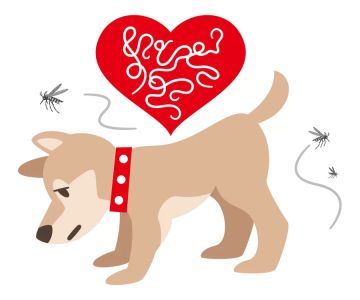
Heartworm disease is caused by a parasitic worm known as Dirofilaria immitis, which is transmitted through mosquito bites. Once the heartworm larvae enter a pet’s bloodstream, they grow into adult worms that reside in the heart, lungs, and blood vessels, causing severe damage. The disease can lead to long-term heart and lung damage and, in severe cases, even death. In my case, Bella had a mild case of heartworms, and after immediate treatment, she recovered fully. But it made me realize just how important heartworm prevention is for all my pets, especially in a multi-pet household.

1.1 How Does Heartworm Disease Spread?
Heartworms are primarily spread by mosquitoes. When a mosquito bites an infected animal, it picks up heartworm larvae. The mosquito then bites another animal, passing the larvae into their bloodstream. This means that if one of your pets becomes infected, there’s a potential risk for other pets in the same household, especially if they’re all outdoors together. In Bella’s case, she had been playing outside with my other dog, Max, and I worried that the mosquitoes may have bitten both of them. It’s important to keep in mind that heartworm disease is not contagious between pets directly, but mosquitoes can spread the disease from one infected pet to another.
2. Heartworm Prevention for Multi-Pet Households
Heartworm prevention is essential for all pets in a multi-pet household, especially if they spend time outside in areas where mosquitoes are prevalent. It’s critical to make sure that each pet is protected with consistent prevention measures, which is why I’ve set up a routine that works for all of my pets. Here are some of the most effective strategies I’ve learned:
2.1 Use of Monthly Heartworm Medications
One of the most common and effective ways to prevent heartworm disease is by using monthly heartworm preventatives. These medications come in both oral and topical forms, and they work by killing the heartworm larvae before they can grow into adult worms. I give my dogs heartworm preventative pills once a month, and I’ve found this to be a simple and reliable way to ensure they’re all protected. It’s essential to administer these medications regularly—missing even one dose can leave your pets vulnerable to infection.
2.2 Year-Round Prevention
Heartworm preventatives need to be administered year-round, regardless of the season. Even though mosquito activity tends to be higher in the warmer months, heartworm larvae can still be transmitted in cooler months. I’ve made it a habit to give my pets their heartworm medication at the same time each month, so I don’t forget. For those with multiple pets, setting a monthly reminder on your phone can help you stay on track. I even marked the date on my calendar so that all of my pets were treated together, making it easier to remember.
2.3 Heartworm Testing for All Pets
Another important aspect of managing heartworm disease in a multi-pet household is ensuring that all pets are tested regularly, even if they’re on preventative medication. I didn’t realize how crucial this step was until I had Bella tested after her symptoms appeared. It’s recommended that all pets, especially those over the age of six months, have a yearly heartworm test to detect the disease early. For pets that are already infected, early detection can make treatment much more effective. I make sure to take all of my pets for an annual heartworm test, as it’s a simple blood test that can save their lives.
3. Treatment Options for Heartworm Disease in Pets
Unfortunately, sometimes despite our best efforts, pets can still contract heartworm disease. If you notice any of the symptoms of heartworm disease, like coughing, fatigue, or a loss of appetite, it’s important to take your pet to the vet immediately. Early detection can prevent the disease from progressing to a more severe stage. When Bella was diagnosed with heartworms, her treatment involved a series of injections and strict activity restrictions to allow her body to heal. While the treatment process was tough, Bella made a full recovery, and I’m grateful for the support of my vet throughout the process.
3.1 The Treatment Process
Heartworm treatment typically involves several stages, starting with medications to kill the adult heartworms and larvae. Your vet may also prescribe antibiotics and steroids to help reduce inflammation and prevent complications. For most pets, the treatment process lasts about a few months, and it’s essential to follow your vet’s instructions closely. I kept Bella on complete rest during her treatment to avoid putting stress on her heart. It’s vital to avoid strenuous activity, as this can cause serious complications while the worms die off. Thankfully, Bella’s recovery was smooth, and she’s doing well today.
3.2 Managing Multiple Pets with Heartworm
If you have multiple pets and one of them is diagnosed with heartworm disease, it’s important to follow a careful management plan. You’ll need to keep the infected pet isolated from others for some time, as the vet may advise limiting their exercise to prevent complications. You’ll also want to ensure that the other pets in your home are tested and on preventative medications to prevent any further spread of the disease. It’s crucial to keep the infected pet comfortable and monitor their health closely during treatment.
4. How to Reduce Mosquito Exposure in Multi-Pet Households
Since mosquitoes are the primary carriers of heartworm larvae, reducing mosquito exposure for your pets is another key factor in heartworm prevention. I’ve taken several steps to make my home less attractive to mosquitoes. These steps include:
- Keeping windows and doors closed: When possible, I keep windows and doors closed, particularly at dawn and dusk, when mosquitoes are most active.
- Using mosquito screens: I’ve installed screens on all windows to keep mosquitoes out while still allowing fresh air to circulate.
- Using mosquito repellents: There are pet-safe mosquito repellents available that I use on Max and Bella during the warmer months. I also make sure that my yard is regularly treated for mosquitoes to reduce their population.
5. The Importance of Consistency in Heartworm Protection
Ultimately, keeping all of your pets protected from heartworm disease comes down to consistency. If you have multiple pets, managing their heartworm protection may require some extra effort, but it’s well worth it. I’ve found that setting up a routine for monthly heartworm prevention, regular testing, and minimizing mosquito exposure has been the most effective way to keep all of my pets safe. Whether you have one pet or several, the right heartworm prevention plan can help ensure that your pets stay healthy for years to come.