Understanding Advanced Heartworm Disease in Dogs
Heartworm disease in dogs is a serious and potentially life-threatening condition caused by parasitic worms that live in the heart, lungs, and blood vessels. These worms, which can grow up to a foot long, can cause severe damage to your dog's organs, especially when the disease is left untreated. Heartworm disease typically progresses in stages, and recognizing the signs of advanced heartworm disease is crucial for early intervention and treatment. In this article, we will explore the signs of advanced heartworm in dogs, the stages of the disease, and how you can prevent it from affecting your beloved pet.
What is Heartworm Disease?
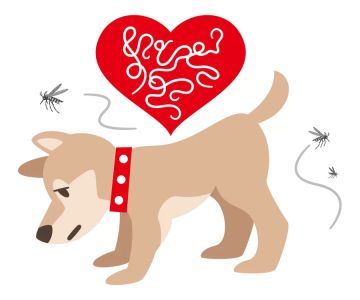
Heartworm disease is transmitted by mosquitoes. When a mosquito carrying heartworm larvae bites a dog, it deposits the larvae into the dog's bloodstream. Over time, these larvae mature into adult worms, causing damage to the heart, lungs, and other organs. As the worms grow, they begin to obstruct blood flow, leading to symptoms such as coughing, fatigue, and difficulty breathing. If left untreated, heartworm disease can be fatal.
In the early stages, heartworm disease may not show noticeable symptoms. However, as the disease progresses and the number of worms increases, the signs of advanced heartworm become more evident. These signs often indicate that the heartworms have caused significant damage to the dog's organs, especially the heart and lungs.

Signs of Advanced Heartworm in Dogs
When a dog has advanced heartworm disease, it means the worms have matured and are causing severe damage. The symptoms in this stage are much more pronounced and may include:
- Severe Coughing: One of the most common signs of advanced heartworm disease is a persistent, dry cough. This occurs because the heartworms are obstructing the blood flow and causing inflammation in the lungs. Dogs may cough more frequently, especially after exercise or when they are excited.
- Exercise Intolerance: Dogs suffering from advanced heartworm disease will often become lethargic and tire easily. Even a short walk can leave them exhausted, and they may struggle to keep up with their normal activity levels.
- Difficulty Breathing: As the disease progresses, the dog's lungs may become more affected by the worms, leading to labored breathing. This can include rapid or shallow breathing, wheezing, and an increased effort to breathe.
- Swollen Abdomen: In some cases, advanced heartworm disease can cause fluid to accumulate in the abdomen, leading to swelling. This is often a sign that the heart and liver are struggling to function properly due to the damage caused by the heartworms.
- Heart Failure: If left untreated, advanced heartworm disease can lead to heart failure. The dog may exhibit symptoms such as fainting, difficulty standing, and a very slow or irregular heartbeat.
- Weight Loss: Chronic heartworm disease can lead to significant weight loss in dogs. As the worms continue to damage the dog's organs and body, the dog may lose its appetite and become thinner over time.
Stages of Heartworm Disease
Heartworm disease progresses in stages, and the symptoms worsen as the disease advances. There are four stages of heartworm disease:
- Stage 1: This is the mildest stage, and dogs may not show any symptoms at all. However, heartworms are still present in the dog’s body and will continue to mature.
- Stage 2: At this stage, the dog may begin to show mild symptoms such as coughing or exercise intolerance. The disease is still manageable with appropriate treatment.
- Stage 3: Symptoms become more noticeable, and the dog may exhibit more severe coughing, difficulty breathing, and exercise intolerance. The heartworms are causing significant damage to the organs.
- Stage 4: This is the most severe stage, where heart failure and other organ damage can occur. The dog may experience a swollen abdomen, fainting, and rapid breathing. Without immediate medical intervention, the condition can be fatal.
Treatment for Advanced Heartworm Disease
Treating advanced heartworm disease requires professional veterinary care and a carefully planned treatment protocol. The treatment for advanced heartworm disease typically includes:
- Adulticide Treatment: In most cases, the veterinarian will administer a medication that kills adult heartworms. This treatment is typically given in multiple injections and requires close monitoring.
- Supportive Care: Because advanced heartworm disease can put a lot of strain on the heart and lungs, supportive care is often necessary. This can include medication to manage symptoms such as coughing and difficulty breathing.
- Heartworm Surgery: In some severe cases, surgery may be required to remove some of the heartworms from the dog’s heart and lungs.
Prevention of Heartworm Disease
The best way to protect your dog from heartworm disease is through prevention. Preventative medications are available in various forms, including pills, topical treatments, and injections. These medications are typically administered monthly and help prevent the larvae from developing into adult heartworms. Regular testing is also important to ensure that your dog remains heartworm-free.
In addition to using preventatives, it is essential to reduce the risk of exposure to mosquitoes. This can be achieved by keeping your dog indoors during peak mosquito activity, especially in warmer months. Using mosquito repellents that are safe for dogs can also help reduce the chances of your dog getting bitten.
A Real-Life Story: A Dog’s Struggle with Advanced Heartworm Disease
One of the saddest stories comes from a rescue organization that found a dog named Max, who had been living on the streets for months. Max was weak, coughing constantly, and had trouble walking. His owners had abandoned him, and he was severely malnourished. After taking Max to the vet, they discovered that Max had advanced heartworm disease. His condition was so severe that he required a series of treatments over the span of several months. Thankfully, with the proper care, Max recovered and was eventually adopted into a loving home. His story is a testament to the resilience of dogs and the importance of early detection and treatment.
If you suspect that your dog may have heartworm disease or is showing any of the symptoms listed above, it's important to contact your veterinarian immediately for a proper diagnosis and treatment plan. Early intervention can save your dog's life and prevent the disease from progressing to an advanced stage.