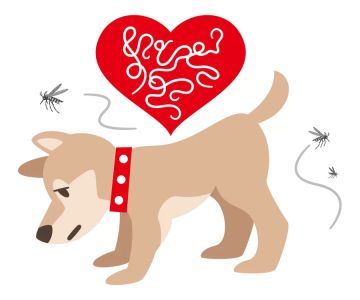
Understanding Heartworm Disease in Pets
Heartworm disease is a serious and potentially fatal condition that affects both dogs and cats, as well as other mammals. It is caused by parasitic worms that are transmitted through mosquito bites. These worms live in the heart and lungs, causing damage to vital organs over time. While heartworm disease is preventable with regular testing and medication, it can sometimes go unnoticed in pets until the damage becomes severe. In this article, we'll explore how often you should test your pets for heartworm disease and why it is crucial for their health.

Why Heartworm Testing is Vital for Pet Health
Heartworm disease doesn't just affect the heart; it can lead to severe lung damage, organ failure, and even death if left untreated. Unlike other diseases that may show obvious symptoms early on, heartworm disease can develop silently, making it difficult for pet owners to notice without proper testing. Regular heartworm testing is essential to ensure that your pet remains healthy and free from this dangerous parasite.
Heartworm disease in pets is particularly concerning because it can be difficult to detect in the early stages. Symptoms like coughing, lethargy, or difficulty breathing may not appear until the disease has progressed. The only way to be sure that your pet is free of heartworms is through regular testing, which can catch the disease before it becomes a life-threatening condition.

What Happens During a Heartworm Test?
During a heartworm test, your veterinarian will typically perform a blood test to check for the presence of heartworm larvae, or microfilariae, which are produced by adult heartworms living in your pet’s bloodstream. The test is quick and non-invasive, with results typically available within a short time. In most cases, heartworm tests are a routine part of an annual check-up, but your vet may recommend testing more frequently if your pet is at higher risk.
How Often Should You Test Your Pet for Heartworms?
The frequency of heartworm testing depends on several factors, including your pet’s age, risk of exposure, and whether they are currently on a heartworm prevention plan. Here’s a breakdown of testing recommendations:
1. Annual Testing for Pets on Preventive Medication
For most pets, an annual heartworm test is sufficient. This applies to pets that are on heartworm prevention medication and are generally healthy. Annual testing helps ensure that the medication is working effectively and that your pet has not been exposed to heartworms, even if they are on a prevention plan. Keep in mind that heartworm prevention is not 100% foolproof, so regular testing is still necessary.
2. More Frequent Testing for Pets Not on Preventive Medication
If your pet is not on a heartworm prevention medication, or if they missed a dose, more frequent testing may be necessary. Pets who are not on preventive medication are at a much higher risk of contracting heartworms. In these cases, veterinarians may recommend testing every 6 to 12 months, depending on your pet's lifestyle and exposure to mosquitoes.
3. Testing for Puppies and Young Pets
Puppies and young pets are especially vulnerable to heartworm disease if they are exposed to mosquitoes carrying the parasite. Puppies under 7 months of age are generally not tested for heartworms, as they typically do not have enough of the parasite in their system to be detectable. However, it’s essential to start them on heartworm prevention as early as possible to protect them from the disease. After the initial test, young pets should undergo annual testing to monitor their health.
Factors That Affect Heartworm Testing Frequency
Several factors influence how often your pet should be tested for heartworm disease. Some of the most important considerations include:
1. Geographic Location
Where you live plays a significant role in determining your pet's risk of heartworm exposure. In regions with high mosquito populations or a warm climate, pets are at an increased risk. Pets living in areas where heartworm is common should undergo more frequent testing. Always consult your vet about the prevalence of heartworm in your area.
2. Lifestyle and Activity Level
If your pet spends a lot of time outdoors, especially in areas with standing water or swampy environments, their exposure to mosquitoes increases. Pets that are frequently outdoors or travel to different areas should be tested more frequently. It's important to consider your pet’s lifestyle when deciding on the right testing schedule.
3. Health Status
Pets with compromised immune systems or those undergoing treatment for other health issues may be more susceptible to infections like heartworm disease. In these cases, more frequent testing may be necessary to ensure that the heartworms are detected early and treatment can begin promptly.
How Can You Prevent Heartworm Disease?
While testing is crucial for detecting heartworm disease early, prevention is key to keeping your pet safe. Heartworm prevention medications come in various forms, including monthly oral tablets, topical treatments, and even an injectable medication that provides protection for up to 12 months. It’s important to discuss heartworm prevention options with your veterinarian to find the best plan for your pet's needs.
Regular Heartworm Prevention and Testing
Even though prevention is crucial, it’s not foolproof, so regular testing is still necessary. A combination of consistent preventive care and annual testing will keep your pet protected from heartworm disease. Always follow your veterinarian’s recommendations regarding preventive care and testing schedules.
Recognizing the Symptoms of Heartworm Disease
In some cases, heartworm disease may not be detected through testing until your pet shows symptoms. Early signs include coughing, fatigue, weight loss, and difficulty breathing. If you notice any of these symptoms, it’s important to seek veterinary care immediately. Early treatment is crucial to preventing long-term damage.
Conclusion
Regular heartworm testing is an essential part of keeping your pet healthy. Whether your pet is on preventive medication or not, understanding the importance of heartworm testing can help protect your furry friend from this serious disease. By scheduling regular tests and keeping up with heartworm prevention, you can ensure that your pet lives a long, healthy life free from the dangers of heartworms.