How to Monitor Heartworm-Positive Dogs During Recovery: A Complete Guide
When I first learned that my dog, Luna, was diagnosed with heartworms, I was devastated. It was a shock, and I was overwhelmed with questions about her treatment and recovery process. Luna had been a happy, active dog, and the idea of her facing a serious condition like heartworm disease left me anxious and unsure of what to expect. However, after consulting with our vet and learning about the proper steps for monitoring heartworm-positive dogs during their recovery, I began to feel more empowered and confident in caring for her. In this article, I’ll share with you what I’ve learned about how to care for a heartworm-positive dog and what steps are crucial during their recovery period.
What is Heartworm Disease?
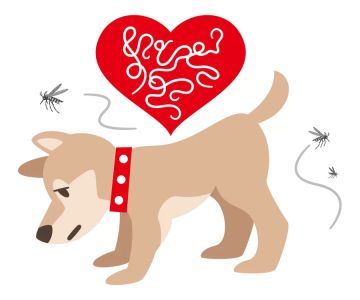
Before we dive into recovery, it’s essential to understand what heartworm disease is. Heartworms are parasitic worms that live in the heart, lungs, and blood vessels of affected animals, primarily transmitted by mosquitoes. If left untreated, heartworm disease can lead to severe complications, including heart failure, lung damage, and even death. Luna had tested positive for heartworms after we took her in for a routine check-up. The vet explained that heartworm disease develops over several months, so by the time symptoms appear, the disease is often advanced.
Thankfully, heartworm disease is treatable, but the recovery process requires careful monitoring. The treatment itself involves killing the heartworms through a series of injections, but there’s a delicate balance involved, as the worms die inside the body and can cause blockages or inflammation. This makes post-treatment care and monitoring crucial to ensure a successful recovery.
1. Post-Treatment Care and Activity Restrictions
One of the most important aspects of monitoring your dog during heartworm recovery is managing their activity. Luna’s treatment required a period of strict rest, which was one of the hardest parts for her. She’s always been full of energy, and asking her to stay calm was a challenge. Here’s what I learned about how to manage their activity during recovery:
1.1. Rest is Critical
After treatment, your dog will need to stay as calm as possible. Exercise and excitement can cause the dead heartworms to break loose, potentially blocking blood vessels and causing severe complications. For the first few weeks following treatment, Luna was restricted to minimal movement. No running, jumping, or playing was allowed. She had to stay on a leash for bathroom breaks, and we kept her inside as much as possible. This rest period can feel long and frustrating for both the dog and the owner, but it’s essential for a successful recovery.
1.2. Controlled Walks
As Luna recovered, we slowly introduced short, controlled walks. At first, they were just a few minutes long, with the goal of giving her a chance to stretch her legs without overexerting herself. Over time, her walks increased in length, but we continued to monitor her closely for signs of distress or exhaustion. Always consult with your vet about when it’s safe to resume walks and other activities.
2. Monitoring for Side Effects and Complications
During the recovery process, it’s crucial to monitor for any signs of side effects or complications. Luna’s treatment was challenging, but I learned to watch for specific signs that could indicate something was wrong. Here are some of the things I kept an eye out for:
2.1. Coughing and Breathing Issues
One of the most common side effects of heartworm treatment is coughing. As the heartworms die and break apart, they can cause inflammation in the lungs and airways, leading to coughing and difficulty breathing. Luna experienced some coughing during her recovery, but it gradually lessened over time. If the coughing becomes persistent or is accompanied by difficulty breathing, it’s important to contact your vet immediately. Severe coughing can indicate a blockage or another complication that needs attention.
2.2. Loss of Appetite or Vomiting
Another issue that can arise during heartworm treatment is a loss of appetite. Luna went through a few days where she wasn’t interested in her food, which can be a common response to the stress of treatment. However, if your dog refuses to eat for an extended period or begins vomiting, it may indicate a more serious issue, such as an adverse reaction to the treatment or complications in their recovery. We contacted our vet, who recommended small, easy-to-digest meals until Luna regained her appetite.
2.3. Lethargy and Fatigue
It’s normal for dogs to be a bit more tired than usual after treatment, but extreme lethargy can indicate complications. Luna was noticeably more tired during the recovery period, which was to be expected, but if your dog seems unusually weak or unable to get up, it’s essential to have them evaluated by a vet as soon as possible. Excessive fatigue could be a sign that the heartworms aren’t fully cleared or that there are other issues affecting their health.
3. Follow-Up Vet Visits and Tests
After the initial treatment, regular follow-up visits to the vet are crucial. Luna’s recovery wasn’t complete after her first set of treatments; we had multiple follow-up appointments to monitor her progress. These visits included blood tests to check for any remaining heartworms and ensure that the treatment was effective. The vet also checked for any signs of inflammation or complications in her heart and lungs.
3.1. Heartworm Antigen Test
One of the tests that I was particularly concerned about was the heartworm antigen test, which checks for the presence of heartworm proteins in the blood. Even after Luna’s treatment, we had to do this test to ensure that all the heartworms were gone. The test was done a few months after treatment, and thankfully, it came back negative, indicating that the heartworms were no longer present in her body. Your vet will recommend when it’s the right time to do this test, but it’s an important step in confirming your dog’s recovery.
3.2. Monitoring for Long-Term Effects
Even after the heartworms have been cleared, it’s important to continue monitoring your dog for any long-term effects of the disease or the treatment. Some dogs experience lasting damage to their heart or lungs, which can require additional care. Luna is doing well now, but we continue to keep a close eye on her heart health with regular check-ups.
4. Maintaining Prevention After Recovery
Once your dog has recovered from heartworm disease, it’s important to maintain a preventive regimen to avoid reinfection. I made sure to keep Luna on a monthly heartworm preventive medication to protect her from future infections. Regular vet visits and keeping her on the preventive medication schedule are key to ensuring she stays healthy and free from heartworm disease in the future.
Managing a heartworm-positive dog during recovery can be a stressful and emotional experience, but by following these steps and working closely with your vet, you can ensure your dog’s recovery is as smooth and successful as possible. Luna’s recovery was a journey, but seeing her happy and healthy again made all the effort worth it. If you’re caring for a heartworm-positive dog, remember to be patient and diligent, and don’t hesitate to reach out to your vet if you have any concerns.