Why Your Dog Chews Furniture and How to Stop It
- 1 - Why Do Dogs Chew Furniture?
- 2 - Common Causes of Chewing Behavior
- 3 - How to Stop Your Dog From Chewing Furniture
- 4 - Additional Tips to Prevent Chewing
- 5 - When to Seek Professional Help
1 - Why Do Dogs Chew Furniture?
As a dog owner, I’ve seen it firsthand—there's nothing more frustrating than walking into the living room only to find your dog has chewed up your favorite chair or the corners of your coffee table. But why do dogs chew furniture in the first place? It’s actually a common behavior, and there are several reasons why your dog may be engaging in this habit.
First off, chewing is a natural canine behavior. Dogs have a strong instinct to chew, which helps keep their teeth clean, relieve stress, and satisfy their need for stimulation. For puppies, chewing is part of the process of exploring their world. But when this chewing extends to furniture, shoes, and other household items, it can become a problem that needs to be addressed.
2 - Common Causes of Chewing Behavior
Understanding why your dog is chewing furniture is the first step in finding a solution. In my experience, several factors can contribute to this behavior. Here are some of the most common causes:

1. Boredom and Lack of Stimulation
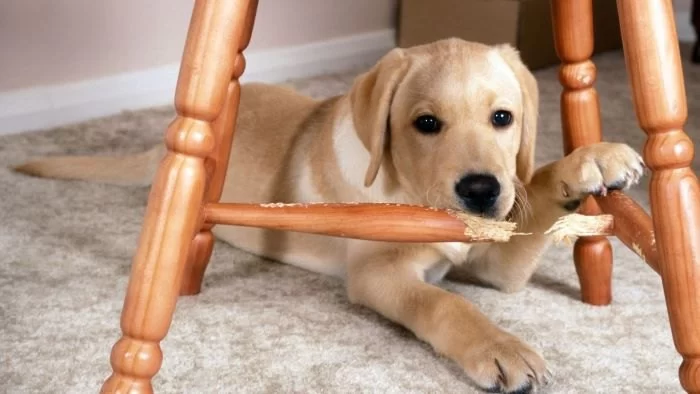
One of the main reasons dogs chew on furniture is boredom. If your dog doesn’t have enough physical and mental stimulation, they might turn to furniture and other household items as an outlet. I’ve noticed that my dog, when left alone for long periods, started chewing on the legs of chairs. As soon as I began increasing his walks and providing interactive toys, the behavior significantly decreased.

2. Teething in Puppies
Puppies, especially those going through their teething stage, tend to chew on anything they can find. Just like human babies, their gums are sore, and chewing helps alleviate some of the discomfort. When my puppy was teething, he chewed everything from furniture to shoes. Providing safe chew toys for puppies during this time is essential to prevent destructive behavior.
3. Anxiety or Stress
Another common cause of chewing is anxiety. Dogs that are stressed or anxious might chew to calm themselves down. Separation anxiety is a prime example of this. I once had a dog who would chew the corners of the couch when I left the house, which was a clear sign of anxiety. Addressing the root cause of stress is key to curbing this behavior.
4. Lack of Training
If a dog hasn’t been taught what’s acceptable to chew, they may start chewing furniture simply because they haven’t learned the difference. It’s essential to provide proper training and guidance, so your dog understands what is theirs to chew and what isn’t.
3 - How to Stop Your Dog From Chewing Furniture
Now that we understand why dogs chew furniture, let’s explore how to stop this behavior. I’ve learned over the years that patience, consistency, and the right approach are key to changing your dog’s chewing habits. Here are some effective strategies that have worked for me:
1. Provide Plenty of Chew Toys
The first step in stopping your dog from chewing furniture is to give them plenty of alternatives. Invest in high-quality chew toys that are both safe and engaging. I’ve found that my dog, who once chewed on furniture, now prefers his rubber chew toys or a rawhide bone. This keeps him occupied and satisfied.
2. Use Deterrent Sprays
There are special sprays designed to deter dogs from chewing on furniture. These sprays usually have a bitter taste that dogs find unpleasant. I’ve personally used a spray like this, and it worked wonders for my dog. Spraying it on furniture or other household items your dog chews can help curb the behavior.
3. Increase Exercise and Mental Stimulation
Dogs need physical and mental stimulation to stay happy and healthy. I’ve found that increasing the amount of exercise my dog gets, along with providing puzzle toys and games, helps alleviate boredom and reduces chewing. A tired dog is less likely to engage in destructive behavior. Long walks, interactive games, and trips to the dog park are great ways to keep your dog busy and happy.
4. Training and Positive Reinforcement
Training your dog to understand what is acceptable to chew is essential. Whenever I caught my dog chewing on the furniture, I would immediately redirect him to his toys and reward him with praise when he chewed them instead. Consistent training and positive reinforcement are crucial in breaking the chewing habit.
4 - Additional Tips to Prevent Chewing
While the strategies above are effective in curbing destructive chewing, there are additional tips that can help prevent this behavior from becoming a habit:
1. Create a Chew-Free Zone
For dogs who are particularly persistent, setting up a designated space can help. I’ve found that keeping my dog in a specific room with his chew toys and bedding while we’re out of the house prevents him from accessing furniture. This creates a safe space where he can be entertained without the temptation of furniture.
2. Provide Interactive Toys
Interactive toys that dispense treats or challenge your dog’s problem-solving abilities are great for keeping them engaged. I’ve noticed that toys that make my dog think, such as puzzle feeders, keep him distracted and satisfy his chewing needs in a healthy way.
3. Address Underlying Anxiety
If your dog’s chewing is caused by anxiety, addressing the root cause is important. For example, I worked with a trainer to help my dog with separation anxiety, and over time, he became much more relaxed when left alone, which reduced his destructive chewing. Anxiety relief products like calming collars or pheromone diffusers can also be helpful in managing stress-induced chewing.
5 - When to Seek Professional Help
If your dog’s chewing behavior persists despite your efforts to address it, it might be time to seek professional help. A veterinarian or professional dog trainer can provide a more tailored approach to managing chewing and can help rule out any underlying medical conditions that might be contributing to the behavior.
For example, if your dog’s chewing is sudden and excessive, it could indicate a dental issue or anxiety disorder that needs to be addressed by a professional. In these cases, consulting a vet or trainer can provide the guidance you need to solve the problem effectively.
If you’re looking for expert advice or products to help with your dog’s chewing behavior, visit Hidden Brook Veterinary for the best recommendations and solutions that suit your needs!