How to Spot and Treat Ear Mites in Pets
If you’re a pet owner, you know how important it is to keep your furry friends happy and healthy. One common issue that pets, especially dogs and cats, can face is ear mites. These tiny parasites can cause discomfort, infections, and other health problems if not addressed quickly. As someone who’s had multiple pets over the years, I’ve encountered ear mites more than once, and in this article, I’ll share everything I’ve learned about spotting and treating ear mites in pets. Whether you’re dealing with the issue now or just want to be prepared, this guide will provide you with all the info you need to help your pet feel better again.

What Are Ear Mites?
Ear mites are microscopic parasites that primarily affect a pet’s ears, causing irritation and itching. They are commonly found in cats and dogs, especially those that spend time outdoors. The mites thrive in warm, dark environments—like a pet’s ear canal. Though ear mites are relatively harmless to humans, they can cause significant discomfort to your pet and may lead to secondary infections if left untreated. The good news is, once you know how to spot the signs, ear mites are easy to treat and prevent.

How Ear Mites Spread
Ear mites are highly contagious among animals, which is why they’re common in multi-pet households or in places where animals interact, such as shelters or kennels. Pets can get ear mites from close contact with an infected animal, such as grooming or sharing bedding. I’ve experienced this firsthand, as my dog once caught ear mites from a neighbor’s cat, and it was a frustrating situation for both of us. But by identifying the problem early, we were able to treat it quickly.
How to Spot Ear Mites in Pets
Knowing the signs and symptoms of ear mites in pets is the first step in helping them feel better. I’ve found that recognizing the symptoms early can save a lot of discomfort for your pet and can make the treatment process much easier. Here are the main signs to look out for:
1. Excessive Scratching and Head Shaking
If your pet is constantly scratching their ears or shaking their head, this could be a sign of ear mites. The itching can be severe, and I’ve noticed that pets with ear mites will often try to relieve the discomfort by shaking their heads repeatedly. This behavior is especially noticeable when your pet is trying to reach the source of the irritation deep in their ears.
2. Dark, Crusty, or Foul-Smelling Ear Discharge
One of the most obvious symptoms of ear mites is dark, coffee-ground-like debris in your pet’s ears. This discharge is a result of the mites’ activity, and it’s usually accompanied by a strong, unpleasant odor. I’ve had pets with ear mite infestations that produced an incredibly foul smell from their ears, which immediately alerted me to the problem.
3. Redness or Inflammation in the Ear
Inflammation and redness inside the ear canal can also indicate ear mites. When I’ve treated pets with ear mites, I’ve noticed that their ear canals become swollen and irritated. If left untreated, the condition can lead to secondary infections and more severe health issues.
4. Your Pet May Become More Irritable
Because ear mites can be so uncomfortable, affected pets often become more irritable or anxious. If your normally calm pet starts showing signs of distress, it could be due to the irritation caused by the ear mites. I’ve seen this with my cat, who became much more aggressive when she was dealing with the itching caused by the mites.
Treating Ear Mites in Pets
Once you’ve identified the signs of ear mites in your pet, it’s important to act fast. Fortunately, ear mites are treatable with a variety of methods. When my pets have had ear mites, I’ve always found that prompt treatment not only helps them feel better quickly but also prevents the mites from causing long-term damage to their ears.
1. Over-the-Counter Medications
There are several over-the-counter treatments that are effective at killing ear mites. These treatments usually come in the form of ear drops or ointments that can be applied directly to your pet’s ear canal. I’ve used products like Zymox Otic for my dog in the past, which worked wonders in clearing up his ear mites. These medications contain ingredients that target the mites and soothe the irritation.
2. Prescription Medications
If the over-the-counter treatments aren’t effective or if the infestation is severe, your veterinarian may recommend prescription medications. Topical medications, such as selamectin (Revolution) or ivermectin, are commonly used to treat ear mites. These treatments can be applied to your pet’s ears or given as oral medications. I’ve found that a visit to the vet is sometimes necessary, especially when the ear mites are stubborn or have led to an infection.
3. Cleaning Your Pet’s Ears
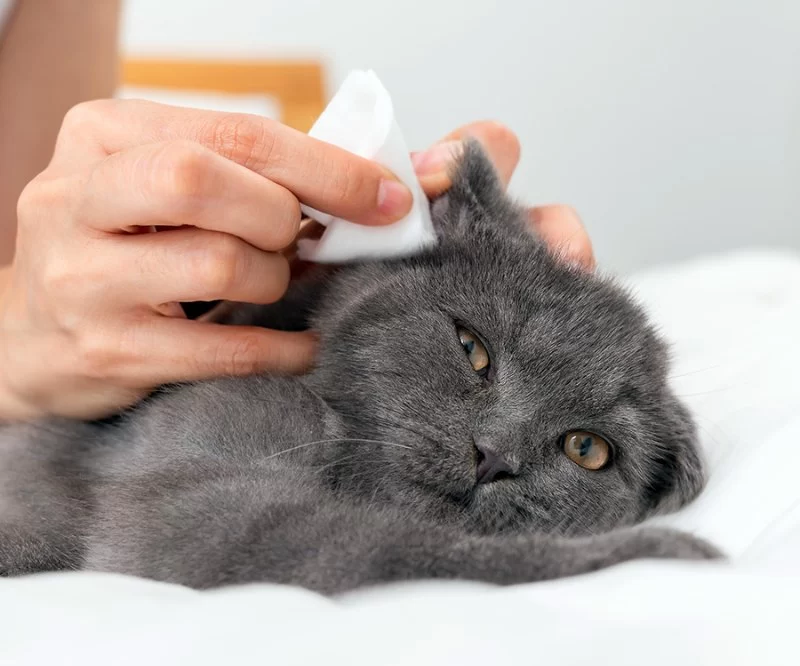
Regular cleaning of your pet’s ears is important during treatment. Using an ear cleaner designed for pets can help remove debris and excess wax from the ear canal, allowing the medication to work more effectively. I always make sure to clean my pets’ ears gently with a soft cloth or cotton ball to prevent further irritation. It’s a good idea to check your pet’s ears regularly to ensure they stay clean and healthy.
4. Treating the Environment
Since ear mites are highly contagious, it’s essential to treat the environment as well. Wash your pet’s bedding, toys, and any other items they use regularly. I’ve found that thoroughly cleaning their sleeping area and washing their favorite blankets and toys helps prevent reinfestation. You should also keep your other pets away from the infected animal until they are treated to avoid spreading the mites.
When to See a Veterinarian
While many cases of ear mites can be treated at home, there are times when you should seek professional help. If you notice that your pet’s symptoms persist after treatment or if their ear seems to be severely infected, it’s important to consult with your veterinarian. I’ve always found that a vet visit is a good idea when the ear mites have caused significant swelling or discharge, as the infection may need professional attention to prevent further damage to the ear.
Explore More at Hidden Brook Veterinary
If you suspect that your pet has ear mites or any other health concerns, I recommend visiting Hidden Brook Veterinary for the best care and advice. They offer a wide range of services to help ensure your pet stays healthy and happy, including treatments for ear infections and mite infestations. Their experienced staff can provide the right guidance for treating your pet’s symptoms and preventing future issues.
By identifying and treating ear mites early, you can help your pet recover quickly and prevent more serious problems. Keep an eye out for the signs mentioned, and don't hesitate to take action when needed. Your pet's health and comfort are worth the effort!