Feeding Senior Dogs: What You Need to Know
As a dog owner, there comes a time when you’ll notice that your loyal companion is starting to slow down. Just like humans, dogs go through the aging process, and their nutritional needs change over time. When I first noticed my dog slowing down, I realized I had to adjust his diet to meet his new needs. In this article, I’ll walk you through the best ways to feed senior dogs, so you can ensure they live a long, happy, and healthy life.

The Importance of Proper Nutrition for Senior Dogs
When it comes to senior dogs, their metabolism slows down, and they don’t need as many calories as they did in their younger years. However, their nutritional needs don’t diminish. In fact, older dogs often require more specialized food to support their joints, maintain a healthy weight, and boost their immune systems. From my experience, I’ve found that providing the right food at the right time is crucial to keeping my dog comfortable and healthy as he ages.
Understanding the Nutritional Needs of Senior Dogs
Before making any changes to your dog’s diet, it’s important to understand what a senior dog’s body needs in terms of nutrition. Senior dogs, like people, often experience a decline in energy, muscle mass, and metabolism. This means their food needs to be adjusted to support these changes.
1. Lower Calories, Higher Fiber
As dogs get older, they tend to become less active, which means they need fewer calories. However, they still need a well-balanced diet to maintain muscle mass and a healthy weight. To help manage this, senior dog food often contains more fiber and fewer calories to keep them full and prevent overeating. I’ve found that food with higher fiber helps regulate digestion, which can become an issue as dogs age.
2. Joint Health and Mobility
One of the most common health concerns for senior dogs is joint problems. As dogs age, they’re more likely to develop arthritis or other joint-related issues. I noticed my dog was having trouble getting up the stairs and walking long distances, so I switched to a dog food that contained glucosamine and chondroitin, which support joint health. These ingredients help protect the cartilage in your dog’s joints and can alleviate pain and stiffness. If your dog is showing signs of joint discomfort, it’s essential to choose food that supports mobility.
3. Lean Protein for Muscle Maintenance
As dogs age, they lose muscle mass, which can lead to weakness. I’ve made sure to choose a senior dog food that contains high-quality, lean protein, such as chicken or fish, to help maintain muscle strength. Protein is also crucial for supporting healthy organs, especially the heart and kidneys, which can sometimes become more vulnerable in older dogs.
Choosing the Right Food for Your Senior Dog
Once you understand your dog’s nutritional needs, the next step is to find the right food. I’ve spent a lot of time researching and testing various foods, and I want to share my findings with you to help you choose the best food for your senior dog. There are different types of food, including dry kibble, wet food, and even homemade options. Let’s take a closer look at each option.
1. Dry Kibble for Convenience
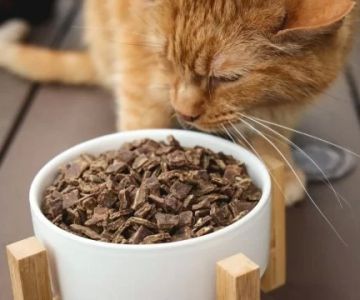
Dry kibble is one of the most common and convenient types of food for dogs, and it’s easy to store. However, when choosing kibble for a senior dog, I always look for one that’s specially formulated for older dogs. These formulas tend to be lower in fat and calories, but higher in fiber and protein. Some brands even add ingredients that support joint health and digestion, which is essential for older dogs. From my experience, high-quality kibble can help keep my dog’s teeth clean while providing him with all the necessary nutrients.
2. Wet Food for Added Moisture
Wet food is another option that’s often recommended for senior dogs, especially those who have dental issues or struggle to chew dry kibble. Wet food is easy to digest and provides extra hydration, which can be helpful for dogs who are less inclined to drink water. I’ve found that some dogs simply prefer the taste of wet food, making mealtime more enjoyable. Wet food is typically higher in fat, so if your senior dog is less active, be mindful of portions.
3. Homemade Dog Food for a Personal Touch
For those who prefer to control exactly what their dog is eating, homemade dog food is an option worth considering. This way, you can ensure that your senior dog is getting the freshest ingredients and avoiding any preservatives or fillers. However, homemade dog food can be tricky, and it’s important to consult with your vet or a pet nutritionist to ensure the meal is nutritionally balanced. I’ve experimented with homemade dog food, and while it requires more time and effort, I love knowing exactly what’s going into my dog’s meals.
Treats and Supplements for Senior Dogs
Feeding your senior dog is more than just about meals—it’s also about providing the right treats and supplements. I’ve learned that the right treats can help with training, as well as provide additional nutrients that my dog may need. Additionally, supplements like fish oil, joint support, and probiotics can play a significant role in your senior dog’s health.
1. Joint Supplements
As I mentioned earlier, joint problems are common in senior dogs. I give my dog a daily supplement that contains glucosamine and chondroitin. These ingredients support joint health and help reduce inflammation. They’ve made a noticeable difference in my dog’s ability to move around with ease, and I highly recommend them to other pet owners with senior dogs.
2. Fish Oil for Healthy Skin and Coat
Fish oil is another supplement I’ve found beneficial for my senior dog. Rich in omega-3 fatty acids, fish oil promotes healthy skin and coat, which can often become dry or dull in older dogs. It also has anti-inflammatory properties, which can help with joint pain. I’ve noticed that my dog’s coat looks shinier and healthier since I started adding fish oil to his diet.
3. Treats with Health Benefits
Choosing healthy treats is just as important as selecting the right food. I opt for treats that are low in calories but high in protein and fiber. There are also treats designed to promote dental health or assist with digestion, which is crucial for older dogs. I’ve found that treats with added vitamins, like vitamin E or probiotics, support overall health and are a great way to reward my dog without compromising his well-being.
Where to Find the Best Products for Your Senior Dog
For high-quality dog food, treats, and supplements, I recommend checking out Hidden Brook Veterinary. They offer a wide range of products specifically designed for senior dogs, and their knowledgeable team can guide you toward the best options for your pet’s needs. Whether you're looking for specialized dog food or health supplements, their selection is top-notch and backed by professional recommendations.
Taking care of a senior dog is a rewarding experience, and feeding them the right food is one of the most important aspects of maintaining their health. By choosing the right food and supplements, you can help your dog live a happy, healthy life well into their golden years. Remember to consult with your vet before making any major changes to your dog’s diet, and enjoy the precious moments you have together!