- 1. Understanding Dog Allergies and Their Causes
- 2. Choosing the Right Dog Food for Allergies
- 3. Types of Allergy-Friendly Dog Food
- 4. Homemade Dog Food for Allergy Relief
- 5. Recognizing the Signs of Food Allergies in Dogs
- 6. Working with Your Vet for Better Allergy Management
1. Understanding Dog Allergies and Their Causes
As a dog owner, you may have experienced the challenge of caring for a dog with allergies. Like us, dogs can suffer from various allergies, ranging from environmental factors like pollen and dust mites to food-related issues. Over the years, I've learned that food allergies in dogs can be particularly tricky because they are often not immediately obvious, requiring careful observation and sometimes a bit of trial and error to diagnose.
Most dogs develop food allergies between the ages of one and three, although it can happen at any age. These allergies are typically caused by an immune system reaction to certain proteins in their food. Common allergens include beef, chicken, dairy, soy, and wheat. As a responsible pet owner, I’ve always found that understanding the root cause of my dog's allergies is the first step in finding an effective solution. It can often be tricky to pinpoint the exact ingredient responsible for the allergic reaction, so a careful approach to diet and food choices is essential.

2. Choosing the Right Dog Food for Allergies
When it comes to feeding a dog with allergies, choosing the right food is crucial. Over the years, I’ve learned that there are a few key guidelines to follow when selecting dog food that will not trigger an allergic reaction:

7038 FL-54, New Port Richey, FL 34653, USA
See Details1. Look for Limited Ingredient Diets
One of the most helpful things I've discovered is limited ingredient diets (LID) designed specifically for dogs with food allergies. These diets contain fewer ingredients, making it easier to identify and avoid potential allergens. Many LID formulas focus on a single protein source, such as lamb or turkey, and a limited number of carbohydrate sources like sweet potatoes or peas. This is a great way to minimize the chances of exposing your dog to ingredients that may cause an allergic reaction.
2. Grain-Free Options
If your dog has a sensitivity to grains such as wheat, corn, or soy, a grain-free diet may be an excellent choice. Many grain-free dog foods use alternative carbohydrates like sweet potatoes, chickpeas, and lentils. However, it’s important to note that not all dogs benefit from grain-free diets, so it’s crucial to monitor your dog’s reaction and consult with your vet before making this switch.
3. High-Quality Protein Sources
Protein is an essential part of any dog’s diet, but it’s especially important when your dog has allergies. Over the years, I’ve found that selecting dog foods that feature high-quality protein sources—such as duck, venison, or turkey—can often help reduce allergic reactions. These proteins are less likely to cause issues compared to more common allergens like beef or chicken.
3. Types of Allergy-Friendly Dog Food
There are several types of allergy-friendly dog food available in the market today. From hypoallergenic to prescription diets, it’s important to choose the option that works best for your dog’s specific needs. Here are some of the most popular types I’ve come across:
1. Hypoallergenic Dog Food
Hypoallergenic dog food is formulated specifically for dogs with sensitivities and allergies. These foods are often made with novel protein sources (such as duck or rabbit) and easily digestible carbohydrates (like rice or potatoes). They also exclude common allergens such as wheat, soy, and dairy. I’ve found that hypoallergenic dog foods can work wonders for dogs with mild to moderate allergies, helping to reduce symptoms like itching and digestive upset.
2. Prescription Diets
In some cases, your vet may recommend a prescription diet designed to manage your dog’s allergies. These diets are carefully formulated to eliminate common allergens and provide balanced nutrition. Prescription foods, such as Hill’s Prescription Diet z/d or Royal Canin’s Hydrolyzed Protein diet, can help dogs with more severe allergies. After consulting with my vet, I found that a prescription diet was the best solution for managing my dog’s allergy symptoms effectively.
3. Raw or Home-Cooked Diets
Some dog owners, myself included, choose to prepare home-cooked meals or raw diets for their dogs. This allows for total control over what goes into the food and ensures that no harmful ingredients are included. While raw feeding is a more involved process and requires careful attention to ensure balanced nutrition, many dogs with allergies thrive on home-prepared meals. Always work with a veterinarian or pet nutritionist when preparing homemade meals to ensure your dog’s diet remains nutritionally complete.
4. Homemade Dog Food for Allergy Relief
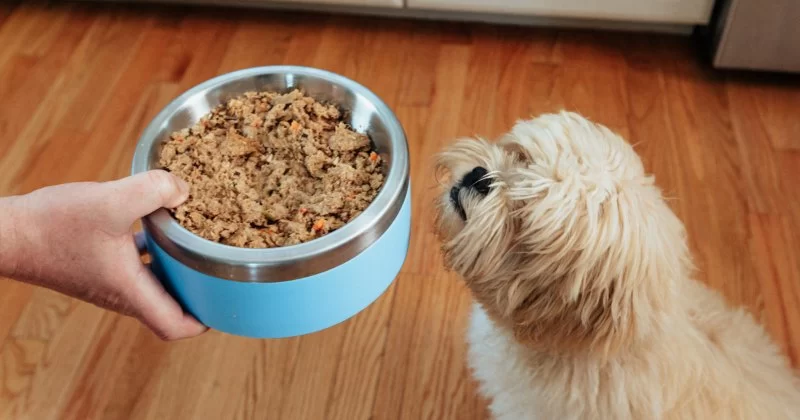
As someone who prefers the homemade approach, I’ve had a lot of success in preparing food for my dog with allergies. Homemade dog food allows me to eliminate any harmful ingredients that might cause a reaction and tailor the meals to my dog’s specific needs. If you’re considering preparing homemade food for your dog, here are a few tips I’ve picked up:
1. Consult a Vet or Pet Nutritionist
Before starting a homemade diet, it’s important to consult with a professional to ensure your dog’s meals are balanced. A veterinarian or pet nutritionist can guide you on the right proportions of protein, carbohydrates, fats, and vitamins for your dog’s health. I always consult my vet to make sure I’m providing the right nutrients to support my dog’s overall health and allergy management.
2. Focus on Easily Digestible Ingredients
When preparing homemade food for dogs with allergies, I focus on using simple, easily digestible ingredients. My dog does well with lean proteins like turkey, chicken, or lamb, along with vegetables like carrots and sweet potatoes. These ingredients are unlikely to cause an allergic reaction and are gentle on the digestive system.
3. Eliminate Common Allergens
Eliminating common allergens, such as wheat, corn, soy, and dairy, is crucial when preparing food for an allergy-sensitive dog. I make sure to avoid these ingredients entirely and stick to basic, wholesome foods that I know are safe for my dog.
5. Recognizing the Signs of Food Allergies in Dogs
Recognizing the signs of food allergies in your dog is key to addressing the problem early on. I’ve learned that the symptoms of food allergies can be subtle, but they often include:
1. Itchy Skin
One of the most common signs of a food allergy is itching. If your dog is scratching more than usual or seems to be constantly licking certain areas of their body, it might be a sign of an allergic reaction to their food. My dog developed patches of dry, irritated skin whenever he consumed certain proteins, which was a clear sign we needed to make changes to his diet.
2. Digestive Issues
Another sign of food allergies can be gastrointestinal upset. Symptoms such as vomiting, diarrhea, and flatulence are common in dogs with food sensitivities. If your dog is experiencing these symptoms after eating, it’s important to evaluate their food and eliminate potential allergens.
3. Ear Infections
Frequent ear infections can also be linked to food allergies. The constant inflammation in a dog’s ears can sometimes be triggered by a food allergen. My dog, for example, had recurrent ear infections that cleared up once we switched to an allergy-friendly diet.
6. Working with Your Vet for Better Allergy Management
Throughout my journey, I’ve learned that working with a veterinarian is essential when managing my dog’s allergies. A vet can help you diagnose food sensitivities, recommend the best dietary changes, and monitor your dog’s progress over time. Regular check-ups ensure that your dog stays healthy and that the allergic reactions are under control.
Allergies in dogs can be a challenge, but with the right knowledge and approach, they’re manageable. If your dog is struggling with food allergies, I encourage you to explore these options and consult your vet for guidance. Taking the time to find the best diet for your dog will not only help alleviate allergy symptoms but also improve their quality of life.