- 1. What Are Hot Spots on Dogs?
- 2. Common Causes of Hot Spots in Dogs
- 3. How to Treat Hot Spots on Dogs
- 4. Preventing Hot Spots on Dogs
- 5. When to See a Veterinarian for Hot Spots
- 6. Real-Life Story: Hot Spot Recovery
1. What Are Hot Spots on Dogs?
If you've ever noticed your dog constantly licking or scratching one spot, you might be dealing with a hot spot. Hot spots, or acute moist dermatitis, are painful, inflamed areas of the skin that can quickly worsen if not treated. I’ve encountered hot spots on my own dogs a few times, and I’ve learned firsthand how irritating and distressing these skin infections can be, both for the dog and the owner.
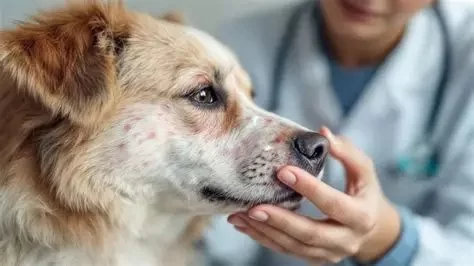
Hot spots typically appear suddenly and are often red, swollen, and covered with discharge. They can be very painful for your dog and, if left untreated, can grow larger or even become infected. They’re most common in areas where the dog’s skin is moist, such as behind the ears, under the armpits, or around the neck.

2. Common Causes of Hot Spots in Dogs
Hot spots can develop for a variety of reasons, often linked to skin irritation, allergies, or external factors like fleas. Understanding what causes these hot spots is essential for preventing future occurrences. Here are some of the most common causes of hot spots in dogs:

1. Fleas and Ticks
Fleas are one of the most common culprits behind hot spots. When a dog is bitten by a flea, it can cause intense itching. If your dog scratches or licks the bite site too much, it can lead to hot spots. I’ve noticed that dogs with flea infestations are particularly prone to developing hot spots, especially in the warmer months.
2. Allergies
Just like humans, dogs can suffer from allergies. Whether it’s food allergies, environmental allergies like pollen or dust mites, or even contact allergies from certain fabrics, these can all trigger itching and irritation. When your dog scratches at the itchy areas, they can develop hot spots. My dog, Max, developed a few hot spots after eating a new brand of food that he was allergic to. Once we figured out the cause and adjusted his diet, the hot spots cleared up.
3. Poor Grooming and Hygiene
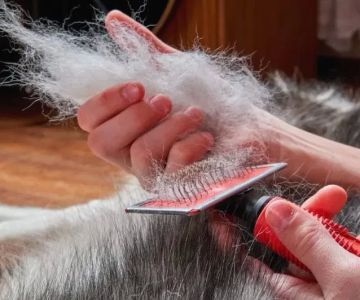
Dogs that don’t receive regular grooming can be more susceptible to hot spots, especially long-haired breeds. Matting and tangled fur can trap moisture against the skin, which can lead to irritation and infection. Dogs with thick coats, such as golden retrievers and German shepherds, are more prone to this. I make it a point to brush my dog’s fur regularly to prevent mats and tangles, which helps reduce the risk of hot spots.
4. Excessive Moisture
Moisture can play a significant role in the development of hot spots. Dogs who swim frequently or live in humid climates may be more susceptible, especially if they aren’t properly dried afterward. It’s important to dry your dog thoroughly after a swim or a bath to prevent any moisture from lingering on their skin.
5. Infections and Skin Conditions
Sometimes, hot spots are a result of other skin conditions, such as fungal or bacterial infections. If your dog’s immune system is weakened or if they’ve had a previous skin issue, they may be more prone to developing hot spots. Regular checkups can help spot any underlying issues before they worsen.
3. How to Treat Hot Spots on Dogs
When I first noticed a hot spot on my dog, I wasn’t sure how to deal with it. It looked painful, and I knew I had to act quickly to prevent it from getting worse. Treating hot spots involves both addressing the immediate infection and making sure the area heals properly. Here’s what I’ve learned about how to treat hot spots on dogs:
1. Clean the Affected Area
The first step is to clean the area gently with a mild antiseptic solution or warm water. Be sure to remove any dirt, debris, or discharge around the hot spot. I use a soft cloth or gauze to wipe the area clean, ensuring it’s as dry as possible afterward. Keeping the spot clean is essential to prevent further infection.
2. Trim the Fur Around the Hot Spot
Trimming the fur around the hot spot helps the area stay dry and clean, allowing the treatment to work more effectively. Use scissors or clippers to carefully trim the fur around the infected area. Just be cautious not to cut too close to the skin or cause any additional irritation.
3. Apply a Topical Treatment
After cleaning and trimming the area, apply an appropriate topical treatment. You can use over-the-counter sprays or ointments designed to treat hot spots. I’ve used antiseptic sprays and hydrocortisone creams that help reduce inflammation and itching. If you’re unsure about what product to use, it’s best to consult with a veterinarian.
4. Prevent Your Dog from Licking the Area
Dogs often lick their hot spots, which can make them worse. To prevent this, you may need to use an Elizabethan collar (or "cone") to stop your dog from reaching the area. It may be uncomfortable for your dog at first, but it’s important to keep them from licking or biting the spot to allow it to heal properly.
5. Monitor the Healing Process
Over the next few days, keep a close eye on the hot spot to ensure it’s healing. If the area becomes more swollen, red, or painful, or if your dog continues to lick or scratch the spot, it may be time to visit the vet for a more aggressive treatment, such as oral antibiotics.
4. Preventing Hot Spots on Dogs
Prevention is always better than treatment, and there are several steps you can take to reduce the risk of your dog developing hot spots. I’ve found that maintaining a healthy, proactive routine can make a big difference in keeping my dogs free from skin issues:
1. Regular Grooming
As mentioned earlier, regular grooming is key to preventing hot spots. Brushing your dog’s coat regularly helps prevent tangles and mats, while also promoting good circulation and skin health. Bathing your dog with a gentle shampoo designed for their coat type can also help keep their skin clean and healthy.
2. Keep Your Dog Dry
After swimming or bathing, make sure to thoroughly dry your dog’s fur and skin. Moisture that lingers in the coat can cause irritation and lead to hot spots. I always towel dry my dogs and use a blow dryer on a cool setting to ensure their fur is completely dry.
3. Treat Fleas and Ticks Regularly
Fleas are a major cause of hot spots, so it’s important to use flea prevention products regularly. Whether you use topical treatments, flea collars, or oral medications, make sure you’re staying on top of your flea control routine.
4. Check for Allergies
If you notice that your dog is scratching or licking excessively, it might be due to allergies. Regular vet visits can help identify potential allergens in your dog’s environment or diet. You can work with your vet to create an allergy management plan to keep your dog comfortable and free from skin irritations.
5. When to See a Veterinarian for Hot Spots
While mild hot spots can often be treated at home, more severe cases or recurring hot spots may require professional attention. If your dog’s hot spot doesn’t improve with at-home treatment, or if it becomes more inflamed, it’s time to visit the vet. A veterinarian can provide prescription medications, such as antibiotics or anti-inflammatory treatments, to help your dog heal faster and more effectively.
6. Real-Life Story: Hot Spot Recovery
One of my dogs, Bella, developed a hot spot behind her ear after a long summer hike. She was constantly scratching at it, and it quickly turned into a raw, inflamed spot. I took her to the vet, and they prescribed an antibiotic ointment. With proper care, including keeping her from licking the area, Bella’s hot spot healed within a week. The experience taught me the importance of early intervention and regular grooming to prevent hot spots from becoming a serious issue.