The Best Ways to Protect Your Pet’s Paws in Winter
- 1 - Why Winter Paw Care Is Essential for Your Pet
- 2 - Common Winter Hazards for Pet Paws
- 3 - How to Protect Your Pet’s Paws from Winter Elements
- 4 - Top Products for Paw Protection in Winter
- 5 - Signs of Paw Damage and How to Respond
1 - Why Winter Paw Care Is Essential for Your Pet
As winter rolls in, it’s not just us who need to prepare for the cold—our pets do too! For pet owners, one of the often-overlooked aspects of winter care is ensuring that our furry friends' paws are protected. Winter conditions can be harsh on pet paws, and it’s crucial to take steps to shield them from the elements. I’ve learned firsthand how important this is for my own pets, especially when the temperature drops and the snow starts to accumulate. It’s not just about comfort; paw damage can lead to painful injuries, infections, and long-term health issues.
2 - Common Winter Hazards for Pet Paws
Winter brings along several hazards that can damage your pet's paws. These include:
- Salt and Chemicals: While we rely on salt and de-icers to keep our roads and sidewalks clear, these chemicals can be toxic to pets. If your dog walks through salted roads and licks their paws, they could ingest harmful substances that irritate their stomach and digestive system.
- Ice and Snow: Ice can cause paw injuries, while snow and ice buildup between toes can lead to frostbite, irritation, and even cuts or abrasions. The cold temperature can also cause discomfort and stiffness.
- Cold Ground: The freezing cold surfaces can lead to paw pads becoming cracked, dry, or chapped, which causes discomfort and sometimes bleeding.
These hazards are more than just an inconvenience; they can cause real harm to your pet’s paws. Therefore, understanding and preventing these dangers should be a priority during the winter months.
3 - How to Protect Your Pet’s Paws from Winter Elements
Now that we know the potential risks to your pet's paws, here are some effective ways to keep them safe and healthy this winter:
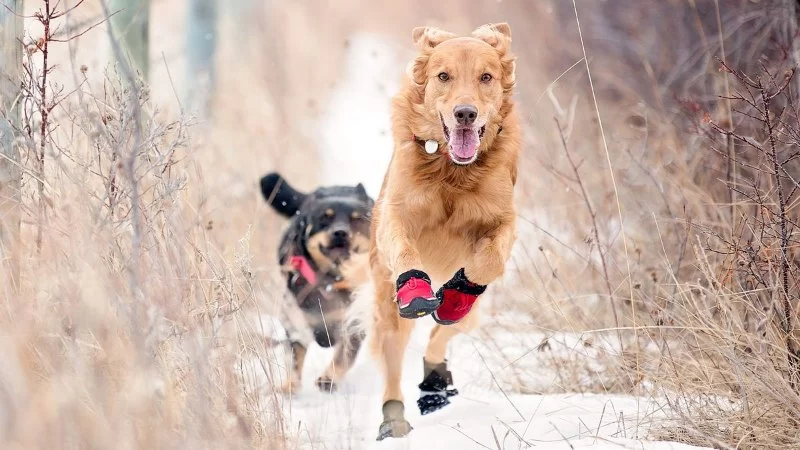
- Use Dog Booties: One of the most reliable ways to protect your pet's paws from the harsh winter elements is by using dog booties. These boots not only protect paws from salt and ice but also provide insulation against cold surfaces. At first, your dog may be reluctant to wear them, but with some patience, they can get used to the idea and benefit from the extra warmth and protection.
- Wash Paws After Walks: After every walk, make sure to wash your pet’s paws thoroughly with warm water to remove any salt, chemicals, or ice. This will prevent them from licking their paws and ingesting harmful substances. Dry the paws completely, especially between the toes, to avoid moisture buildup that could cause irritation or infection.
- Apply Paw Balm: If you’re concerned about your pet’s paws becoming cracked or dry, a good paw balm can do wonders. Many pet-specific balms contain natural ingredients like beeswax and shea butter that protect and moisturize paw pads, keeping them soft and hydrated.
- Limit Time Outside: While it's essential for pets to get regular exercise, during extreme cold or snowy conditions, it's wise to limit their time outside. Shorter walks and quick bathroom breaks are better than prolonged exposure to freezing temperatures.
By following these tips, you can help ensure that your pet’s paws remain safe and comfortable during the winter months.
4 - Top Products for Paw Protection in Winter
Several products can make winter paw protection easier. After trying a few different options for my pets, I found these products to be the most effective:
- Booties: Products like Ruffwear’s Polar Trex or Kurgo Step-N-Strobe are highly rated by pet owners and veterinarians alike for their durability, comfort, and fit. They help protect paws from snow, salt, and sharp ice, while also providing traction on slippery surfaces.
- Paw Balm: A popular option is Pet Head’s “Paw Gel”, which is easy to apply and helps to keep paw pads soft and hydrated throughout the winter. It’s made with natural ingredients and is gentle on your pet’s paws.
- Boot Spray: Consider using a protective spray, such as Musher’s Secret Paw Protection Wax, which forms a barrier against harsh conditions. It’s ideal for pets that aren’t comfortable with wearing boots but still need paw protection.
These products not only provide physical protection for your pet’s paws but also give you peace of mind knowing your pet is safe from the winter’s harsh elements.
5 - Signs of Paw Damage and How to Respond
Despite our best efforts, pets can still experience paw damage. Here are a few signs to look out for, along with what to do if you notice any issues:
- Cracked or Bleeding Paws: If you notice your pet’s paws are cracked or bleeding, this could be a sign of frostbite or excessive dryness. Clean the area and apply a soothing balm or consult your vet for further treatment.
- Excessive Licking: If your pet is constantly licking their paws, it could indicate irritation or discomfort. Check for any foreign substances like ice balls or salt between their toes.
- Reluctance to Walk: If your pet is avoiding walks or seems hesitant to walk on cold surfaces, their paws may be hurting. Take them to the vet for a proper assessment.
If you notice any of these signs, it’s important to respond quickly to prevent further damage and ensure your pet’s paws heal properly. Your vet may recommend a treatment plan to address any issues and help your pet recover.
To find more products and services to keep your pet healthy and safe this winter, visit Hidden Brook Veterinary for expert recommendations!