The Best Ways to Help Pets With Anxiety During Separation
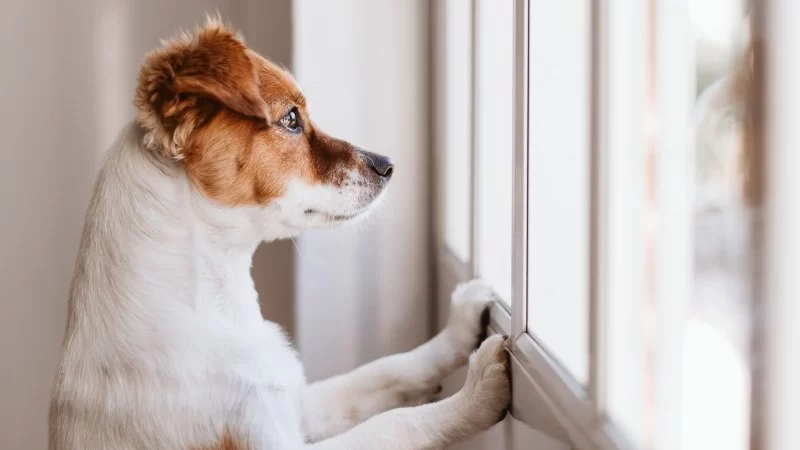
As a pet parent, one of the hardest things to deal with is seeing your furry friend suffer from anxiety when you leave the house. Separation anxiety in pets is a real concern and can cause a lot of stress for both pets and their owners. Over the years, I’ve learned a few strategies that have helped my pets cope with my absence, and I’m here to share them with you. In this article, I’ll dive into some effective ways to ease separation anxiety for pets, helping them feel more relaxed and safe when you're not around.

1. Create a Calm and Safe Space
One of the best ways to help pets with separation anxiety is to create a calm and safe environment when you leave. I’ve found that having a designated space for my pet—whether it’s a crate, a cozy bed, or a specific room—makes a world of difference. This space should be somewhere that feels secure and familiar. My dog, Max, for example, loves his crate because it's his safe spot. It’s a place where he knows he can relax, and it has his favorite toys and a soft blanket to snuggle with.
When setting up a safe space, it’s also helpful to keep the environment calm with soothing sounds. Some pet owners use a white noise machine or calming music designed for pets. I’ve noticed that these sounds help Max remain calm when I’m not home. There are even playlists and apps now that offer pet-friendly tunes specifically designed to reduce anxiety.
2. Gradual Desensitization to Your Absence
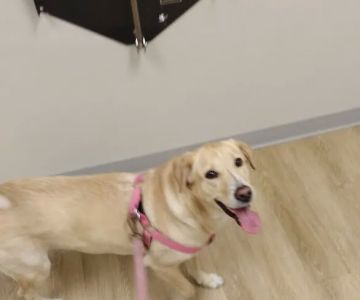
Gradual desensitization has been a game-changer for us. The idea is to slowly get your pet used to being alone for longer periods over time. When I first noticed Max’s separation anxiety, I started leaving him for short periods—just a few minutes—while I went to the store or took a walk around the block. At first, I’d notice him getting anxious as soon as I picked up my keys, but by gradually extending the time I was gone, he began to get more comfortable with being left alone.
It’s important to start small and increase the duration over time. This helps your pet understand that you always come back, and it reduces the fear that you're gone for good. As Max got used to these short separations, I started leaving him alone for longer periods, eventually helping him become more confident and less anxious.
3. Interactive Toys and Puzzle Feeders
Keeping your pet mentally engaged while you’re gone can do wonders for their anxiety. Interactive toys and puzzle feeders are a fantastic way to keep them distracted and entertained. I’ve seen a noticeable improvement in Max’s behavior after introducing these types of toys. When I leave, I make sure he has a puzzle feeder with his favorite treat or kibble inside. It keeps him focused on solving the puzzle instead of worrying about my absence.
There are many toys on the market that encourage problem-solving, which can help reduce feelings of boredom and anxiety. These toys keep your pet’s mind occupied and give them a sense of purpose while you’re away. Plus, they can help tire your pet out, which often leads to a calmer, more relaxed demeanor by the time you return.
4. Consider Using Calming Products
Over the years, I’ve found that using calming products like pheromone diffusers or sprays can help ease anxiety for some pets. Products like the Adaptil Diffuser have synthetic pheromones that mimic the calming scents that mother dogs produce to soothe their puppies. I use this product in combination with Max’s safe space, and it seems to help create a relaxing environment for him.
Another calming product I’ve used is the ThunderShirt. It works by applying gentle pressure around your pet’s torso, which can have a calming effect. Max isn’t a huge fan of wearing clothes, but I’ve seen pets that respond well to the ThunderShirt, and it can be particularly effective during stressful situations, such as being left alone.
5. Hire a Pet Sitter or Use Doggie Daycare
Sometimes, the best solution is to not leave your pet alone at all. If Max’s anxiety was ever too much for me to handle, I’d hire a trusted pet sitter or use a doggie daycare service. Having a person or other animals around during the day can help alleviate feelings of isolation and reduce anxiety. I found that Max really enjoyed spending time with other dogs at daycare, and it was a great way for him to socialize and burn off energy.
If you’re looking for a trusted pet sitter, I recommend using a service like Rover, where you can find experienced and reliable individuals who will care for your pet in your absence. If your pet has severe separation anxiety, these services can make a world of difference by providing the companionship and care they need to feel safe and secure.
6. Regular Exercise and Mental Stimulation
Ensuring your pet gets regular physical and mental exercise is essential for reducing anxiety. A tired pet is a happy pet, and I’ve noticed that Max is much calmer when he gets enough exercise. Regular walks, playtime, and even agility training can help release pent-up energy and keep your pet's mind engaged.
For pets like Max, who need a bit more mental stimulation, I’ve incorporated puzzle games and training sessions into our routine. Mental exercise helps tire out your pet just as much as physical activity, and it can be incredibly effective in reducing anxiety. A tired pet is less likely to get anxious when left alone, so making sure they get the right amount of physical and mental stimulation is key.