- 1. Why Feeding Pets During Hot Weather Is Important
- 2. How Heat Affects Pet Health
- 3. Feeding Pets in Hot Weather: Best Practices
- 4. Hydration is Key: How to Keep Your Pet Hydrated
- 5. Choosing the Right Food for Pets in Hot Weather
- 6. Common Mistakes to Avoid When Feeding Pets in Hot Weather
- 7. Explore Pet Care Products at Hidden Brook Veterinary
1. Why Feeding Pets During Hot Weather Is Important
Summer is an exciting time for both pets and their owners, but the heat can pose some challenges when it comes to keeping your furry friends healthy. Just like humans, pets can become more susceptible to dehydration and heat stress during the summer months. Proper nutrition and hydration are vital during this time to help keep pets feeling their best. While it’s tempting to relax during the summer, it’s important to remain vigilant about your pet’s needs, especially when it comes to food and water.
Feeding your pet properly during hot weather can help boost their energy levels, maintain a healthy weight, and support their overall well-being. In addition, pets that are well-fed and hydrated are less likely to suffer from heat-related illnesses like heatstroke. In this article, I’ll walk you through some of the best practices for feeding pets during hot weather, along with tips for keeping them hydrated and comfortable throughout the summer.

2. How Heat Affects Pet Health
Heat can affect pets in various ways, making them more vulnerable to certain health problems. Pets are more likely to suffer from heat stress and dehydration during high temperatures, especially if they are not adequately fed and hydrated. Let’s explore how heat affects your pet’s health:

2.1 Dehydration and Its Consequences
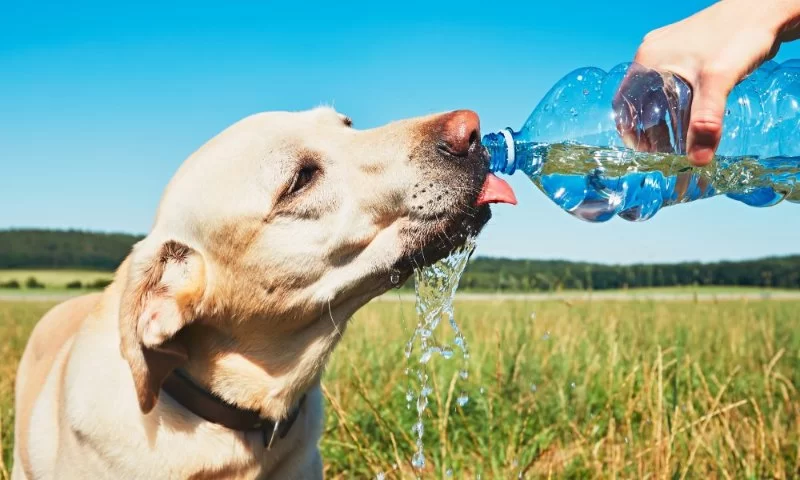
Dehydration is one of the most common issues pets face in hot weather. Dogs and cats may not always drink enough water on their own, especially when they are active or playing outside. Dehydration can lead to symptoms like dry gums, lethargy, and even more severe complications like organ failure if left untreated. That’s why it’s crucial to make sure your pet has access to fresh water at all times, especially during summer heat waves.
2.2 Heatstroke in Pets
Heatstroke is another serious concern during hot weather. Pets, especially those with short noses (like Bulldogs and Pugs) or thick coats, are more prone to heatstroke. Heatstroke occurs when a pet’s body overheats and cannot cool down effectively. Signs of heatstroke include excessive panting, drooling, vomiting, and even collapse. In severe cases, heatstroke can be fatal, making it essential to keep an eye on your pet’s behavior in hot weather.
3. Feeding Pets in Hot Weather: Best Practices
When it comes to feeding pets during hot weather, there are a few essential guidelines that can help ensure they stay healthy and comfortable. Here are some tips to keep in mind:
3.1 Offer Smaller, More Frequent Meals
During the heat, your pet may have less of an appetite, especially if they’re feeling lethargic due to the temperature. To make feeding easier, try offering smaller portions of food more frequently throughout the day. This allows your pet to digest food more easily and helps prevent them from becoming overwhelmed by a large meal. It's also a great way to make sure they’re getting the nutrients they need without overloading their system during the heat.
3.2 Adjust the Diet According to Activity Levels
If your pet is less active during the summer, you may want to adjust their diet accordingly. Overfeeding can lead to weight gain, especially if your pet isn’t burning off the calories. If you’re concerned about your pet gaining weight, consult your veterinarian to ensure you're providing the right amount of food for their current activity level.
3.3 Keep Food Fresh and Cool
In hot weather, food can spoil quickly. To prevent food from going bad, store it in a cool place and keep it covered. If your pet prefers wet food, try refrigerating it and serving it cold to help them stay cool. Just be sure to discard any uneaten food after a few hours to avoid bacteria growth.
4. Hydration is Key: How to Keep Your Pet Hydrated
Hydration is critical during hot weather, as pets lose fluids more quickly when the temperature rises. Here are some tips for ensuring your pet stays hydrated throughout the summer:
4.1 Provide Fresh Water Regularly
Make sure your pet always has access to clean, fresh water. If you’re heading out for a walk or hike, carry a portable water bowl with you to offer them water during breaks. For cats, consider adding a pet water fountain, as many cats prefer running water over still water.
4.2 Add Water to Their Food
If your pet isn't drinking enough water, adding a bit of water or low-sodium broth to their food can encourage them to hydrate. This is especially helpful for pets that eat dry food. Adding moisture to their diet can help keep them hydrated and make mealtime more enticing.
4.3 Ice Cubes and Frozen Treats
Pets love frozen treats! You can freeze water or low-sodium broth into ice cubes or create DIY frozen pet treats by blending fruits and veggies with water and freezing them. These icy treats can be a fun and refreshing way to help your pet stay hydrated on a hot day.
5. Choosing the Right Food for Pets in Hot Weather
The food you provide during hot weather can have a big impact on your pet’s health and comfort. In hot weather, pets may benefit from foods that are easy to digest and high in moisture. Here are some tips for choosing the best food:
5.1 Wet Food vs. Dry Food
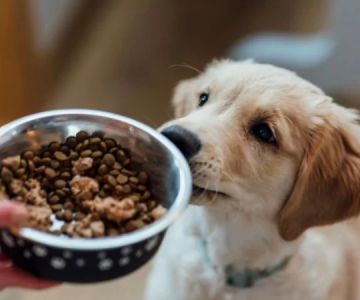
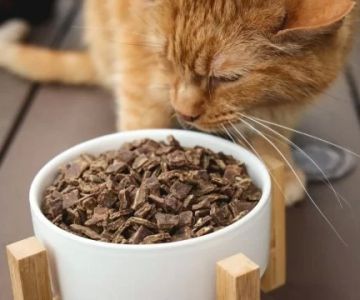
While dry food is convenient, wet food can offer additional moisture to help keep your pet hydrated. Wet food is also easier on your pet’s stomach if they’re feeling sluggish in the heat. If you stick with dry food, consider adding water or broth to make it easier to consume in the heat.
5.2 Focus on Nutrient-Dense Foods
In hot weather, your pet may not feel like eating as much. To ensure they're still getting the necessary nutrients, choose nutrient-dense foods that provide maximum nutrition with smaller portions. High-quality kibble with natural ingredients can ensure your pet gets the vitamins and minerals they need to stay healthy.
6. Common Mistakes to Avoid When Feeding Pets in Hot Weather
When feeding pets in hot weather, there are a few common mistakes you’ll want to avoid to ensure their health and well-being:
6.1 Overfeeding
Overfeeding your pet in hot weather can lead to weight gain and make them feel sluggish. Instead, opt for smaller meals throughout the day and monitor your pet’s weight to ensure they’re not overeating.
6.2 Not Enough Water
Water is just as important as food, and it's easy for pets to become dehydrated without access to enough fresh water. Make sure your pet has access to water at all times, and encourage them to drink regularly, especially during hot days.
6.3 Feeding Spoiled Food
Food can spoil quickly in the heat, and feeding your pet spoiled food can lead to digestive upset. Always make sure food is fresh and stored properly to avoid any health issues.
7. Explore Pet Care Products at Hidden Brook Veterinary
At Hidden Brook Veterinary, we offer a variety of pet care products designed to help your pets stay healthy and comfortable, especially during the warmer months. From nutritious pet food to hydration solutions, our products are specially chosen to cater to your pet’s needs. Visit us for all the essentials you need to keep your furry friends in top condition during hot weather.