Why Some Dogs Lick Constantly and How to Address It
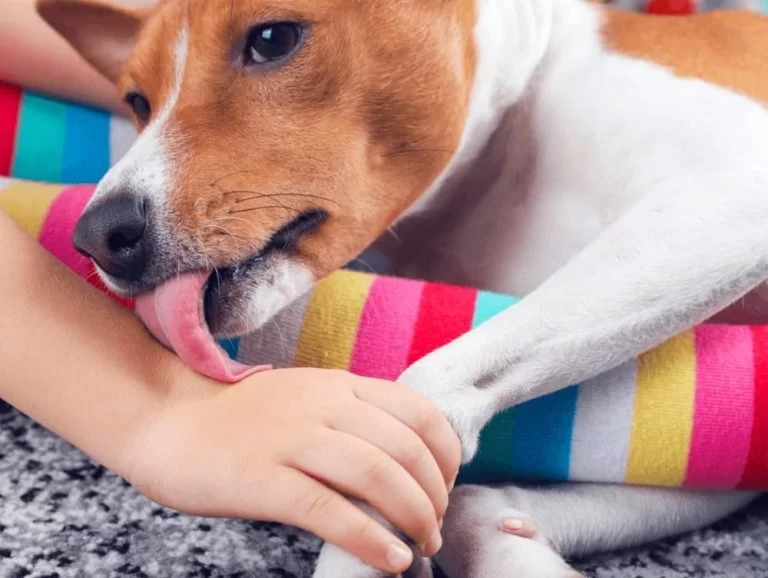
Dogs are known for their affection, and many of them express this love through licking. However, constant licking that goes beyond normal affection can be a sign of underlying issues. Whether it's licking their paws, their body, or even objects around them, excessive licking can be a source of concern for pet owners. In this article, we will explore why some dogs lick constantly and provide effective solutions to address this behavior.

1. Understanding the Causes of Constant Licking
Licking is a natural behavior for dogs, and it can serve many purposes. However, when it becomes excessive, it may indicate an underlying issue that needs attention. Let's dive into the common causes of constant licking in dogs.

1.1. Boredom and Anxiety
Just like humans, dogs can experience boredom and anxiety, which can lead to repetitive behaviors such as licking. When a dog is left alone for long periods or lacks mental and physical stimulation, licking may become a coping mechanism to relieve stress. This is especially common in dogs that are anxious or fearful, such as those with separation anxiety.
One such case is of a dog named Max, a Border Collie, who started licking his paws excessively after being left alone for longer periods during his owner’s workday. His owner introduced puzzle toys and scheduled daily walks, which significantly reduced his licking behavior. This example highlights the importance of addressing boredom and anxiety through engagement and exercise.
1.2. Allergies
Allergies are another common reason for excessive licking. Dogs can be allergic to various environmental factors such as pollen, dust mites, or even certain foods. Allergies cause discomfort, and licking becomes a way for dogs to soothe the itching or irritation caused by these allergens.
If your dog’s licking is accompanied by other signs such as hair loss, redness, or inflamed skin, it could be due to an allergy. In such cases, it’s crucial to consult with a veterinarian for proper diagnosis and treatment.
1.3. Skin Infections
Dogs can develop skin infections caused by bacteria or fungi, leading them to lick the affected area as a way to alleviate the discomfort. Common symptoms include red, swollen skin, hot spots, or a strong odor. Skin infections can often lead to further licking, creating a vicious cycle.
For example, Bella, a Golden Retriever, developed a fungal infection between her toes. Her constant licking worsened the condition. After visiting a vet, she was treated with medication, and the licking significantly decreased.
1.4. Pain or Injury
If your dog is licking a particular area of their body constantly, it could be due to pain or discomfort. Dogs may lick a sore spot as a way of soothing the pain or due to injury. This behavior can be particularly noticeable if the licking is localized to a specific area, such as the joints, paws, or tail.
For instance, Rex, a German Shepherd, began licking his leg persistently after an injury to his paw. After a vet visit, the cause was diagnosed as a sprain, and the licking decreased with proper care and rest.
2. How to Address Excessive Licking in Dogs
Understanding why your dog licks excessively is the first step in addressing the issue. Here are several strategies you can try to help curb constant licking.
2.1. Provide Mental and Physical Stimulation
To reduce boredom-induced licking, make sure your dog gets enough physical exercise and mental stimulation. Regular walks, playtime, and interactive toys can keep your dog engaged and help prevent excessive licking due to anxiety or frustration.
For dogs with separation anxiety, consider crate training or using calming aids like anxiety wraps or pheromone diffusers to make them feel more secure when left alone.
2.2. Consult Your Veterinarian
If you suspect that your dog’s licking is caused by allergies, skin infections, or pain, it’s essential to consult with a veterinarian. A vet can perform tests to identify the underlying cause and recommend appropriate treatment. For allergies, this may involve changing your dog’s diet or using medication to reduce symptoms. For skin infections, antibiotics or antifungal treatments might be necessary.
2.3. Use Anti-Lick Products
If your dog’s licking behavior is persistent, anti-lick sprays or collars may help deter licking. These products are designed to taste unpleasant to dogs, discouraging them from licking specific areas. However, these should only be used in conjunction with other solutions, such as addressing the root cause of the behavior.
2.4. Create a Comfortable Environment
Ensure your dog’s environment is comfortable and stress-free. If they have separation anxiety, try creating a cozy, safe space for them with their favorite toys and bedding. You can also play calming music or use essential oils designed for pets to help soothe their nerves.
3. When to Seek Professional Help
If your dog’s licking continues despite your efforts, it may be time to seek professional help. A veterinarian or certified dog behaviorist can assess your dog’s behavior and provide further guidance on how to reduce licking and manage the underlying causes.
At Hidden Brook Veterinary, we understand the concerns that come with persistent licking, and we can help you find the right solutions to address your dog’s needs. Our team is committed to providing the best care for your pet.
Conclusion
Constant licking in dogs can be a sign of various issues, including boredom, anxiety, allergies, infections, or pain. By identifying the cause and taking proactive steps, you can help your dog overcome this behavior and ensure they live a comfortable, healthy life. Remember, early intervention is key in preventing more serious health problems, so don’t hesitate to reach out to your veterinarian if necessary.