- Why-Dogs-Love-Trail-Exploration
- Sensory-World-Of-Dogs
- Health-Benefits-Of-Trail-Walking
- Safe-Trail-Adventures
- Building-Better-Bonds-On-Trails
Why Dogs Love Trail Exploration
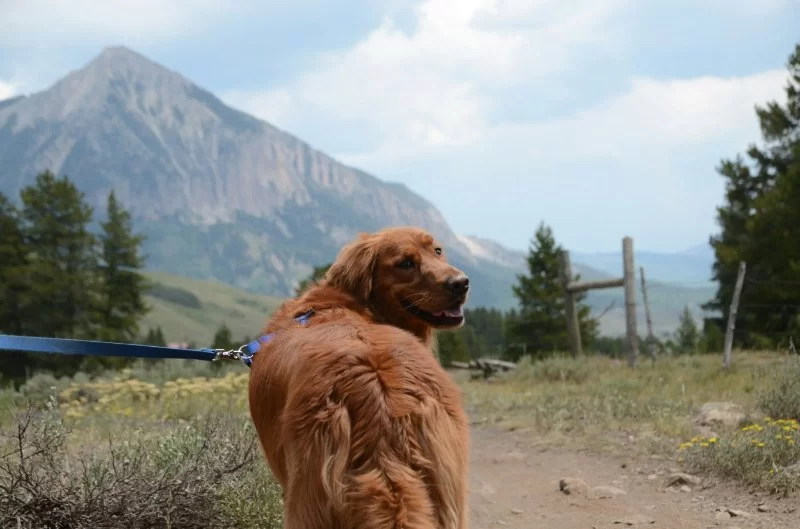
Understanding why dogs love exploring trails becomes easier once you observe how they behave in natural environments. Many dog owners notice a clear difference between a regular neighborhood walk and a trail adventure. On sidewalks, dogs often move predictably from one familiar scent to another. On a forest or mountain trail, however, their excitement becomes obvious — ears alert, tails wagging, and noses constantly working.
Trail environments stimulate a dog's instincts in ways that urban settings cannot. Natural terrain offers constantly changing smells, sounds, and textures. Even dogs that seem calm at home often display curiosity and enthusiasm when introduced to hiking paths or wooded routes.

1. Natural Instincts at Work
Exploration as a Survival Behavior
Dogs descended from wild ancestors that relied on exploration for survival. Searching for food, tracking animals, and navigating territory were essential skills. Although modern dogs live comfortable lives, these instincts remain deeply embedded.
Trail environments allow dogs to engage these instincts in a safe and controlled way. Moving through unfamiliar terrain gives dogs a sense of purpose that indoor environments rarely provide.

The Joy of Discovery
Many dogs approach trails with visible excitement because every turn introduces something new. Fallen leaves, animal tracks, and flowing streams provide endless stimulation.
Owners often describe how their dogs appear more confident and engaged after regular outdoor adventures.
2. Mental Stimulation Through Exploration
Preventing Boredom
Dogs that receive limited stimulation may become restless or destructive. Trail exploration challenges the mind as well as the body.
Changing environments require dogs to pay attention to surroundings, which reduces boredom.
Learning Through Experience
Each trail experience exposes dogs to new situations. Uneven ground, narrow paths, and small obstacles encourage problem-solving skills.
Repeated exposure builds confidence and adaptability.
Sensory World Of Dogs
To fully understand why dogs love exploring trails, it helps to appreciate how differently they experience the world. Dogs rely heavily on senses that humans often overlook.
1. The Power of Scent
A Nose Designed for Exploration
Dogs possess an extraordinary sense of smell that far surpasses human ability. Trails provide a rich scent environment filled with wildlife traces and plant aromas.
Each scent tells a story about what passed through the area.
Layered Smell Information
While humans notice a single smell, dogs detect layers of scent information. Trails contain overlapping scent trails from multiple animals.
This complexity keeps dogs engaged for extended periods.
2. Visual and Auditory Stimulation
Movement in Nature
Rustling leaves and moving shadows attract dogs’ attention. Wildlife activity stimulates curiosity.
Even distant movement can trigger alert behavior.
Natural Sounds
Bird calls, flowing water, and wind through trees create a dynamic soundscape. Dogs often pause and listen carefully.
These experiences stimulate awareness and alertness.
Health Benefits Of Trail Walking
Trail adventures offer significant physical benefits. Dogs that regularly explore trails often maintain better overall health.
1. Physical Fitness Improvements
Muscle Development
Uneven terrain requires dogs to use stabilizing muscles. Climbing slopes and stepping over obstacles strengthens muscles.
These activities improve coordination.
Cardiovascular Health
Longer walks increase heart and lung activity. Consistent exercise supports healthy weight management.
Active dogs often show improved endurance.
2. Emotional Well-Being
Reduced Stress Levels
Outdoor environments often calm anxious dogs. Natural surroundings provide soothing sensory input.
Dogs that regularly visit trails often appear more relaxed at home.
Confidence Building
Successfully navigating trails increases self-assurance. Shy dogs may gradually become more confident.
Positive experiences reinforce bravery.
Pet owners looking to support their dogs’ outdoor health often consult Hidden Brook Veterinary for guidance on exercise routines, preventive care, and safe outdoor activity planning.
Safe Trail Adventures
Trail exploration can be extremely rewarding when done safely. Proper preparation ensures positive experiences for both dogs and owners.
1. Preparing Before the Trip
Physical Readiness
Not all dogs are immediately ready for long hikes. Gradual increases in distance help build stamina.
Starting with shorter trails prevents overexertion.
Hydration Planning
Dogs require regular water breaks during outdoor activity. Carrying portable water containers helps maintain hydration.
Proper hydration prevents overheating.
2. Environmental Awareness
Weather Considerations
Extreme temperatures can affect dogs quickly. Hot weather increases risk of heat exhaustion.
Cooler morning hikes are often safer.
Wildlife Awareness
Wild animals occasionally appear along trails. Keeping dogs under control prevents dangerous encounters.
Awareness improves safety.
3. Equipment for Trail Safety
Proper Leashes and Harnesses
Comfortable harnesses improve control without restricting movement. Durable leashes provide reliability on rough terrain.
Well-fitted gear prevents discomfort.
Identification Protection
Identification tags help ensure safe return if dogs wander away.
Microchipping provides additional protection.
Building Better Bonds On Trails
Trail adventures strengthen relationships between dogs and their owners. Shared experiences create lasting trust.
1. Shared Experiences
Teamwork and Communication
Hiking together requires coordination. Owners guide dogs through obstacles while dogs respond to cues.
This cooperation strengthens communication.
Mutual Trust
Dogs rely on owners for guidance and safety. Successful trips reinforce trust.
Trust leads to better behavior.
2. Memorable Outdoor Moments
Unexpected Discoveries
Many owners recall special moments during trail walks — dogs splashing in shallow streams or pausing to watch wildlife.
These moments create lasting memories.
A Routine Dogs Anticipate
Many dogs quickly learn to recognize signs of upcoming trail trips. Picking up hiking gear often triggers excitement.
These routines become highlights of a dog’s life.
Understanding why dogs love exploring trails helps owners provide more fulfilling lives for their pets. Trail adventures combine physical activity, mental stimulation, and emotional connection in a way few other activities can match.