- preparing-your-pet-for-a-long-trip
- choosing-the-right-travel-method
- keeping-your-pet-comfortable-during-travel
- how-to-deal-with-pet-stress-on-long-journeys
- real-life-pet-travel-experience
- essential-pet-travel-gear
- post-arrival-pet-care-tips
1. Preparing Your Pet for a Long Trip
Traveling with pets, especially on long journeys, can be a rewarding yet challenging experience. I remember the first time I took my dog on a long-distance road trip—it felt like an adventure, but it also required a lot of preparation. Whether you're flying or driving, preparing your pet for the journey is crucial to ensure their safety, comfort, and well-being.

1.1 Veterinary Check-Up
The first step is always a visit to the vet. A check-up ensures your pet is fit for travel and up to date on vaccinations, which is especially important for international travel. If you’re flying, the vet may also provide you with a health certificate, which is often required by airlines or international travel authorities.

What to ask your vet:
1. Is my pet healthy enough for long travel?
2. Do I need any special medications for travel (e.g., for anxiety, nausea)?
3. What vaccinations or health certifications are required for my destination?
1.2 Acclimating Your Pet to Travel Gear
If your pet isn’t used to their travel crate or carrier, it’s important to start acclimating them well in advance of the trip. Set up their crate at home, let them explore it, and encourage positive associations by adding their favorite toys or treats inside.
2. Choosing the Right Travel Method
Once your pet is ready for travel, it’s time to decide how you’ll get from point A to point B. Long-distance travel with pets can be done via car, train, bus, or plane, and each method has its own pros and cons.
2.1 Traveling by Car
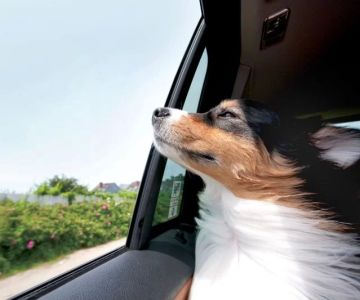
Driving with pets is often the easiest option, especially if you’re traveling within the same country. It allows you more flexibility with stops and gives your pet the comfort of being with you at all times.
Important car travel tips
1. Keep your pet secured in a crate or with a seat belt harness to prevent distractions and ensure their safety.
2. Plan regular breaks for bathroom and water stops.
3. Keep your pet’s essentials (food, water, medications) within easy reach.
2.2 Flying with Pets
Flying with pets requires more planning, but it’s often necessary for long-distance or international trips. Each airline has different policies for pet travel, so make sure to check their specific requirements before booking your flight.
What to consider when flying
1. Choose a pet-friendly airline that allows pets in the cabin (if your pet is small enough).
2. Prepare for possible long waits at the airport by having comfort items and snacks for your pet.
3. Make sure your pet’s carrier meets airline regulations for size and ventilation.
3. Keeping Your Pet Comfortable During Travel
The journey itself can be stressful for pets, especially on long trips. Keeping your pet comfortable should be a priority to help reduce stress and anxiety.
3.1 Hydration and Nutrition
Dehydration is a common issue for pets during long journeys, especially on flights where water may not be easily accessible. Always bring enough water for your pet, and offer them small amounts regularly.
Pro tip:
If traveling by car, I found that adding some ice cubes to their water bowl prevents spills while keeping it cool for longer stretches of travel.
3.2 Comfort Items
Bringing your pet’s familiar items, like their blanket, favorite toy, or a chew treat, can help them feel more at ease during the trip. The smell of home can have a calming effect and distract them from the stress of the journey.
3.3 Monitor Their Stress Levels
Some pets may experience travel anxiety. If your pet is prone to stress, talk to your vet about medications or calming sprays like pheromone-based products that can help ease their nerves during the journey.
4. How to Deal with Pet Stress on Long Journeys
Traveling for extended hours can trigger stress in pets, especially if they’re not accustomed to long trips. I've had my share of pet anxiety moments, and managing that stress is key to ensuring a smooth travel experience.
4.1 Recognizing the Signs of Stress
Pets can display different signs of anxiety, such as drooling, panting, whining, or even vomiting. Recognizing these signs early on allows you to address the issue before it escalates.
4.2 Calming Solutions
Some calming solutions include using a calming collar or anxiety vest that applies gentle pressure to help calm your pet. I’ve also used soothing music during flights or long car rides to keep my dog relaxed.
4.3 Take Breaks During Travel
During road trips, take frequent breaks to give your pet time to stretch their legs, go to the bathroom, and get some fresh air. If flying, try to choose non-stop flights to minimize stress from layovers or transfers.
5. Real-Life Pet Travel Experience
One of the most memorable pet travel experiences I had was a 12-hour road trip with my dog, Max. Max wasn’t used to traveling long distances, and I was nervous about how he’d handle the journey. But with some preparation, including frequent stops and plenty of hydration, the trip was a success.
5.1 The Unexpected Challenge
About halfway through, we hit traffic, and Max began showing signs of stress. I quickly offered him some of his favorite treats and played calming music, which helped soothe him. The key takeaway? Preparation and knowing your pet’s limits made all the difference.
6. Essential Pet Travel Gear
Having the right gear can make a world of difference during long-distance travel with pets. Here are some must-haves:
6.1 Travel Crates and Carriers
A comfortable and well-ventilated travel crate or carrier is essential for safety, especially on flights. Make sure it’s spacious enough for your pet to move around but not so large that they feel insecure.
6.2 Portable Water and Food Bowls
Investing in collapsible bowls for food and water is a game changer. They’re easy to pack, lightweight, and perfect for travel stops.
6.3 Calming Aids
For anxious pets, calming collars, sprays, or treats can be a lifesaver during travel. I personally recommend trying them during short trips first to ensure they work well for your pet.
7. Post-Arrival Pet Care Tips
Once you arrive at your destination, take a moment to let your pet settle in. They’ve likely been through a lot, so they might need time to adjust to their new surroundings.
7.1 Give Your Pet Time to Adjust
Let your pet explore their new environment at their own pace. Set up a cozy spot for them to relax, just like at home, and allow them to acclimate before diving into the activities.
7.2 Keep Up with Routine
Try to stick to your pet’s regular routine as much as possible. Feed them at the same time, provide regular exercise, and maintain familiar sleep patterns to keep their stress levels low.
7.3 Hydration and Rest
After a long journey, make sure your pet gets plenty of rest and stays hydrated. Their body needs time to recover from the trip.
If you need additional support or resources for pet travel, be sure to check out Hidden Brook Veterinary for helpful tips and services tailored to your pet’s needs during long-distance journeys.