- preparing-for-your-pets-first-veterinary-visit
- what-happens-during-the-first-vet-exam
- understanding-vaccinations-and-preventive-care
- common-questions-pet-owners-ask
- real-life-first-visit-experience
- how-to-make-future-visits-easier
1. Preparing for Your Pet’s First Veterinary Visit
When I brought my puppy in for his very first veterinary appointment, I remember feeling both excited and slightly nervous. If you're wondering what to expect at your pet’s first veterinary visit, preparation is where everything begins. A little planning can make a huge difference in how smooth the experience feels for both you and your pet.

1.1 Gathering Essential Information
Before heading to the clinic, I made sure I had all the basics ready. This included any adoption papers, previous medical records (if available), and notes about my pet’s eating habits and behavior. Even small details—like how often your pet drinks water or sleeps—can help the veterinarian build a clearer picture of their health.
1.2 Creating a Calm Environment
Pets pick up on our emotions quickly. I noticed that when I stayed calm, my puppy seemed less anxious. Using a secure carrier for cats or a comfortable leash for dogs can help reduce stress during transportation. Bringing a favorite toy or blanket also adds a sense of familiarity.
2. What Happens During the First Vet Exam
The first exam is more thorough than many people expect, but it’s designed to establish a strong health baseline. Understanding each step can ease your concerns and help you feel more confident.
2.1 Initial Observation and Behavior Assessment
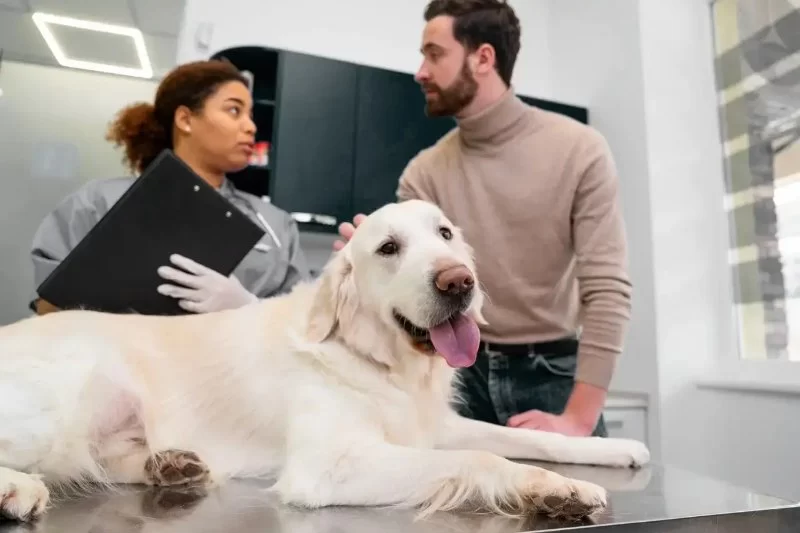
When I walked into the exam room, the veterinarian didn’t immediately start with tools or procedures. Instead, they observed how my pet moved, reacted, and interacted. This subtle evaluation provides insight into mobility, temperament, and potential discomfort.
2.2 Full Physical Examination
The physical exam usually includes checking the eyes, ears, teeth, skin, coat, and weight. The vet also listens to the heart and lungs and gently feels the abdomen. This step ensures there are no underlying issues that might not be obvious at home.
2.3 Discussion and Personalized Recommendations
After the exam, the veterinarian explained everything clearly. I appreciated how they tailored advice specifically to my pet’s breed, age, and lifestyle. This is where you’ll start to understand what to expect at your pet’s first veterinary visit in a practical sense—real guidance, not just routine checks.
3. Understanding Vaccinations and Preventive Care
One of the most important parts of the first visit involves preventive care. This isn’t just about treating illness—it’s about preventing problems before they begin.
3.1 Core Vaccinations Explained
The vet walked me through essential vaccines, explaining why each one matters. For dogs, this often includes protection against rabies, parvovirus, and distemper. For cats, vaccines may include feline leukemia and rabies. Each vaccine plays a role in protecting your pet’s long-term health.
3.2 Parasite Prevention and Nutrition Guidance
I was surprised at how much emphasis was placed on flea, tick, and heartworm prevention. The vet also discussed diet, portion sizes, and feeding schedules. These early decisions can shape your pet’s health for years to come.
3.3 Building a Preventive Care Plan
By the end of the visit, we had a clear schedule for follow-up appointments, vaccinations, and wellness checks. If you’re unsure where to begin, exploring trusted resources like Hidden Brook Veterinary can help you find the right services and products tailored to your pet’s needs.
4. Common Questions Pet Owners Ask
During my first visit, I had more questions than I expected. That’s completely normal, and veterinarians encourage it.
4.1 Behavior and Training Concerns
I asked about chewing, barking, and sleep habits. The vet provided simple, realistic advice that I could apply immediately. These early conversations can prevent bigger issues later.
4.2 Health Warning Signs to Watch
Understanding what’s normal versus what’s concerning is incredibly helpful. The vet explained signs like sudden appetite changes, lethargy, or unusual behavior that might require attention.
4.3 Costs and Ongoing Care
One thing many pet owners worry about is cost. I found that being upfront about budget helped the vet recommend practical options without compromising care quality.
5. A Real-Life First Visit Experience
I’ll never forget how my puppy initially refused to step onto the exam table. Instead of rushing, the veterinarian sat on the floor, letting him approach at his own pace. Within minutes, he relaxed. That moment showed me how much experience and patience matter in veterinary care.
This kind of compassionate approach is something many pet owners share online—stories of nervous pets becoming comfortable thanks to skilled professionals. These real-life experiences highlight why choosing the right clinic is so important.
6. How to Make Future Visits Easier
After that first visit, I realized that veterinary care is not a one-time event—it’s an ongoing relationship.
6.1 Building Positive Associations
I started taking my pet to the clinic occasionally just for short visits, even when no exam was scheduled. This helped him associate the space with positive experiences rather than stress.
6.2 Staying Consistent with Care
Keeping up with scheduled checkups, vaccinations, and preventive treatments ensures your pet stays healthy and reduces the risk of unexpected issues.
6.3 Choosing the Right Veterinary Partner
Finding a trusted veterinary provider makes all the difference. If you’re still deciding where to go, exploring options like Hidden Brook Veterinary can give you confidence that your pet is receiving thoughtful, high-quality care from the very beginning.