Introducing a New Kitten to Older Cats: A Step-by-Step Guide
Bringing a new kitten into your home can be a joyous occasion, but it’s important to consider how your older cats will react to the change. Cats are territorial animals, and introducing a kitten to an older cat can sometimes cause stress and anxiety. However, with the right approach, you can ensure that the transition is as smooth and stress-free as possible for all of your feline friends. In this guide, I’ll walk you through how to introduce a new kitten to older cats and make the process easier for everyone involved.

1. Preparing for the Introduction
Before you even bring your new kitten home, there are several steps you can take to prepare your older cats for the new arrival. These preparations can help reduce any potential stress or territorial behavior from the older cats and set the stage for a more harmonious household.

1.1. Set Up a Separate Space for the Kitten
When you first bring your kitten home, it's crucial to give them a separate space from your older cats. This allows the kitten to acclimate to their new environment without overwhelming them with the presence of your other cats. It also gives your older cats time to adjust to the idea of a new feline in the house. Set up a cozy space with food, water, a litter box, and a comfortable bed for your kitten. Ensure that the older cats can't access this area, allowing the kitten to have their own safe space.
1.2. Gradually Introduce the Scents
Before any face-to-face meetings, start by introducing the scents of the new kitten to your older cats. Cats communicate primarily through scent, so familiarizing your older cats with the kitten’s scent will help them accept the new addition. You can swap bedding between the kitten and older cats, or gently rub a cloth on the kitten’s body and then let the older cats sniff it. This will help them become accustomed to the new smell and avoid feeling threatened when they eventually meet face to face.
2. The First Introduction
Once your older cats have had time to adjust to the kitten’s scent, it's time to introduce them in person. This process should be done slowly and carefully to prevent any aggressive behavior or territorial marking.
2.1. Controlled Face-to-Face Meetings
Start with short, controlled meetings where your older cats and the kitten can see and smell each other, but cannot physically interact. One effective way to do this is by using a baby gate or keeping the kitten in a crate during the first meeting. Allow your older cats to observe the kitten from a safe distance and keep the interactions calm. Be sure to reward your older cats with treats and praise for staying calm and not showing aggression.
2.2. Monitor Body Language
During the introduction, keep a close eye on both the kitten and the older cats’ body language. Cats often communicate their feelings through their posture, tail movements, and ear positioning. Look for signs of stress or aggression such as hissing, growling, or raised fur. If any of the cats show signs of aggression, it may be best to separate them and try again later, gradually increasing the amount of time they spend together.
3. Gradual Integration and Building Positive Associations
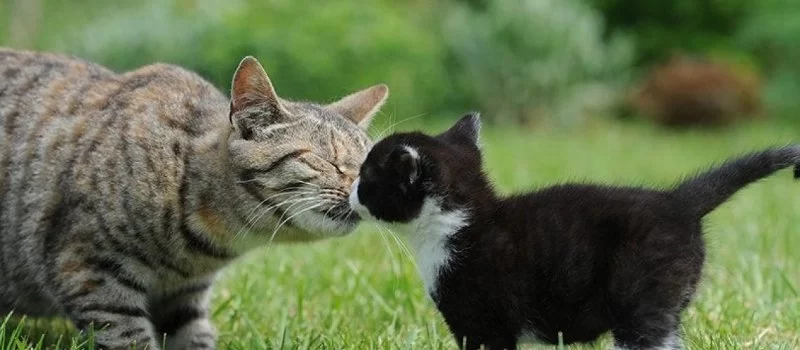
After the initial introduction, it’s important to continue the process gradually. Over time, the older cats and the kitten will become more familiar with one another, and their interactions should become more positive.
3.1. Allow Interaction Under Supervision
Allow the older cats and the kitten to interact under supervision. Start with short, supervised sessions where they can explore the space together. Monitor their interactions closely and step in if necessary. Positive interactions should be rewarded with treats, affection, and praise. This will help the older cats associate the presence of the kitten with positive experiences.
3.2. Gradually Increase Interaction Time
As the older cats become more comfortable with the kitten, you can gradually increase the amount of time they spend together. However, always ensure that you are supervising their interactions during this phase. It’s essential to move at the pace that feels comfortable for all of your cats. Rushing the process can lead to setbacks and cause stress for everyone involved.
4. Creating a Harmonious Home for All Cats
With patience, time, and the right approach, your older cats and the new kitten will likely become good companions. It's important to continue managing their interactions and ensure that each cat has their own space and resources to avoid competition and stress.
4.1. Provide Multiple Litter Boxes, Food, and Water Stations
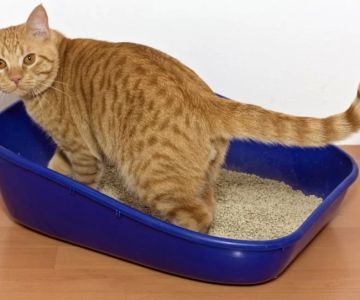
One of the best ways to prevent territorial disputes between your cats is to provide multiple litter boxes, food bowls, and water stations throughout the home. This ensures that each cat has access to their own resources and reduces the chances of conflict. It's especially important to have one litter box per cat, plus one extra, to ensure that there’s enough space for everyone.
4.2. Regular Play and Attention
Regular playtime and attention are crucial for all cats, especially in a multi-cat household. Spend individual time with each cat, ensuring that they feel loved and secure. Playtime also helps relieve any pent-up energy and anxiety, particularly in cats that may feel threatened by the new kitten.
5. When to Seek Professional Help
Most cats will eventually adjust to the presence of a new kitten, but if you encounter persistent aggression or anxiety, it may be time to seek the help of a professional. A veterinarian or animal behaviorist can offer advice and strategies to help your cats adjust to their new family member. In some cases, behavioral issues may need to be addressed with professional intervention to ensure that everyone in the household is comfortable and stress-free.