The Best Ways to Keep Pets Safe During Outdoor Adventures
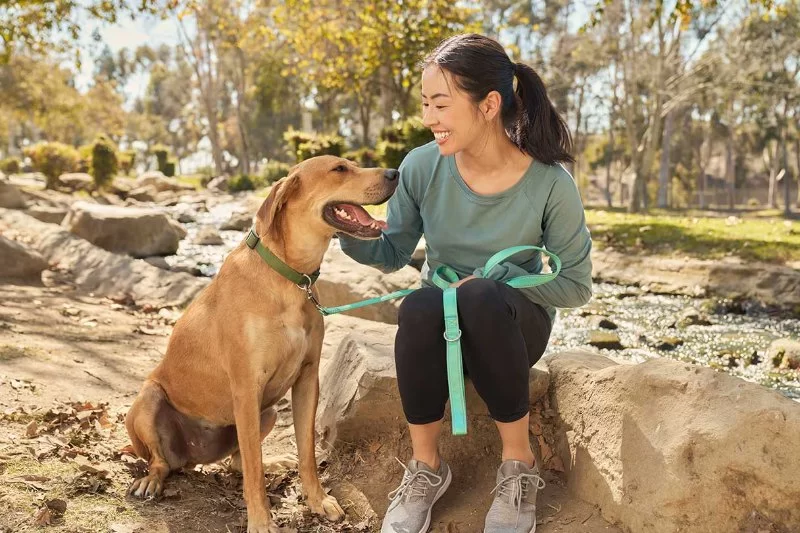
As a pet owner, there’s nothing more enjoyable than taking your furry friend on outdoor adventures, whether it’s hiking in the mountains, camping by the lake, or simply walking through the park. However, outdoor activities come with their own set of challenges, especially when it comes to keeping your pet safe. I’ve had my share of outdoor trips with my dog, and over the years, I’ve learned valuable lessons on how to ensure a fun, safe, and enjoyable adventure for both of us.

1. Preparing for the Adventure: Basic Safety Measures
Before embarking on any outdoor activity with your pet, it’s important to prepare them for the environment they’ll be in. This involves taking a few simple but necessary precautions.

1.1. Ensure Proper Identification
One of the first things to do before any outdoor trip is to make sure your pet is properly identified. This means having a collar with an up-to-date ID tag, and if your pet is microchipped, confirming that their registration details are current. In the wilderness or busy areas, it’s easy for pets to wander off, and having proper identification increases the chances of being reunited with your furry companion should they get lost.
1.2. Pack Essentials
Just like you would pack for your own needs, it’s crucial to pack the essentials for your pet. This includes water, food, leash, waste bags, and any necessary medications. For long hikes or camping trips, consider bringing a portable bowl for hydration, and always have enough food for your pet. Additionally, a first aid kit designed for pets is a must-have in case of any minor injuries.
2. Selecting the Right Trail or Park
Choosing the right trail or park is essential to ensure your pet's safety. Not all outdoor locations are pet-friendly, and some environments can be hazardous for certain animals.
2.1. Look for Pet-Friendly Locations
Research the area beforehand to find pet-friendly parks and trails. Many national and state parks have designated areas where pets are welcome, and some even have specific rules regarding pet behavior. I’ve personally found that visiting places with established pet-friendly paths makes the trip more enjoyable for both you and your dog.
2.2. Evaluate the Terrain
When selecting a trail or park, evaluate the terrain and difficulty level. Some trails are too rugged for pets, especially if they’re not used to hiking. Ensure the trail is suitable for your pet’s age, size, and physical condition. For example, my dog, a medium-sized breed, loves moderate hikes but struggles with steep, rocky terrain.
3. During the Adventure: Keeping Your Pet Safe
Once you’ve hit the trail or arrived at your destination, it’s time to focus on maintaining your pet’s safety while enjoying the outdoors.
3.1. Keep Your Pet Leashed
Even if your pet is well-behaved, keeping them on a leash is important for their safety. In open areas, there may be wild animals, such as snakes or squirrels, that could distract your pet or even pose a danger. Additionally, a leash ensures your pet doesn’t wander off and get lost in unfamiliar surroundings.
3.2. Watch for Hazards
Stay alert and watch for any potential hazards along the trail. This includes sharp objects, poisonous plants, or dangerous wildlife. For example, during one of our hikes, I was careful to avoid areas where rattlesnakes might be hiding, as they can pose a serious risk to pets.
3.3. Hydration and Rest
Just like you need breaks to stay energized, so does your pet. Make sure to give them plenty of water and take short breaks during the hike. This is especially important during the warmer months to avoid dehydration or heatstroke. In my experience, keeping a steady hydration routine prevents fatigue and keeps both of us refreshed.
4. Post-Adventure Care
After an outdoor adventure, it’s important to check on your pet’s condition and address any issues that may have arisen during the outing.
4.1. Check for Injuries
Once you return home, thoroughly check your pet for any injuries, scratches, or cuts. Be sure to clean and disinfect any wounds promptly to avoid infection. I’ve learned that checking between the paws is especially important after walks on rough terrain or hiking through dense areas.
4.2. Grooming and Bathing
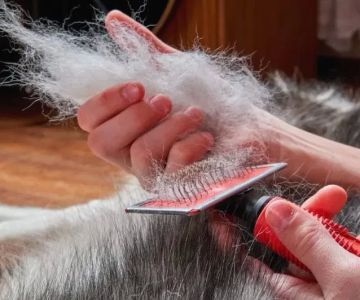
Outdoor adventures can leave your pet dirty, so it’s a good idea to give them a bath or wipe them down. Grooming also helps remove any ticks or fleas that might have attached during the hike. Regular grooming can prevent skin irritations caused by dirt or plant matter.
5. Recommendations for Pet Gear
To ensure your pet’s comfort and safety, investing in the right gear is crucial. There are plenty of products designed specifically for outdoor adventures with pets.
5.1. Pet Carrier or Backpack
If you plan on going on longer trips or hikes, a pet carrier or backpack is a convenient way to carry your pet when they get tired or if the terrain becomes too difficult. These carriers are designed to keep your pet comfortable while also giving you the convenience of having them safely on your back.
5.2. Dog Boots
Dog boots are especially useful for protecting your pet’s paws on rough terrain or during long hikes. These boots can prevent abrasions and keep their paws safe from hot or cold surfaces. I found them particularly helpful when hiking in the desert heat or snow-covered trails.
5.3. Reflective Gear
For safety, especially during early morning or evening walks, reflective gear is a must. Reflective collars or vests make your pet more visible in low-light conditions, preventing accidents and keeping them safe on busy trails or roads.
If you’re looking for more expert advice or high-quality products for your pet’s outdoor adventures, visit Hidden Brook Veterinary for recommendations and tips.