- Understanding the Causes of Itchy Ears in Pets
- Common Symptoms of Itchy Ears in Pets
- How to Treat Itchy Ears in Pets
- Natural Remedies for Pet Ear Health
- When to Visit the Vet for Itchy Ears
1. Understanding the Causes of Itchy Ears in Pets
As a pet owner, it’s natural to want your furry companion to be comfortable, and seeing them suffer from itchy ears can be concerning. But understanding what causes itchy ears in pets is the first step in solving the problem. Itchy ears are a common issue, and they can be caused by various factors ranging from allergies to infections or even parasites.
In my experience, the most frequent culprits of itchy ears in pets are ear infections, allergies, and ear mites. Dogs and cats with floppy ears are especially prone to ear infections because their ears trap moisture, which creates a perfect environment for bacteria or yeast to grow. Allergies, whether to food, environmental factors, or seasonal pollen, can also trigger itchy ears. Furthermore, parasites like ear mites are a common issue in pets, causing intense itching and irritation. Let’s take a closer look at these causes and how to address them effectively.

2. Common Symptoms of Itchy Ears in Pets
It’s essential to know how to recognize when your pet has itchy ears. The most obvious sign is frequent scratching or rubbing of their ears, but other symptoms may indicate a more serious underlying condition. Here are some of the most common signs to watch for:
1126 Cesery Blvd, Jacksonville, FL 32211, USA
See Details2.1. Excessive Scratching and Head Shaking
If your pet is constantly scratching at their ears or shaking their head, it’s a clear sign that something is bothering them. Pets with itchy ears will often try to alleviate the discomfort by scratching or even rubbing their head against furniture or the floor.
2.2. Redness or Swelling Inside the Ears
When a pet’s ears are irritated, you might notice redness or swelling inside the ear canal. This could be a sign of an infection or allergy flare-up. It’s crucial to look inside your pet’s ears to check for any visible signs of inflammation.
2.3. Unpleasant Odor
If your pet’s ears start to smell bad, it could be a sign of an ear infection caused by bacteria or yeast. A strong, foul odor coming from the ears often indicates that your pet needs medical attention.
2.4. Discharge from the Ears
Another common symptom of itchy ears in pets is a discharge from the ears. This discharge can range from clear to yellow, brown, or even black in color, depending on the cause. If you notice any unusual discharge, it’s important to have your pet examined by a veterinarian.
3. How to Treat Itchy Ears in Pets
Once you identify that your pet has itchy ears, it’s time to treat the problem. The treatment will depend on the underlying cause of the irritation. Below are some common solutions I have found effective for treating itchy ears in pets:
3.1. Regular Ear Cleaning
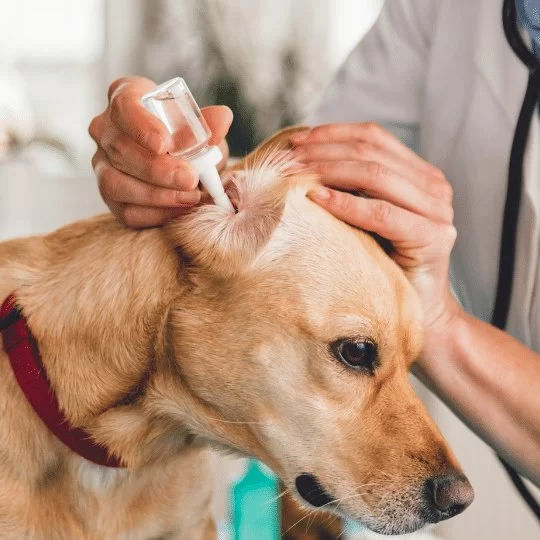
Regular cleaning of your pet’s ears can help prevent the buildup of wax, dirt, and bacteria, which can lead to ear infections. Use a gentle pet ear cleaner, which can be found at most pet stores or through your veterinarian. Avoid using cotton swabs, as they can push debris further into the ear canal.
3.2. Treating Ear Infections
If an ear infection is the culprit, your vet will likely prescribe ear drops or medications to treat the infection. It’s important to follow your vet’s instructions carefully and complete the full course of medication, even if your pet seems to feel better before the treatment is finished. This will help ensure the infection is fully cleared up.
3.3. Allergy Medications
If your pet’s itchy ears are due to allergies, allergy medications may be required. These can be oral medications, topical treatments, or even special shampoos designed to reduce itching. Your veterinarian can help you determine the best treatment plan based on your pet’s specific allergy triggers.
3.4. Flea and Parasite Control
For pets with ear mites or other parasites, effective flea and parasite control is essential. Your vet can recommend products specifically designed to treat ear mites, including drops or topical treatments. It’s also important to maintain regular flea control, as fleas can exacerbate itching and lead to further ear problems.
4. Natural Remedies for Pet Ear Health
In addition to veterinary treatments, there are several natural remedies that can help alleviate your pet’s itchy ears. Here are a few options that I’ve personally found helpful:
4.1. Coconut Oil
Coconut oil has natural antibacterial and antifungal properties, which makes it a great option for soothing irritated ears. You can gently apply a small amount of coconut oil to the inside of your pet’s ears using a cotton ball. This can help moisturize and relieve itching, but make sure to check with your vet before using coconut oil on your pet’s ears.
4.2. Apple Cider Vinegar
Apple cider vinegar is another natural remedy that can be used to balance the pH of your pet’s ears and reduce itching. Mix a 50/50 solution of water and apple cider vinegar, and gently clean your pet’s ears with a cotton ball. Always ensure that there are no open wounds in the ears before using apple cider vinegar, as it can sting if there is an injury.
4.3. Aloe Vera
Aloe vera has soothing and anti-inflammatory properties that can help calm irritated skin. You can apply aloe vera gel to the outer part of your pet’s ear to reduce redness and inflammation. Be sure to use a pure, pet-safe aloe vera gel that is free from added chemicals.
5. When to Visit the Vet for Itchy Ears
While many cases of itchy ears can be managed at home, it’s important to know when to seek professional help. If your pet’s symptoms persist, worsen, or are accompanied by a foul odor or discharge, it’s time to schedule a visit to the vet. In some cases, untreated ear infections or chronic allergies can lead to more serious health issues, such as hearing loss.
By consulting with a vet, you can ensure that your pet gets the right treatment for their specific condition, and avoid any long-term complications. Early intervention is key to helping your pet feel better and maintain healthy ears for years to come.
If you're looking for expert advice or treatment options for your pet's ear issues, I highly recommend checking out 【Hidden Brook Veterinary】 for the best recommendations and services available to keep your pet happy and healthy.