Why Does Your Cat Sleep So Much? Understanding Cat Sleep Patterns
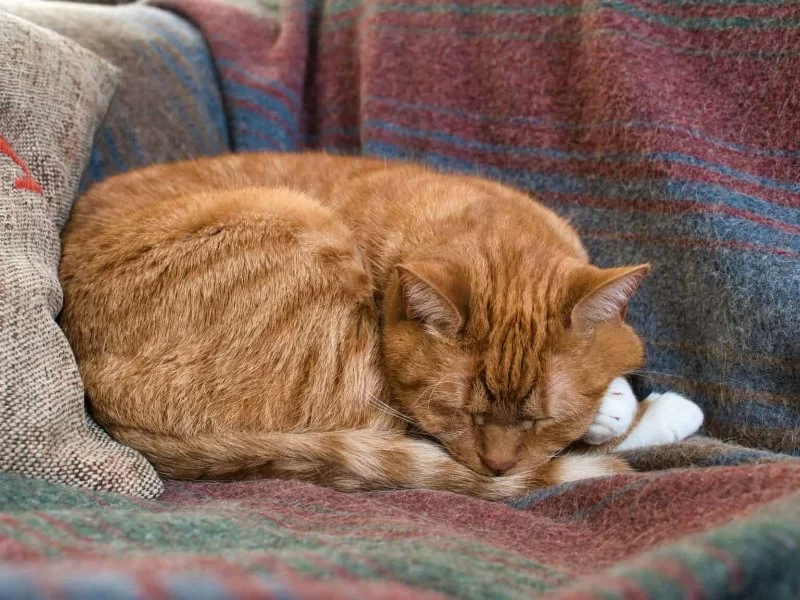
Cats are notorious for spending a lot of their day napping, often sleeping up to 16 hours or more. If you’re a cat owner, you’ve likely wondered, "Why does my cat sleep so much?" Is this normal? Should I be worried? In this article, I’ll break down the reasons why cats sleep so much, when it’s completely normal, and when it might signal a health concern that requires attention.

1. Understanding Cat Sleep Habits
To understand why cats sleep so much, it’s important to know that they are natural predators. This means that they have evolved to conserve their energy, often spending long hours resting and napping, so they’re ready to hunt when necessary. In fact, domestic cats still exhibit these instincts. While they may not hunt for food, their bodies are still hardwired to sleep extensively. Unlike humans who sleep for long, continuous periods, cats sleep in bursts throughout the day, and their sleep can be categorized into two stages: light sleep and deep sleep.

2. How Much Sleep is Normal for Cats?
The amount of sleep a cat needs can vary depending on several factors such as age, health, and activity level. On average, cats sleep anywhere from 12 to 16 hours per day, but some cats, especially kittens and senior cats, may sleep even more. Let’s explore what’s normal for your cat at different life stages:
2.1 Kittens
Kittens, like babies, need a lot of sleep to grow and develop. They can sleep up to 18-20 hours a day, with lots of short naps interspersed with periods of play and exploration. This is perfectly normal as their bodies and brains are growing rapidly.
2.2 Adult Cats
Adult cats, particularly those that are indoor-only, typically sleep 12-16 hours a day. If your cat seems content and energetic when awake, then their sleep patterns are likely fine. However, outdoor cats may sleep slightly less, as they are more active during the day, even if they still sleep for significant periods.
2.3 Senior Cats
As cats age, they often become less active and tend to sleep more. Senior cats may sleep anywhere from 16 to 18 hours a day. This can be due to natural aging and a decrease in energy levels. However, if your senior cat suddenly starts sleeping excessively or seems lethargic even when awake, it could indicate a health issue that needs attention.
3. When Should You Be Concerned About Your Cat’s Sleep Patterns?
While excessive sleep is often normal, it’s important to recognize when it might be a sign of a problem. Here are some indicators that may suggest your cat’s sleep habits need further investigation:
3.1 Sudden Increase in Sleep
If your cat suddenly starts sleeping much more than usual, especially if they’re also displaying signs of lethargy, it could be a sign of illness. This might include conditions such as:
- Hypothyroidism
- Chronic kidney disease
- Diabetes
- Arthritis or other painful conditions
If you notice a drastic change in your cat’s behavior or sleep patterns, it’s a good idea to schedule a check-up with your vet to rule out any potential health issues.
3.2 Difficulty Waking Up
If your cat is difficult to wake up or seems unresponsive during naps, this could indicate a problem. Cats who are excessively drowsy or unresponsive may be suffering from issues such as:
- Infection
- Heart disease
- Neurological disorders
It’s important to monitor your cat’s behavior closely and consult your veterinarian if they seem unusually hard to wake or sluggish even when they should be alert.
4. Other Factors Affecting Sleep
In addition to age and health, there are other factors that may influence your cat’s sleep habits:
4.1 Environmental Factors
Noise levels, temperature, and comfort can all affect how much your cat sleeps. Cats prefer quiet, warm places to nap, and an uncomfortable environment may cause them to sleep more in search of comfort. Ensure your cat has a cozy, quiet spot to sleep, free from distractions.
4.2 Diet and Activity Levels
Diet and exercise play a key role in your cat’s overall energy levels. A balanced diet and regular playtime help keep your cat healthy and active during waking hours. Cats that don’t get enough exercise may sleep more than those that are engaged in physical or mental stimulation.
5. Tips to Keep Your Cat Active and Healthy
If you’re concerned about your cat’s sleep habits, there are a few things you can do to encourage healthy activity levels:
- Provide stimulating toys that encourage movement.
- Engage in regular play sessions to keep your cat active.
- Ensure your cat’s diet is balanced and appropriate for their age and size.
- Give your cat a comfortable, quiet space to sleep undisturbed.
Keeping your cat mentally and physically engaged can help regulate their sleep patterns and ensure they remain happy and healthy.
If you have concerns about your cat’s sleep or overall health, don’t hesitate to consult with a veterinarian for guidance. If you're looking for more advice on pet care, you can always visit Hidden Brook Veterinary for expert help and resources.