Signs of Respiratory Trouble in Pets and When to Call Your Vet
As pet owners, it's crucial to be able to recognize signs of respiratory trouble in your pets. Just like humans, pets can suffer from various respiratory issues that can range from mild to severe. Knowing when to seek help from your vet can make all the difference in your pet's health. In this article, we will discuss the common signs of respiratory distress in pets and the steps you should take when you notice them.
- 1. Common Signs of Respiratory Trouble in Pets
- 2. Breathing Trouble in Dogs
- 3. Breathing Trouble in Cats
- 4. How Vets Diagnose Respiratory Issues
- 5. Treatment Options for Respiratory Trouble in Pets
- 6. When to Call Your Vet for Respiratory Issues
- 7. Get Expert Care at Hidden Brook Veterinary
1. Common Signs of Respiratory Trouble in Pets
Respiratory issues in pets can manifest in many different ways. Common signs that indicate your pet may be experiencing breathing difficulties include:
1. Labored Breathing: If your pet is breathing faster or harder than usual, it could be a sign of respiratory distress. Look for signs like open-mouth breathing, flaring nostrils, or excessive panting.
2. Coughing or Gagging: Persistent coughing, gagging, or wheezing can be signs that your pet is struggling with their airways. These symptoms might be caused by infections, allergies, or even heart problems.
3. Nasal Discharge: Clear or colored nasal discharge may indicate a respiratory infection or congestion. If the discharge is thick and yellow or green, it could point to an infection that requires veterinary attention.
4. Excessive Salivation: Drooling more than usual or foamy saliva can indicate difficulty in breathing, especially if your pet seems to have trouble swallowing.
5. Blue or Pale Gums: If your pet’s gums appear blue or pale instead of their usual pink, this can indicate a lack of oxygen in their bloodstream, which is a serious condition requiring immediate veterinary care.

2. Breathing Trouble in Dogs
In dogs, respiratory issues may manifest differently depending on their breed, age, and overall health. Common causes of breathing trouble in dogs include:
1. Kennel Cough: Also known as canine infectious tracheobronchitis, kennel cough causes coughing, gagging, and a runny nose. It is highly contagious and often worsens in puppies or older dogs.
2. Collapsing Trachea: Small and toy breeds are particularly susceptible to this condition, where the trachea becomes weak and collapses during breathing, resulting in coughing and difficulty inhaling.
3. Heart Disease: Respiratory symptoms can also be a sign of heart disease, especially in older dogs. This may include coughing, rapid breathing, and fatigue, often combined with signs of fluid in the lungs.

3. Breathing Trouble in Cats
Just like dogs, cats can experience various respiratory issues. Some of the most common causes of breathing difficulties in cats include:
1. Feline Asthma: Feline asthma can cause wheezing, coughing, and labored breathing, which often worsens during certain environmental changes, such as allergens or stress.
2. Upper Respiratory Infections: Cats can develop upper respiratory infections, which often lead to symptoms like nasal discharge, coughing, and sneezing. These infections are typically viral but can also be caused by bacteria.
3. Heartworm Disease: Though more common in dogs, heartworms can also affect cats and lead to respiratory issues. Symptoms may include coughing, wheezing, and a decrease in activity levels.
4. How Vets Diagnose Respiratory Issues
If you notice any signs of respiratory trouble in your pet, it's essential to take them to the vet for a thorough examination. Common diagnostic methods used by veterinarians to assess respiratory issues include:
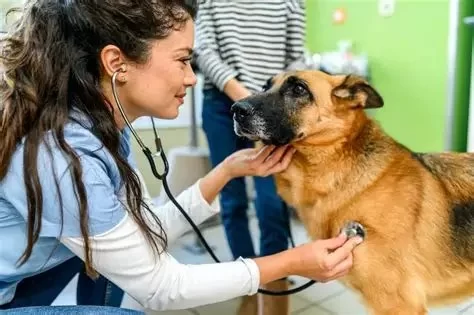
1. Physical Examination: A vet will typically start by checking your pet's heart rate, breathing rate, and overall appearance. They will listen to their lungs with a stethoscope to identify any abnormal sounds.
2. X-rays: Chest X-rays can provide a clear view of the lungs and heart to identify any signs of infection, fluid buildup, or other abnormalities.
3. Blood Tests: Blood tests help assess your pet’s overall health and detect any underlying infections, parasites, or heart issues that may be contributing to their respiratory problems.
5. Treatment Options for Respiratory Trouble in Pets
The treatment for respiratory issues in pets varies depending on the underlying cause. Common treatment options include:
1. Antibiotics: If the respiratory issue is caused by a bacterial infection, antibiotics may be prescribed to treat the infection.
2. Bronchodilators: Pets with asthma or other bronchial issues may be given bronchodilators to help open the airways and ease breathing.
3. Surgery: In severe cases, surgery may be necessary, especially if a foreign object is obstructing the airway or if a pet has a collapsing trachea.
4. Oxygen Therapy: In critical cases, your pet may need supplemental oxygen to help them breathe more easily while their condition is being stabilized.
6. When to Call Your Vet for Respiratory Issues
If your pet is showing signs of respiratory distress, it's essential to monitor their condition closely. Here are some key indicators that you should call your vet immediately:
1. Difficulty Breathing: If your pet is struggling to breathe, panting excessively, or showing signs of labored breathing, it’s time to seek veterinary care.
2. Blue or Pale Gums: This is a sign of oxygen deprivation, which requires immediate medical attention.
3. Persistent Coughing: If your pet’s coughing lasts for more than a day or two, or if it worsens, contact your vet.
4. Sudden Lethargy: If your pet is suddenly acting very tired or weak, it may indicate an underlying issue with their respiratory or cardiovascular system.
7. Get Expert Care at Hidden Brook Veterinary
If you notice any signs of respiratory trouble in your pet, don’t wait. Call Hidden Brook Veterinary to schedule an appointment with one of our experienced veterinarians. Our team is equipped to handle all types of respiratory issues and provide your pet with the care they need to feel better.
From diagnosing infections to providing treatments for chronic conditions, we are committed to helping your pet breathe easier. Reach out today for expert veterinary care!