- 1 - Why pet hydration matters more than you think
- 2 - Wet food: the simplest way to boost hydration
- 3 - Why water fountains encourage pets to drink more
- 4 - When and how to use electrolytes for pets
- 5 - Recognizing the early signs of dehydration
- 6 - Real-life hydration success stories
- 7 - Expert advice from Hidden Brook Veterinary
1. Why pet hydration matters more than you think
1.1 The hidden dangers of mild dehydration
Many pet owners underestimate how quickly dehydration can affect their furry companions. A pet losing even 5% of body water can begin showing subtle signs like lethargy, dry gums, and decreased appetite. Over time, chronic low hydration can strain kidneys and digestion—especially in cats and senior dogs.
1.2 Seasonal and lifestyle impact
Hydration challenges increase during summer or after intense play sessions. Indoor pets exposed to air conditioning or heated air also lose moisture faster through respiration. That’s why pet hydration strategies need to adapt with weather, activity level, and diet type.

1.3 How much water your pet really needs
On average, dogs need about one ounce of water per pound of body weight daily, while cats may need slightly less but are prone to dehydration due to their natural low thirst drive. Offering both fresh water and moisture-rich food helps balance their intake naturally.
2. Wet food: the simplest way to boost hydration
2.1 Why wet food makes a difference
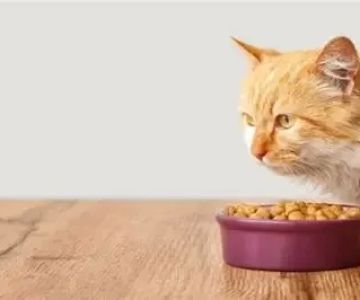
Wet food typically contains around 70–80% water, making it an effortless way to improve hydration—especially for picky drinkers. Cats, descended from desert animals, often get most of their moisture through food, making wet diets essential for urinary tract and kidney health.
2.2 Combining wet and dry food
For dogs, mixing wet and dry food provides texture variety and keeps meals exciting. The added moisture aids digestion, particularly for breeds prone to bloating or sensitive stomachs. When learning about pet hydration strategies, this is often the most effective and immediate change owners can make.
2.3 Choosing the right wet food
Look for formulas with natural ingredients and no added salts. Protein-first recipes with real meat or fish are ideal. At Hidden Brook Veterinary, nutrition experts often recommend transitioning gradually—adding a tablespoon of wet food per meal until your pet adjusts smoothly.
3. Why water fountains encourage pets to drink more
3.1 The psychology behind moving water
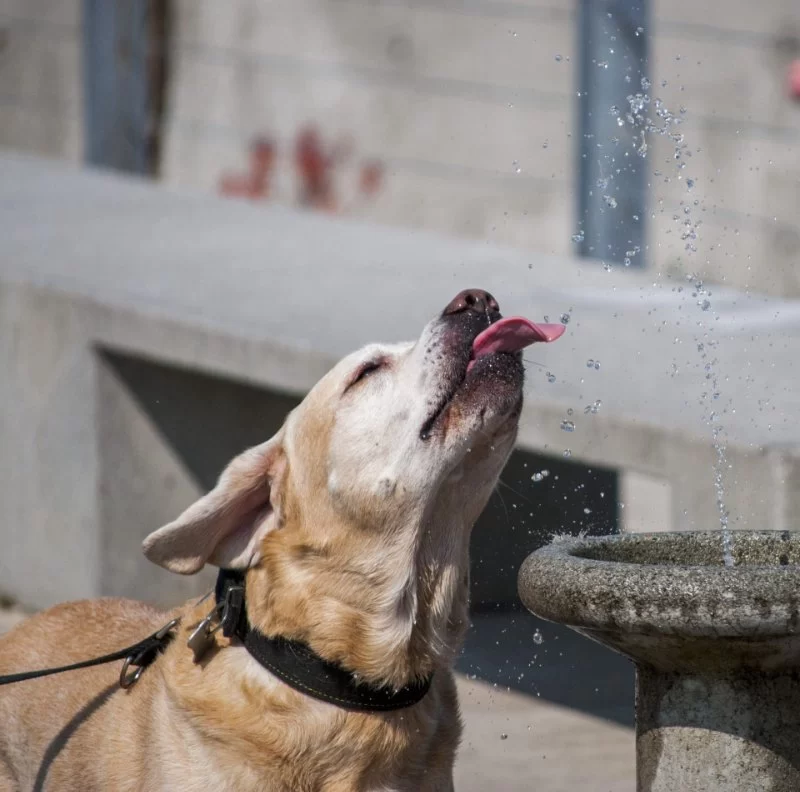
Animals are naturally drawn to moving water—it signals freshness and safety. Pet water fountains mimic streams, providing constant circulation that keeps the water oxygenated and more appealing than stagnant bowls. This simple behavioral trick can double a pet’s drinking frequency.
3.2 Hygiene and taste advantages
Circulating water prevents bacterial buildup, especially during warm weather. Filters remove impurities, improving both taste and smell. For multi-pet households, fountains ensure every pet has access to fresh water throughout the day, reducing competition and stress around shared bowls.
3.3 Placement and maintenance tips
Place fountains in quiet corners where pets feel safe but not isolated. Clean them weekly and replace filters regularly to maintain freshness. Many pet owners notice visible improvements in coat shine and energy levels within weeks of switching to fountains.
4. When and how to use electrolytes for pets
4.1 What electrolytes do
Electrolytes—like sodium, potassium, and chloride—help regulate nerve and muscle function. They’re essential when pets lose fluids through heat, diarrhea, or excessive panting. Unlike plain water, electrolyte solutions restore both hydration and balance within the body.
4.2 When to supplement
Use pet-safe electrolyte supplements during heatwaves, after long outdoor activities, or following mild illness. Always choose veterinary-formulated products; human sports drinks are too sugary and may harm pets. Hidden Brook Veterinary professionals recommend using these supplements only as needed, not as daily replacements for water.
4.3 Natural electrolyte options
Broth-based hydration is another gentle way to replenish fluids. Unsalted chicken or bone broth offers electrolytes and encourages pets to drink more. Some owners freeze low-sodium broth into cubes for a refreshing summer treat that also boosts hydration.
5. Recognizing the early signs of dehydration
5.1 Subtle symptoms to watch for
Early signs include dry gums, reduced skin elasticity, and less frequent urination. If your pet’s saliva becomes thick or sticky, dehydration may be developing. In advanced cases, pets can exhibit sunken eyes and rapid breathing—signals to seek immediate veterinary care.
5.2 Simple home tests
Gently lift the skin on the back of your pet’s neck. If it doesn’t snap back quickly, hydration levels may be low. Monitoring water bowl levels daily helps track changes in drinking behavior that might indicate underlying health concerns.
5.3 Behavioral changes
Pets often show subtle clues: licking cool surfaces, hiding in shaded areas, or showing less interest in play. Paying attention to these patterns can help prevent serious dehydration episodes before they escalate.
6. Real-life hydration success stories
6.1 The cat who stopped drinking
A client at Hidden Brook Veterinary once brought in a cat named Luna, who refused water entirely. After introducing a water fountain and switching to mixed wet food, Luna’s hydration levels improved within a week. Her fur regained its sheen, and her energy returned.
6.2 The hiking dog in summer
Another case involved Max, a golden retriever who accompanied his owner on daily hikes. After several heat-related dehydration scares, his owner began adding electrolyte supplements and bringing collapsible bowls. The result: no more fatigue mid-trail and better endurance overall.
6.3 The multi-pet household fix
Three cats sharing a single bowl led to dehydration for the timid one. Installing two fountains in separate corners balanced access and improved hydration for all. This demonstrates how environment changes can make a major difference without altering diet.
7. Expert advice from Hidden Brook Veterinary
7.1 Consistency is key
Hydration isn’t a one-time task—it’s a daily routine. Keep fresh water accessible, offer wet meals regularly, and adjust habits based on temperature and activity. Even small improvements add up to better kidney, joint, and coat health.
7.2 Build habits early
Encouraging young pets to enjoy water fountains or moist food makes it easier to maintain good hydration habits later in life. Early training reduces stress around dietary changes or medical hydration needs.
7.3 Consult before supplementing
Always consult your vet before adding electrolytes or changing hydration routines, especially for pets with heart or kidney conditions. Hidden Brook Veterinary offers personalized nutrition and hydration plans to fit your pet’s lifestyle, ensuring balanced care that lasts a lifetime.
7.4 Final note
Mastering pet hydration strategies: wet food, water fountains, and electrolytes transforms routine care into preventive health. With consistent effort and the right support, your pet stays active, radiant, and well-hydrated. Visit Hidden Brook Veterinary to explore hydration products and wellness advice tailored to your companion’s unique needs.