1. Hidden Brook Veterinary
  2. Pet Care Blog

How to Use Essential Oils Safely (or Not) Around Pets
SEO Title: How to Use Essential Oils Safely (or Not) Around Pets SEO Keywords: essential oils, using essential oils safely with pets, pet safety with essential oils, risks of essential oils for pets, pet health and essential oils SEO Description: Learn how to use essential oils safely around pets, including potential risks and how to keep your furry friends safe. Discover expert advice on essential oils and pet care.

1. Understanding Essential Oils and Their Risks for Pets

Essential oils are highly concentrated plant extracts used in aromatherapy, cleaning, and personal care products. While they offer a variety of benefits for humans, many essential oils can be harmful or even toxic to pets. It’s crucial to understand both the potential benefits and the risks of using essential oils around animals. For instance, cats and dogs have a much stronger sense of smell than humans, which means that even small amounts of essential oils can overwhelm their systems. In fact, certain oils can cause serious health issues, including respiratory distress, digestive problems, and even poisoning if ingested.

2. How Essential Oils Can Impact Pet Health

The impact of essential oils on pets varies depending on the type of oil and the animal involved. Pets, especially cats and dogs, metabolize substances differently than humans, and essential oils can interfere with their delicate systems. - Cats and Essential Oils: Cats are particularly sensitive to essential oils due to their lack of certain liver enzymes that humans and dogs possess. Oils like tea tree, eucalyptus, and citrus can be extremely dangerous for cats. Exposure can result in symptoms like drooling, tremors, and even organ failure. - Dogs and Essential Oils: While dogs are less sensitive than cats, they can still suffer from exposure to essential oils. Symptoms like vomiting, diarrhea, and lethargy can occur if a dog is exposed to high concentrations of oils, particularly peppermint, cinnamon, or clove oils.

3. Safe Ways to Use Essential Oils Around Pets

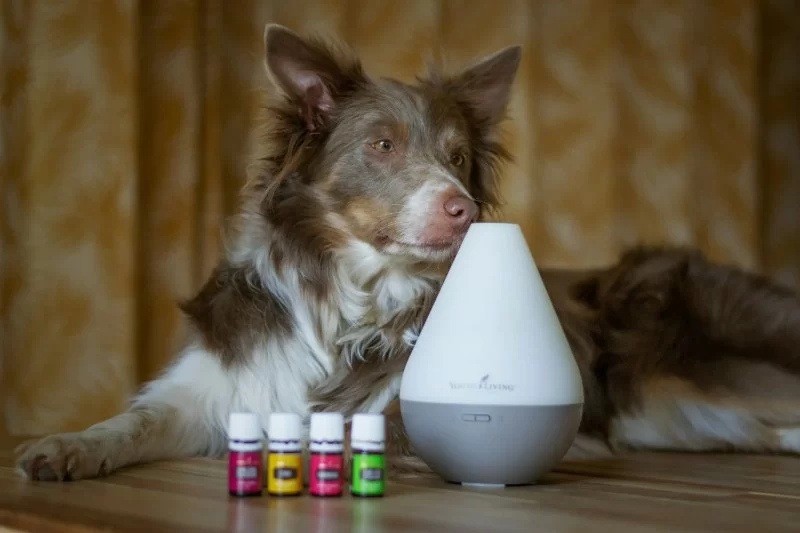
If you’re keen on using essential oils in your home but also want to ensure the safety of your pets, there are ways to do so safely. Here are some precautions to consider: - Diffusion in a Well-Ventilated Area: If you choose to diffuse essential oils, make sure the room is well-ventilated, and your pets have the option to leave the area. Always place diffusers in areas where pets can’t easily access them. - Dilution: Never apply essential oils directly to your pet’s skin without first diluting them. Even diluted oils can still cause skin irritation or ingestion risks if licked. - Use Pet-Specific Products: Many brands offer pet-safe essential oil blends designed for animal use. These products have been formulated with your pet’s safety in mind and can help you safely incorporate essential oils into your home.

4. Common Essential Oils to Avoid Around Pets

Not all essential oils are safe for pets, and some should be strictly avoided due to their toxicity. Here are some of the most commonly harmful oils for cats and dogs: - Tea Tree Oil: Often used for its antiseptic properties, tea tree oil is highly toxic to both cats and dogs. Even small amounts can cause severe reactions, including tremors and neurological damage. - Eucalyptus Oil: This oil is toxic to both dogs and cats, causing symptoms like drooling, vomiting, and diarrhea. - Citrus Oils: Oils derived from citrus fruits, such as lemon, lime, and orange, are known to cause gastrointestinal upset in pets and can lead to central nervous system depression in high doses. - Peppermint Oil: While it may provide relief for humans, peppermint oil can cause digestive upset, vomiting, and diarrhea in dogs, and should be used with extreme caution.

5. Real-Life Examples of Essential Oils Impact on Pets

Real-life stories provide the best insight into the potential dangers of using essential oils around pets. Take, for instance, a case where a dog was exposed to a diffuser emitting eucalyptus oil. The dog began drooling excessively, vomiting, and developed labored breathing. After an emergency trip to the vet, it was discovered that the eucalyptus oil had caused significant respiratory distress. Thankfully, the dog recovered after treatment, but it serves as a clear reminder of the risks associated with essential oils. Another case involves a cat that accidentally ingested tea tree oil. Despite its use in many home remedies, tea tree oil is deadly for cats, and ingestion led to severe toxicity, requiring immediate veterinary care. This case highlights the importance of keeping essential oils securely stored away from pets. By sharing these stories, we hope to raise awareness of the potential dangers and encourage pet owners to always err on the side of caution when using essential oils around animals.