1. Hidden Brook Veterinary
  2. Pet Care Blog

How to Use Clicker Training with Cats & Small Animals: A Beginner's Guide

How to Use Clicker Training with Cats & Small Animals

Clicker training is a popular and effective method for training cats and small animals. It’s based on the principles of positive reinforcement, where a "click" sound is used to signal to the animal that they’ve performed a desired behavior. This simple but powerful technique can help teach pets new behaviors, correct unwanted actions, and improve their overall behavior. In this article, we’ll explore how to use clicker training with cats and small animals, providing you with the knowledge and tools you need to get started.

1. What is Clicker Training?

Clicker training is a form of positive reinforcement that uses a small handheld device called a clicker. When an animal performs a desired behavior, the trainer presses the clicker to make a distinct "click" sound. This sound marks the exact moment the animal does something right, helping them connect the behavior with a reward. 1.1 The Science Behind Clicker Training The key to clicker training is timing and consistency. The click sound happens immediately after the animal performs the desired behavior, helping them associate the action with a positive consequence. This technique is grounded in operant conditioning, a psychological principle where behaviors are encouraged by reinforcing them with rewards. Over time, animals learn that performing certain actions will lead to positive outcomes, such as treats, praise, or affection. This helps reinforce the behavior and encourages the animal to repeat it. 1.2 Why Use Clicker Training for Cats & Small Animals? Cats and small animals, like rabbits, guinea pigs, and ferrets, are intelligent creatures capable of learning new tricks and behaviors. Clicker training works well because it provides clear and immediate feedback, helping animals understand exactly what they did right. Whether you want to teach your cat to sit, your rabbit to come when called, or your guinea pig to perform a trick, clicker training can make the learning process quicker and more enjoyable for both you and your pet.

2. Getting Started with Clicker Training

Before you begin clicker training your cat or small animal, there are a few basic steps to follow. Getting the basics right will help ensure that your training sessions are effective and enjoyable for your pet. 2.1 Choose the Right Clicker While there are various types of clickers on the market, the standard handheld clicker is typically the best option. Look for one that is easy to press and produces a sound that’s loud enough for your pet to hear but not so loud that it startles them. Some clickers even come with adjustable volume settings to suit your pet’s sensitivity. 2.2 Get Your Pet Familiar with the Clicker Before you begin training, it’s important to introduce your pet to the clicker sound so they don’t associate it with anything negative. Start by simply clicking the clicker and offering your pet a treat immediately after the sound. Repeat this a few times until your pet starts associating the sound of the clicker with a positive experience (the treat). For example, if you’re training a cat, click the clicker and immediately reward them with a small treat or petting. This step is known as "charging the clicker," and it’s essential for your pet to understand that the sound means something good is coming. 2.3 Keep Sessions Short and Positive Cats and small animals typically have short attention spans, so it’s important to keep your training sessions brief—around 5 to 10 minutes is ideal. You want to ensure that your pet remains engaged and that the sessions are enjoyable for them. End each session on a positive note, reinforcing a behavior your pet already knows.

3. Basic Clicker Training Techniques for Cats

Now that you and your cat are familiar with the clicker, it’s time to start training! Below are some basic techniques you can use to teach your cat new behaviors. 3.1 Teaching "Sit" Teaching your cat to sit is one of the easiest tricks to start with. Here’s how to do it: Get your cat’s attention: Hold a treat in front of your cat’s nose to get them focused on you. Lure them into position: Slowly move the treat upward, just above their nose, so that their bottom naturally lowers to the ground as they follow the treat. Click and reward: As soon as their bottom touches the floor, immediately click the clicker and offer the treat. Repeat: Practice this a few times in short, positive sessions. Gradually, your cat will learn to associate sitting with the treat and the clicker sound. 3.2 Teaching "Come" Getting your cat to come when called can be incredibly useful, especially if you want to call them into a room or outside. To teach your cat to come to you: Start with a treat: Hold a treat in your hand and call your cat’s name in a cheerful tone. Click when they approach: When your cat takes a few steps toward you, click the clicker and reward them with the treat. Repetition: Keep repeating this process until your cat starts coming to you without needing the treat to be held out. 3.3 Teaching "High Five" or "Shake" Teaching your cat to shake or high five is another fun trick. Here’s a simple way to do it: Get your cat’s attention: Hold a treat in your hand and show it to them. Encourage paw movement: Gently tap their paw with your hand or help them lift their paw. Click and reward: As soon as their paw lifts, click the clicker and offer the treat. Repetition: Practice this a few times, and soon your cat will be lifting their paw on command.

4. Training Small Animals with Clicker Training

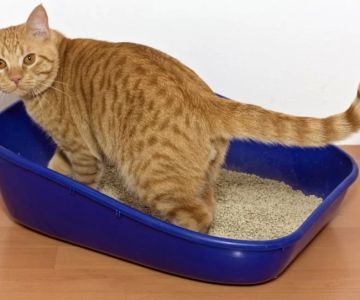
Clicker training isn’t just for cats—small animals like rabbits, guinea pigs, and ferrets can also benefit from this training method. While small animals may not perform tricks in the same way cats do, clicker training can still be useful for reinforcing good behaviors, such as litter box training or encouraging them to come out of their hideaway. 4.1 Training a Rabbit Rabbits are highly trainable and can learn a variety of behaviors, including using a litter box or following simple commands. To teach your rabbit, start by using the clicker whenever they perform a desired behavior. For example, when your rabbit hops into their litter box, immediately click and offer a treat. 4.2 Training Guinea Pigs Guinea pigs may be less likely to perform traditional tricks, but they can learn basic commands such as coming to you when called. Start with short, positive training sessions and reward your guinea pig when they come to you. This can help reinforce good behavior, making them more comfortable with interaction and handling.

5. Real-Life Example: Success with Clicker Training

Take the case of Sam, a pet owner with a playful tabby cat named Whiskers. Sam started using clicker training to teach Whiskers how to sit on command. At first, Whiskers was a little confused by the clicking sound, but after a few sessions of pairing the click with treats, Whiskers quickly learned to sit every time Sam held out a treat. After a few weeks of consistent training, Whiskers not only knew how to sit on command but also began responding to other basic commands, such as “come” and “high five.” Sam was amazed by how quickly Whiskers adapted to the training, and the bond between them strengthened through the shared activity of training.

6. Conclusion: Benefits of Clicker Training for Cats & Small Animals

Clicker training is a powerful tool for enhancing the relationship between you and your cat or small animal. It provides a fun and effective way to teach new behaviors, reinforce good habits, and strengthen your bond. With patience, consistency, and the right tools, clicker training can lead to a well-behaved, happy pet. If you're looking for expert advice or training resources, be sure to visit Hidden Brook Veterinary for the best products and services to support your pet’s training journey.