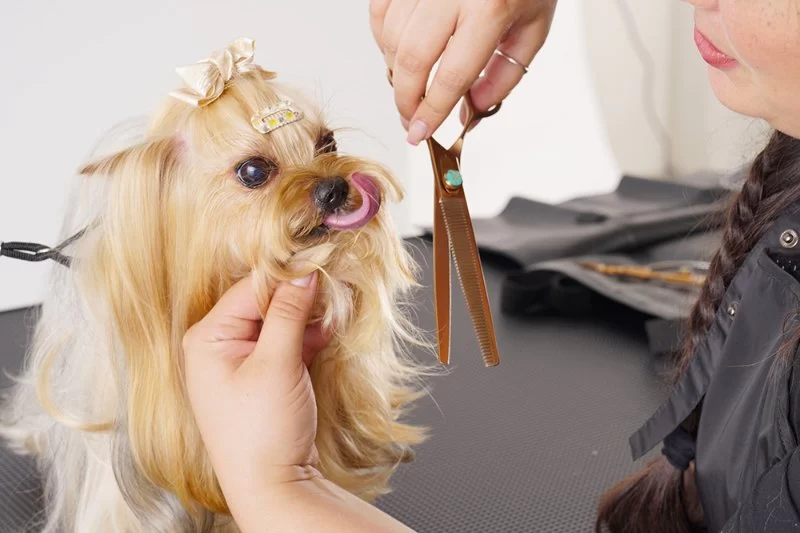
How to Tell If Your Pet Is Anxious About Grooming: Recognizing the Signs
As a pet owner, grooming your furry friend is an essential part of keeping them healthy and happy. However, for some pets, grooming can be a stressful experience. If you’ve noticed your dog or cat becoming restless, fearful, or uncomfortable during grooming sessions, it might be a sign of anxiety. Understanding the signs of grooming anxiety in pets is crucial for creating a calm and positive experience for both you and your pet. Let me walk you through how to recognize grooming anxiety in your pet and how you can help ease their discomfort.
Signs Your Pet May Be Anxious About Grooming
Pets, particularly dogs and cats, can have various reactions to grooming. Some might be more sensitive to certain grooming tools or the process itself. Identifying grooming anxiety early on is important so that you can make the grooming process as stress-free as possible for your pet. Over time, I’ve learned that the following signs often indicate grooming anxiety:
- Excessive Panting or Drooling: When my dog starts panting heavily or drooling more than usual during grooming, it's often a clear sign that he's feeling anxious. These physical signs are a pet’s way of responding to stress, and it’s essential to pay attention to this behavior to avoid overwhelming them further.
- Whining or Crying: One of the first signs of anxiety I’ve noticed is my pet vocalizing more than usual. If your pet is whining or even crying during grooming, it’s a direct indication that they're feeling stressed or uncomfortable. This could happen when they are touched in sensitive areas or when the grooming process feels too intense.
- Restlessness or Fidgeting: An anxious pet may try to escape the grooming area or constantly move around to avoid being groomed. If your pet seems to be trying to wiggle away or fidget during grooming, this could be a sign of anxiety and fear.
- Stiff Body Language or Tense Muscles: Pets that are anxious about grooming might stiffen their bodies or resist the grooming tool, such as clenching their jaws or pulling away from the brush. I’ve noticed that this tension often comes from a fear of the grooming experience itself.
- Trying to Bite or Scratch: In more severe cases of anxiety, pets may become aggressive during grooming. If your pet begins snapping, trying to bite, or using their claws to fight off the grooming process, this could be a reaction to fear or discomfort.
- Hiding or Avoiding Grooming Tools: Some pets, especially those that have had negative experiences in the past, may try to hide when they see grooming tools. I’ve seen my cat run and hide under the bed at the sight of the grooming brush. This avoidance is a clear indicator of anxiety.
What Causes Grooming Anxiety in Pets?
Understanding the underlying causes of grooming anxiety can help you prevent or alleviate it. There are several factors that can contribute to a pet’s fear or discomfort during grooming sessions. Here are some of the common causes:
- Negative Past Experiences: If your pet had an uncomfortable or painful grooming session in the past, they may develop anxiety about the process. I’ve learned that pets, like dogs and cats, have long memories when it comes to negative experiences, and a bad grooming session can leave a lasting impression.
- Fear of Grooming Tools: The sounds and sensations of grooming tools such as clippers, scissors, and brushes can be overwhelming for some pets. I’ve seen my dog react to the sound of nail clippers, which made him anxious before I even started the process.
- Over-sensitivity to Touch: Some pets are more sensitive than others, and certain areas of their bodies may be more sensitive to touch, such as their paws, ears, or tail. If your pet is especially sensitive, they may show signs of anxiety during grooming, particularly when you touch these areas.
- Lack of Familiarity: Pets that are not accustomed to regular grooming may find the process stressful simply because it’s unfamiliar. This is especially common in rescue pets or those who haven’t been groomed regularly. Building positive associations with grooming is key to easing this anxiety.
- Health Issues: If your pet has an underlying medical condition or injury, grooming may become painful or uncomfortable. I’ve learned from experience that pets with arthritis or skin conditions may show signs of discomfort during grooming due to physical pain.
How to Help Your Pet Overcome Grooming Anxiety
Once you've identified that your pet is anxious about grooming, the next step is to help them feel more comfortable. Here are some strategies that have worked for me when dealing with grooming anxiety in my pets:
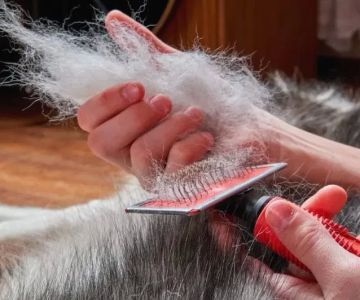
- Start Slowly: Don’t overwhelm your pet by trying to do everything at once. Start with small, manageable grooming tasks, such as brushing their fur or touching their paws gently, and gradually increase the duration and intensity. I’ve found that taking baby steps helped my dog build trust over time.
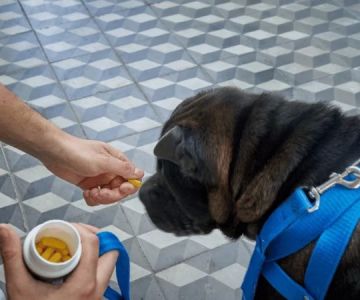
- Use Positive Reinforcement: Reward your pet with treats, praise, or a favorite toy after each grooming session to create a positive association. I always give my cat a treat after grooming to let her know that she did a good job, which helps ease her anxiety the next time.
- Desensitize to Grooming Tools: Let your pet get used to the grooming tools before starting. I’ve found that letting my dog sniff the brush or clippers without immediately using them helped him become more comfortable with the tools. Gradually introduce the tools during playtime or in a calm environment.
- Ensure a Calm Environment: Creating a calm environment is essential. I make sure to keep the grooming area quiet and free from distractions. Soft music or a relaxing atmosphere can also help reduce anxiety.
- Consult a Professional Groomer or Veterinarian: If your pet’s anxiety is severe, it may be worth seeking help from a professional groomer or veterinarian. They can offer specialized techniques or sedation options for grooming. If needed, I recommend visiting a place like Hidden Brook Veterinary for professional advice and services to help manage anxiety in pets.
Grooming is an important part of keeping your pet healthy, and it's possible to make the experience more comfortable for them. By recognizing the signs of anxiety and taking steps to alleviate their stress, you can help your pet feel more at ease during grooming sessions. Whether through positive reinforcement, slow introductions, or seeking professional help, there are plenty of ways to ensure that your pet enjoys a calm and positive grooming experience.