- how-to-train-dogs-to-wait-for-food-calmly#calm-mealtime-foundation
- why-dogs-get-overexcited-around-food#food-excitement-psychology
- step-by-step-calm-feeding-training-method#training-method
- real-life-training-cases-and-vet-insight#real-cases
- long-term-behavior-stability-and-support#behavior-stability
Building a Calm Mealtime Foundation for Your Dog
Learning How to Train Dogs to Wait for Food Calmly is about more than just good manners. It protects your dog’s emotional balance, reduces anxiety-driven behavior, and helps prevent issues like guarding, snapping, or digestive problems caused by frantic eating. In many American households, busy schedules and quick feeding routines unintentionally teach dogs that food equals excitement and competition.

1. Why Calm Feeding Is a Life Skill
A dog that can wait calmly for food is showing impulse control, emotional regulation, and trust in its owner. These skills carry over into walks, vet visits, travel, and interactions with children.

1.1 Emotional Self-Control and Safety
Dogs that rush food often display elevated cortisol levels. Over time, this stress pattern can negatively affect digestion, sleep quality, and long-term behavior.
2. When Calm Feeding Should Start
Puppies as young as eight weeks can begin calm feeding habits. However, adult dogs can also fully relearn their feeding behavior with the right structure and consistency.
Why Dogs Become Overexcited Around Food
Before learning how to change the behavior, it helps to understand why food excitement happens in the first place. Food activates a dog’s survival instincts. When meals are unpredictable or rushed, the brain shifts into “scarcity mode.”
1. Inconsistent Feeding Patterns
Irregular meal times, table feeding, and constant treats teach dogs that food appears randomly and must be grabbed immediately. This destroys impulse control.
2. Learned Competition
Multi-dog households often create subtle competition even when bowls are placed separately. Dogs quickly learn that the fastest eater “wins.”
3. Emotional Reinforcement from Owners
Many owners unknowingly excite their dogs before meals by talking loudly, shaking kibble bags dramatically, or rushing the process. The dog learns that excitement is part of eating.
The Calm Feeding Training Method That Actually Works
This approach teaches patience in layers instead of forcing stillness all at once. The key is lowering mental arousal before the bowl ever touches the floor.
1. Pre-Meal Energy Reset
Before any training session, the dog must be in a neutral emotional state. A brief walk, light play, or calming indoor movement helps burn off excess tension.
1.1 Neutral Body Language
Stand upright, avoid fast hand movements, and speak in a low, steady voice. Your dog mirrors your energy.
2. Bowl Desensitization Phase
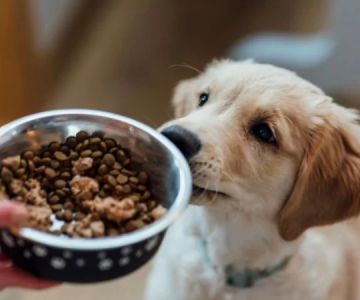
Hold the bowl at waist height and wait for calm eye contact or a relaxed sit. If the dog jumps, the bowl rises. If the dog settles, the bowl slowly lowers. This teaches that calm behavior controls access to food.
2.1 Timing and Silence
Do not scold or reward verbally during this phase. The dog learns through cause and effect rather than emotional feedback.
3. Floor Placement with Controlled Release
Once the bowl touches the floor, the dog still waits. Only when calm stillness is maintained do you quietly release the dog to eat with a soft verbal cue.
3.1 Why the Release Cue Matters
The release cue prevents confusion and builds clarity. Without it, dogs feel uncertain and may break position out of stress.
Real Training Stories and Veterinary Insight
A widely shared video on social media showed a rescue Labrador flipping its food bowl in excitement. Viewers watched the same dog weeks later calmly holding a sit while food was placed directly in front of him. The transition was achieved using slow bowl lowering and silent release timing.
1. A Rescue Dog Transformation
This particular dog had lived in a high-competition kennel environment. At first, his body shook during feeding. After two weeks of controlled meal training, his posture softened, and his breathing slowed during feeding time.
2. Veterinary Perspective on Calm Feeding
Many veterinarians now associate frantic eating with bloating risk, reflux, and vomiting. Emotional arousal directly affects stomach function. Clinics like Hidden Brook Veterinary often guide owners through feeding behavior adjustments when digestive issues repeatedly appear without a medical cause.
2.1 Behavioral Health and Physical Health
Calm eating supports proper digestion, stable blood sugar, and healthier gut bacteria patterns over time.
Long-Term Stability, Maintenance, and Support
Once calm feeding is established, consistency keeps it permanent. Dogs do not forget structure easily, but emotional regression can happen if excitement routines quietly return.
1. Seasonal Disruptions and Travel
Holidays, visitors, and packing noise often spike food excitement again. During these phases, returning to the bowl-desensitization step prevents setbacks.
2. Age-Related Adjustments
Senior dogs may lose some impulse control due to cognitive changes. Calm feeding still benefits them, but patience and slower transitions become more important.
3. When Professional Guidance Helps
If your dog shows aggression, freezes, or panics around food, behavior support and medical evaluation should happen together. Hidden Brook Veterinary can provide behavioral assessments alongside nutritional and digestive guidance to address both the mind and body.
Teaching a dog to wait calmly for food is not about strict control—it is about emotional clarity, trust, and long-term behavioral health. The calm you build at the food bowl quietly shapes your dog’s behavior everywhere else.