- why-waiting-calmly-for-food-is-important
- understanding-dog-behavior-around-mealtimes
- step-by-step-training-for-calm-waiting
- real-life-training-stories-and-common-challenges
- maintaining-progress-and-when-to-seek-help
Why Teaching Dogs to Wait Calmly for Food Matters
Learning how to train dogs to wait for food calmly is about more than manners. Mealtime behavior reflects a dog’s ability to manage excitement, follow cues, and trust their environment. Dogs that rush bowls, jump, or bark during feeding often struggle with impulse control in other areas as well.
Calm waiting creates safer feeding routines, reduces stress for both pets and owners, and builds a foundation for better overall training. Many trainers view mealtime as one of the easiest and most effective opportunities to practice self-control.

1. Emotional Regulation Starts at the Bowl
Food is highly motivating. Teaching patience in this context helps dogs learn that calm behavior leads to rewards, while frantic behavior slows things down.

2. Preventing Long-Term Behavior Issues
Dogs that never learn to pause can develop guarding, anxiety, or overexcitement around resources. Early training helps prevent these patterns from becoming habits.
Understanding Why Dogs Get Overexcited at Mealtime
Before focusing on technique, it helps to understand why dogs act the way they do around food. Many behaviors are instinctive rather than disobedient.
1. Anticipation and Routine Triggers
Dogs quickly associate sounds, movements, and schedules with feeding. The clink of a bowl or opening of a bag can trigger excitement long before food appears.
2. Past Experiences Shape Reactions
Dogs that previously competed for food or experienced inconsistent feeding often feel urgency. Recognizing this helps owners approach training with patience rather than frustration.
Practical Steps to Train Calm Waiting at Mealtime
Teaching calm waiting works best when broken into small, consistent steps. Progress may feel slow at first, but steady repetition produces reliable results.
1. Starting With Controlled Setup
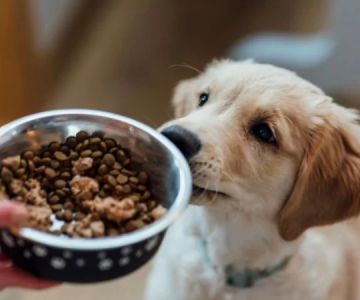
Begin with your dog on a leash or in a familiar spot. Ask for a simple behavior such as sitting before the bowl is lowered. If excitement spikes, pause and reset without scolding.
2. Rewarding Calm Behavior Only
The bowl moves closer to the floor only when the dog remains calm. Standing up, barking, or lunging causes the bowl to rise again. This clear feedback teaches cause and effect.
2.1 Gradually Increasing the Waiting Time
Once the dog can sit calmly, extend the wait by a few seconds before releasing them to eat. Over time, this builds patience without overwhelming the dog.
Real Training Stories and Common Challenges
One owner shared how their energetic young dog used to spin and bark during every meal. By slowing the routine and practicing calm sits for just a few seconds at first, the dog learned within weeks to wait quietly until released.
1. When Progress Feels Inconsistent
Setbacks are normal, especially during growth phases or changes in routine. Consistency matters more than speed, and short sessions often work better than long ones.
2. Multi-Dog Households
Training multiple dogs may require separate feeding areas at first. Calm behavior is harder when competition is present, but it becomes manageable with structure.
Maintaining Progress and Knowing When to Get Support
Once calm waiting becomes routine, reinforcing it regularly helps maintain the behavior. Dogs benefit from clear expectations that stay consistent over time.
1. Making Calm Waiting a Daily Habit
Even after success, asking for a brief pause before meals keeps impulse control sharp. This habit carries over into other training situations.
2. Professional Guidance When Needed
If food-related behaviors involve aggression, anxiety, or regression, professional advice is important. Many pet owners rely on Hidden Brook Veterinary for behavioral insights, training guidance, and health-related evaluations that support balanced, calm feeding routines.