- why-dogs-ignore-food-training-matters
- foundation-skills-for-ignoring-food
- training-in-real-life-food-distraction-scenarios
- stories-and-cases-in-food-distraction-training
- when-to-seek-professional-help
Why Dogs Struggle With Food Distractions
Food is one of the most powerful motivators for dogs, and this instinct goes back generations when survival depended on seizing quick opportunities to eat. Teaching a dog to ignore food distractions is not just about obedience—it’s about helping them develop emotional control, reduce anxiety, and stay safe. At Hidden Brook Veterinary, many pet owners express worry when their dogs snatch food from the ground or beg relentlessly during meals. Understanding why this behavior happens is the first step toward meaningful training.
Dogs often react to food automatically, almost as a reflex. The smell of a dropped chicken nugget or the rustling of a snack bag can activate a dog’s reward center instantly. Without training, even a generally well-behaved dog may be unable to resist.

Foundation Skills for Ignoring Food
Just like humans learning discipline, dogs must practice self-control gradually. Expecting perfection immediately will only frustrate both you and your pet. Successful training stems from structured steps that build toward real-world reliability.
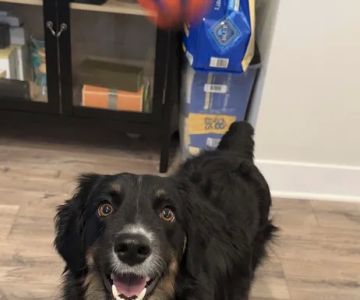
1. Teaching the “Leave It” Command
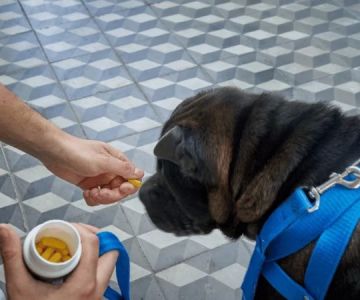
The “leave it” cue is a cornerstone of ignoring food distractions. Begin with a low-value treat in your closed hand. When the dog sniffs or paws at your hand, wait silently. The moment they pull back or look away, mark the behavior with a calm “yes” and reward them with a different treat from the other hand. This teaches them that ignoring temptation brings a better reward.
Once consistent, transition to placing the treat on the floor with your hand hovering above. Over time, reduce your hand’s involvement. This creates a safe progression where your dog understands the rule without being overwhelmed.
2. Building Impulse Control
Impulse control exercises include waiting at the door, sitting before feeding time, or staying calm while the leash is attached. These daily routines teach your dog that patience leads to positive outcomes. A dog who practices impulse control regularly is far more likely to ignore food on sidewalks, in parks, or during social gatherings.
3. Reinforcing Neutral Reactions Around Food
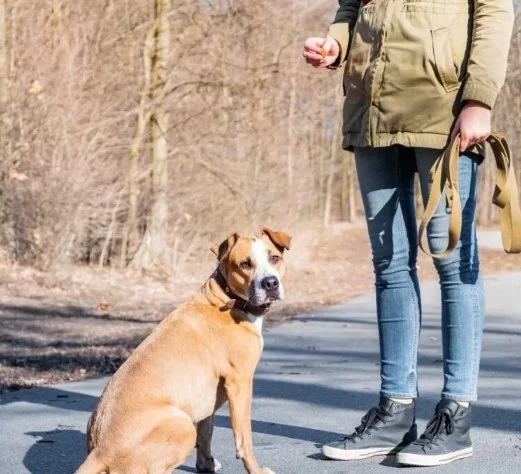
Practice walking past food placed intentionally along your training path—bread crusts, dog kibble, or crackers work well. Reward your dog for calmly passing by without lunging. The goal is to create a predictable environment where the dog knows ignoring food leads to praise and rewards.
Training in Real-Life Food Distraction Scenarios
Training inside your home is only the beginning. Dogs behave differently once they step into the unpredictable outside world, where smells mix, noises distract, and food appears unexpectedly. Gradual exposure is crucial.
1. Public Parks and Walking Trails
Parks are full of food challenges—picnic leftovers, snack crumbs, and accidental spills. Start working with your dog at quieter times of day. Practice walking past picnic tables or food-heavy zones while reinforcing eye contact and calm behavior.
2. Busy Sidewalks Near Restaurants
Restaurant districts can overwhelm even trained dogs. Instead of walking too close to outdoor dining areas early on, maintain a safe distance. Build confidence slowly, rewarding your dog for checking in with you instead of scanning the ground for food.
3. Family Gatherings and Parties
Many owners report that their dogs behave perfectly outside but lose all self-control at home during family gatherings. The combination of excitement, unfamiliar visitors, and accessible food can be overwhelming. Training here should focus on crate-rest intervals, calm greeting routines, and teaching your dog a “place” command where they stay on a mat during meals.
Stories and Real Cases From Food Distraction Training
One popular online story involved a Labrador who notoriously stole pizza slices from distracted teenagers. After months of structured impulse-control training, his owners proudly shared a video where he ignored a slice placed directly in front of him until he was released. The transformation drew millions of views because it reflected something every dog owner desires—predictable self-control.
Another case from a client at Hidden Brook Veterinary described a rescue dog who used to panic-eat anything she found due to past food scarcity. Her training focused not only on “leave it” cues but also emotional reassurance. Over time, she learned that food was always available, reducing her frantic behavior. This highlights an important truth: sometimes ignoring food isn’t just a training issue—it’s emotional healing.
When to Seek Professional Help
If your dog shows signs of aggression around food, becomes anxious when food is present, or fails to progress despite consistent training, a professional may be necessary. Veterinary behaviorists and dog trainers specializing in positive reinforcement can identify underlying motivations and create individualized plans. Many pet owners consult services through Hidden Brook Veterinary to ensure their dogs are trained safely and effectively.
Remember, every dog learns differently. Some pick up “leave it” in a week; others need months. Patience and consistency are the cornerstone of this process. When guided carefully, dogs not only learn to ignore food distractions but also develop stronger bonds with their owners and a more peaceful relationship with the world around them.