1. Introduction
Taking your dog to crowded places such as parks, shopping malls, or public events can be a challenge. Many dogs struggle with the overstimulation that comes from large crowds, noises, and unfamiliar smells. Training your dog to behave in these settings is essential for both their well-being and your peace of mind. In this article, we’ll explore effective methods to train dogs to behave in crowded places, ensuring a positive experience for both of you.

2. Understanding the Challenges of Crowded Places
Dogs are naturally sensitive to their environment, and the constant movement, noise, and unfamiliar smells of crowded places can overwhelm them. Some dogs may become anxious, reactive, or even aggressive when exposed to such settings. Recognizing the signs of stress in your dog and understanding their triggers is the first step in addressing these issues.

2.1 Why Dogs Struggle in Crowded Places
The overwhelming sensory input in crowded places can cause dogs to feel stressed or anxious. Loud noises, such as traffic or people talking, can trigger a fear response. Additionally, the lack of space and the proximity of strangers or other dogs can make them feel threatened. Socialization and positive reinforcement are key to helping your dog manage these situations effectively.
3. Preparing Your Dog for Crowded Environments
Before you take your dog to a crowded place, it’s important to ensure they are well-prepared. This involves gradually acclimating them to different environments and using training techniques to reduce their anxiety and improve their behavior.
3.1 Start with Controlled Socialization
Begin by introducing your dog to less crowded areas, such as a quiet park or a local pet-friendly store. Gradually increase the level of activity by exposing them to more people, other dogs, and various environmental stimuli. This slow exposure helps desensitize your dog to the chaos of crowded places.
3.2 Teach Basic Commands and Leash Manners
Before venturing into busy areas, ensure that your dog is familiar with basic commands such as “sit,” “stay,” and “heel.” These commands can help you maintain control over your dog in public spaces. Practice walking on a leash in calm settings to teach your dog proper leash manners, such as not pulling or lunging. A well-behaved dog on a leash is less likely to become overwhelmed in crowded places.
4. Training Techniques for Crowded Places
Once your dog is comfortable with basic training and controlled socialization, you can begin introducing them to actual crowded environments. Using positive reinforcement and specific training techniques will help your dog remain calm and composed.
4.1 Use Positive Reinforcement
Positive reinforcement is one of the most effective dog training techniques. Reward your dog with treats, praise, or affection when they display calm behavior in a crowded setting. This helps them associate crowded places with positive experiences, making them more likely to remain composed in similar situations in the future.
4.2 Gradually Increase Exposure
Start by taking your dog to less busy areas and gradually increase the level of activity as they become more comfortable. You might begin with quieter times at a shopping mall or public park before progressing to busier times or events. By slowly exposing them to more challenging situations, you help them build confidence and adapt to the stimuli around them.
4.3 Practice Focus Exercises
When in crowded places, teaching your dog to focus on you is crucial. Practice focus exercises, such as “look at me” or “watch,” to help redirect your dog’s attention away from distractions. This can be particularly useful when they start to become anxious or distracted by their surroundings.
4.4 Manage Stress with Calming Tools
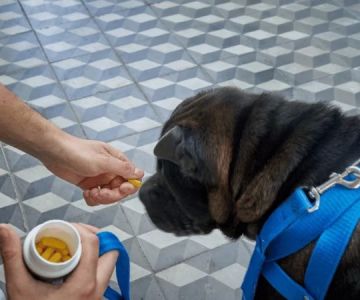
Some dogs may need extra support to stay calm in busy environments. Consider using calming tools such as anxiety wraps, calming collars, or even natural supplements designed to help reduce stress. These tools, when used in conjunction with training, can make a significant difference in how your dog reacts to crowded places.
5. Real-Life Success Story
One of our clients, Sarah, shared how she trained her rescue dog, Max, to behave in crowded environments. Max was initially very anxious around people and other dogs, especially in places like parks and malls. By starting with quiet environments and using positive reinforcement, Sarah was able to help Max gradually adjust. After months of consistent training, Max now enjoys going to crowded events and stays calm even when surrounded by a large group of people.
6. Conclusion
Training your dog to behave in crowded places takes time, patience, and consistency, but the results are well worth the effort. By understanding your dog’s needs, using effective training techniques, and gradually exposing them to more challenging environments, you can help them feel confident and calm in any situation. If you're unsure where to start, or need professional advice on your dog’s behavior, don't hesitate to visit Hidden Brook Veterinary for expert guidance and services.