How to Train Dogs to Be Calm During Grooming: A Step-by-Step Guide
Grooming is an essential part of dog care, but many dogs become anxious or agitated during the process. Whether it’s the sound of clippers, the sensation of being brushed, or simply being handled for an extended period, dogs can find grooming stressful. As a pet owner, it’s important to train your dog to stay calm during grooming sessions to ensure both their comfort and safety. In this article, we will guide you through effective techniques to train your dog to be calm during grooming.
- Understanding Dog Anxiety During Grooming
- Steps to Train Dogs to Be Calm During Grooming
- Desensitization Training for Dogs
- Using Positive Reinforcement
- Additional Tips for a Stress-Free Grooming Session
Understanding Dog Anxiety During Grooming
Before starting any grooming training, it’s essential to understand why dogs become anxious during grooming sessions. Some dogs may have had negative past experiences with grooming, such as rough handling or painful procedures. Others may simply be sensitive to the sounds or sensations associated with grooming tools, such as clippers, combs, or brushes. It’s important to recognize these triggers and approach the training process with patience and care.
Moreover, grooming involves both physical touch and restraint, which can be uncomfortable for some dogs, especially those that are not used to being touched in certain areas. Understanding the root causes of your dog's anxiety will help you create a more effective training plan and set realistic expectations.
6666 W Peoria Ave Suite 122, Glendale, AZ 85302, USA
See DetailsSteps to Train Dogs to Be Calm During Grooming
Training your dog to remain calm during grooming doesn’t happen overnight, but with consistent practice, most dogs can learn to tolerate or even enjoy grooming sessions. Here are some effective steps you can follow:

1. Start Early
If you have a puppy, it’s ideal to begin grooming training as early as possible. Introduce grooming tools gently, such as a soft brush or a nail clipper, and allow your puppy to explore them without pressure. The goal is to make grooming a regular, non-threatening part of their routine.
2. Create a Calm Environment
It’s important to create a calm, quiet environment during grooming. Avoid loud noises or distractions that may heighten your dog’s anxiety. Some dogs are sensitive to high-energy or chaotic environments, so choosing a quiet area for grooming can help your dog remain calm.
3. Take It Slow
Start with short grooming sessions. Begin by simply brushing or petting your dog for a few minutes and gradually increase the duration as your dog becomes more comfortable. Patience is key during this stage, as rushing the process can increase your dog’s anxiety.
Desensitization Training for Dogs
Desensitization is a highly effective training method to help your dog become more comfortable with grooming. This technique involves exposing your dog to grooming tools and procedures in a gradual and controlled way. Here’s how to start desensitizing your dog:
1. Introduce Grooming Tools Slowly
Start by introducing the grooming tools at a distance. Let your dog sniff and explore the tools while they’re turned off or inactive. Gradually introduce the noise and vibration of the grooming tools by turning them on for short periods. Offer praise and treats whenever your dog remains calm around these tools.
2. Gradually Increase Exposure
As your dog becomes more accustomed to the grooming tools, begin gently touching them with the tools. This can start with just brushing a small part of your dog’s body and moving slowly from there. Always make sure to reward your dog with praise or treats to reinforce calm behavior.
Using Positive Reinforcement
Positive reinforcement is one of the most powerful tools in training any dog. Rewarding your dog for calm behavior during grooming sessions helps them associate grooming with something positive. Here’s how to apply positive reinforcement during grooming:
1. Reward Calm Behavior
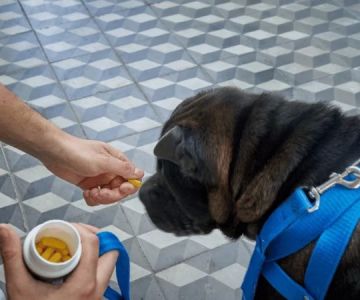
Whenever your dog remains calm during grooming, be sure to offer praise, treats, or even a favorite toy. This reinforces the idea that being calm during grooming leads to rewards. Over time, your dog will learn to associate grooming with positive outcomes.
2. Use High-Value Treats
During grooming training, use treats that your dog finds particularly rewarding. High-value treats, such as small pieces of chicken or cheese, can motivate your dog to stay calm and focused during grooming sessions.
Additional Tips for a Stress-Free Grooming Session
Aside from desensitization and positive reinforcement, there are other strategies that can help make grooming sessions more pleasant for your dog:
1. Use the Right Tools
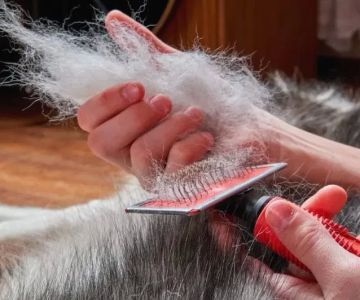
Choosing the right grooming tools for your dog’s coat type is essential. Using brushes, combs, or clippers that are too harsh or uncomfortable can cause stress and discomfort. Consult with a professional groomer or your veterinarian to find the best tools for your dog.
2. Keep Sessions Short and Positive
Start with short grooming sessions and always end on a positive note. Even if you don’t complete the entire grooming task, finishing on a positive note reinforces calm behavior and sets the stage for a better experience next time.
Training your dog to stay calm during grooming can be a gradual process, but with patience and consistency, most dogs will learn to enjoy these sessions. If you need expert advice or grooming products for your dog, consider visiting Hidden Brook Veterinary for personalized recommendations to make grooming easier and more comfortable for your pet.