- Why Sit/Stay Distance Training Is Important
- Step-by-Step Guide to Training Dogs for Sit/Stay Distance
- Common Challenges in Distance Training and How to Overcome Them
- Real-Life Case Study: Training Dogs for Sit/Stay Distance
- When to Seek Professional Help for Dog Training
1. Why Sit/Stay Distance Training Is Important
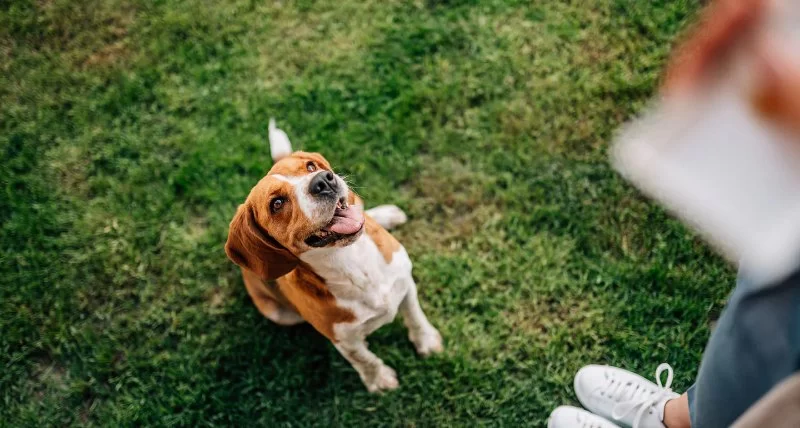
Training your dog to reliably perform a sit/stay at a distance is a crucial skill for both daily life and emergencies. Whether you need your dog to stay while you answer the door, or want to prevent them from darting into the street, mastering distance training builds trust, control, and focus. It also enhances your dog’s overall obedience and ability to follow commands, even in distracting environments.
Reliable sit/stay behavior at a distance allows you to manage your dog in a variety of situations — from public spaces to family gatherings. In addition to being practical, distance training helps improve your dog’s self-control and mental stimulation, preventing behaviors like jumping, barking, or running away.

2. Step-by-Step Guide to Training Dogs for Sit/Stay Distance
Training a dog to sit/stay at a distance requires patience, consistency, and positive reinforcement. Here’s a breakdown of how to build this important skill:

2.1 Start With Basic Sit/Stay
Before introducing distance, ensure your dog is fully trained in the basic sit and stay commands. Your dog should be able to stay in place for extended periods without moving, even when distracted. Work on sit/stay in a calm environment, gradually increasing the duration and level of distraction before moving on to distance training.
2.2 Introduce Distance Slowly
Once your dog can hold the sit/stay command reliably, begin increasing the distance gradually. Start by taking a few steps back and then return to reward your dog for maintaining the stay. Over time, increase the distance in small increments, ensuring your dog remains in the stay position. This gradual progression helps them build confidence and control without becoming overwhelmed.
2.3 Use Positive Reinforcement
Positive reinforcement is key to encouraging the behavior you want. Each time your dog successfully remains in the sit/stay position at a distance, reward them with praise, treats, or play. This strengthens the association between staying in place and receiving rewards, encouraging your dog to repeat the behavior.
2.4 Introduce Distractions
After your dog has mastered sitting and staying at a distance in a controlled environment, introduce mild distractions, such as toys, noises, or other people. Start with low-level distractions and gradually increase the challenge. Keep sessions short and fun to maintain your dog’s focus and prevent frustration.
3. Common Challenges in Distance Training and How to Overcome Them
Training a dog to stay at a distance can present challenges, but they are all manageable with the right approach. Some common difficulties include:
3.1 Lack of Focus
If your dog becomes distracted or struggles to stay focused, return to shorter distances and work in a distraction-free environment. Gradually reintroduce distractions and increase the distance at a pace your dog can handle.
3.2 Moving During the Stay
If your dog breaks the stay by moving, gently guide them back to the original position without punishment. Reinforce the stay with positive reinforcement each time they hold the position correctly. It’s important to stay patient and consistent as your dog learns the behavior.
3.3 Overcoming Impatience
Training at a distance requires time and consistency. It’s important to set realistic expectations for your dog’s learning process. Avoid rushing the steps or pushing your dog too quickly. Break the training into manageable sessions to keep it enjoyable for both of you.
4. Real-Life Case Study: Training Dogs for Sit/Stay Distance
A dog owner shared their experience with teaching their high-energy dog, Max, to sit/stay at a distance. Initially, Max would only stay in place for a few seconds before running over to play. Through patience and consistent training, the owner gradually increased the distance, starting with just a few feet and building up to 15 feet in the living room. After several weeks, Max was able to stay reliably at a distance, even when guests walked past him or the front door opened.
Max’s owner credited the success to gradual steps, lots of praise, and understanding when Max needed extra time to adjust. This case is a great example of how small, consistent training efforts can lead to big improvements in a dog’s behavior and obedience.
5. When to Seek Professional Help for Dog Training
While most dogs can be trained to sit/stay at a distance with consistent effort, some dogs may require professional guidance. If your dog struggles with focus, anxiety, or excessive excitement, a professional trainer can offer specialized techniques to address these issues. Additionally, behavioral problems, such as stubbornness or excessive energy, can be mitigated with targeted training strategies from an expert.
At Hidden Brook Veterinary, we can connect you with skilled trainers who offer personalized advice and training programs to suit your dog’s specific needs. Professional guidance can make all the difference in ensuring your dog’s success and comfort throughout the training process.