- #how-to-support-recovery-after-orthopedic-surgery–understanding-the-healing-process
- #orthopedic-rehabilitation–key-steps-for-effective-recovery
- #nutrition-and-lifestyle–enhancing-post-surgery-healing
- #pain-management-and-physical-therapy–balancing-rest-and-activity
- #emotional-support-and-professional-guidance–ensuring-a-smooth-recovery-journey
1. How to Support Recovery After Orthopedic Surgery – Understanding the Healing Process
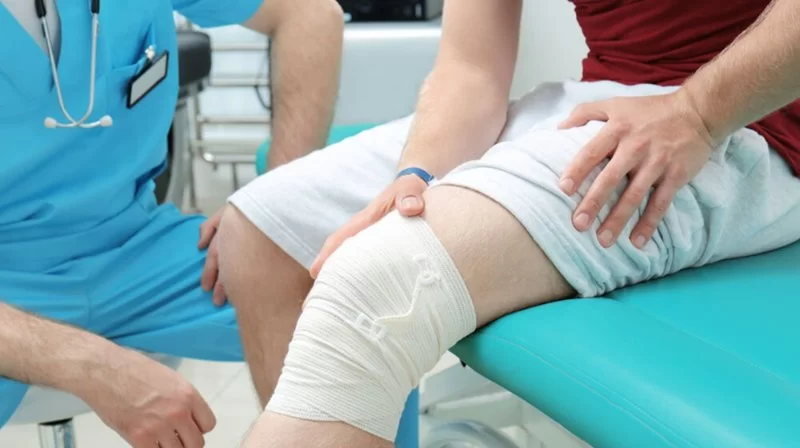
When learning how to support recovery after orthopedic surgery, the first step is understanding what your body is going through. Orthopedic surgeries—whether for joint replacement, ligament repair, or fracture correction—are major procedures that demand patience and consistent care. Healing involves more than physical rest; it’s a coordinated process that includes inflammation control, muscle rebuilding, and gradual restoration of movement.
The recovery timeline can vary greatly depending on the surgery type and individual health factors. For instance, a hip replacement might take 6–12 weeks for initial recovery, while spinal procedures may require longer rehabilitation. Many patients underestimate the emotional toll of recovery—feeling frustrated when progress seems slow. However, maintaining a positive mindset and following a structured recovery plan are just as important as medication or physical therapy. At Hidden Brook Veterinary, we often emphasize holistic recovery—not only for pets but also as inspiration for human healing: consistent care, proper nutrition, and supportive environments accelerate recovery in all species.
7280 Clairemont Mesa Blvd, San Diego, CA 92111, USA
See Details2. Orthopedic Rehabilitation – Key Steps for Effective Recovery
Rehabilitation after orthopedic surgery focuses on rebuilding strength and mobility while preventing complications. Doctors typically recommend a phased approach, beginning with controlled movement to reduce stiffness and enhance circulation. Over time, physical therapy introduces low-impact exercises such as stationary biking, gentle stretches, or aquatic therapy to improve flexibility and endurance.
Adhering to your therapy schedule is vital. Many patients report slower recovery when skipping sessions, thinking rest alone will suffice. In reality, too much inactivity can lead to stiffness and muscle atrophy. A common success story involves patients who combine prescribed exercises with small daily activities like walking indoors or practicing gentle balance drills. Consistency is the real game-changer. For those recovering at home, arranging professional assistance—whether from a rehabilitation center or through a trusted service provider like Hidden Brook Veterinary’s recommended partners for mobility support products—can make rehabilitation safer and more efficient.
2547 John Hawkins Pkwy Suite 103, Hoover, AL 35244, USA
See Details3. Nutrition and Lifestyle – Enhancing Post-Surgery Healing
Nutrition plays a critical role in post-surgery recovery. After an orthopedic procedure, your body requires additional protein, vitamins, and minerals to repair tissues and strengthen bones. Foods rich in Vitamin C, D, calcium, and zinc promote collagen production and reduce inflammation. Including lean meats, leafy greens, dairy alternatives, and fruits like oranges or berries helps support faster wound healing and energy restoration.
Hydration is another key component often overlooked. Dehydration slows cellular repair and increases fatigue. Likewise, avoiding alcohol and smoking accelerates recovery since both interfere with bone regeneration and blood flow. Real-world recovery stories show a dramatic difference between patients who adopt a nutrient-rich diet and those who rely solely on medication. If managing post-operative nutrition feels challenging, consult professionals or explore recovery-friendly wellness products recommended through Hidden Brook Veterinary’s expert resources for holistic health support.
4. Pain Management and Physical Therapy – Balancing Rest and Activity
Pain after orthopedic surgery is expected but manageable. Effective pain control allows for better participation in physical therapy and prevents mental burnout. Doctors may prescribe anti-inflammatory drugs or recommend natural alternatives like ice therapy and gentle massage. However, the true art of recovery lies in finding the right balance between rest and activity.
Overexertion can cause swelling and setbacks, while too much rest slows muscle regeneration. Experts advise following a “listen to your body” approach—if pain increases sharply during activity, it’s a sign to pause and adjust. A powerful real-life case comes from a knee replacement patient who focused on steady progress over speed. Instead of rushing recovery, they worked closely with their therapist, slowly rebuilding strength without overstraining. Within months, mobility was restored far beyond initial expectations.
At Hidden Brook Veterinary, we often highlight the same principle in pet rehabilitation: consistent, mindful movement achieves the best long-term results. Whether it’s your furry companion or yourself, sustainable recovery is built on patience and care.
5. Emotional Support and Professional Guidance – Ensuring a Smooth Recovery Journey
Emotional well-being is frequently overlooked in orthopedic recovery. Surgery disrupts daily routines and independence, which can lead to anxiety or depression. Building a strong support network—family, friends, or even online recovery communities—provides motivation and emotional balance. Sharing milestones, however small, helps maintain focus and optimism throughout the healing process.
Professional guidance is equally essential. Surgeons, physical therapists, and recovery specialists ensure that progress aligns with medical expectations. Scheduling follow-ups allows early detection of issues such as infection, joint stiffness, or uneven gait development. With the right guidance, patients can safely push boundaries while avoiding setbacks. If you’re seeking professional recovery resources or mobility aids to enhance comfort at home, explore the tailored services and trusted recommendations available through Hidden Brook Veterinary.
Ultimately, supporting recovery after orthopedic surgery is about harmonizing physical healing, mental strength, and consistent care. Every step—no matter how small—is a victory toward full restoration of movement and confidence.