How to Support Recovery After Orthopedic Surgery
Orthopedic surgery can be a life-changing step for pets dealing with fractures, joint instability, or ligament damage. Whether the procedure was performed on a dog or a cat, the days and weeks that follow play a powerful role in how well mobility, strength, and confidence return. Knowing how to support recovery after orthopedic surgery is not about rushing healing—it’s about protecting it with patience, structure, and steady care.
Why Orthopedic Recovery Requires Patience
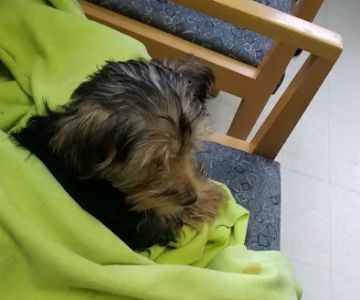
Bones, joints, tendons, and ligaments heal differently than surface wounds. These deeper tissues rebuild slowly, layer by layer, as blood supply, muscle engagement, and nerve signaling gradually normalize. Even when a pet seems eager to move normally again, internal healing may still be fragile.
This is often the hardest part for pet owners to accept. Animals don’t always understand physical limits, so guardians become the protectors of the healing process.
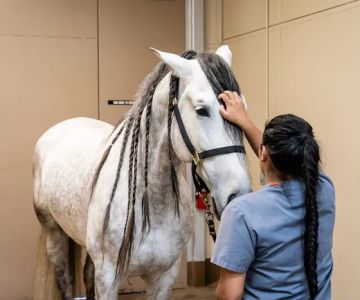
The First Days After Surgery at Home
How Pets Commonly Feel During Early Recovery
The first few days after orthopedic surgery are often marked by confusion, discomfort, and emotional vulnerability. Pets may move cautiously, sleep more than usual, or appear unsettled as anesthesia fully leaves their system. Some animals seek extra closeness, while others withdraw and rest quietly.
These early reactions are part of the adjustment phase as the body begins its healing work. Calm observation during this period helps owners recognize what feels normal for their individual pet.
Why Strict Activity Control Is Important Early On
Even brief bursts of uncontrolled movement—jumping, twisting, or slipping—can compromise surgical repairs. That is why early recovery typically emphasizes limited movement, secure footing, and quiet routines. Protection during this stage prevents setbacks that could delay healing.
Creating a Safe Recovery Environment at Home
How Home Layout Affects Healing
A pet’s environment becomes part of the recovery toolkit. Slippery floors, crowded furniture paths, or access to stairs increase the risk of accidental strain. Many owners temporarily confine recovery to one quiet room with non-slip surfaces and easy access to food, water, and rest areas.
Comfort Without Overstimulation
Padded bedding, stable temperatures, and low household noise help reduce stress during recovery. Stress hormones can interfere with healing, so emotional calm matters just as much as physical safety.
Supporting Mobility and Emotional Confidence
Why Confidence Often Returns Before Strength
Many pets regain emotional readiness to move before their body is fully prepared. They may attempt to walk, climb, or play before strength and coordination are restored. Gentle guidance helps balance that enthusiasm with safety.
As mobility improves, confidence grows in parallel. Each successful, pain-free movement reinforces trust in the healing limb.
The Role of Structure and Routine
Pets recover best when daily routines are predictable. Feeding times, rest periods, quiet interaction, and movement windows help regulate both physical recovery and emotional security. Routine reassures animals that their world remains stable even when their body feels different.
Why Nutrition and Emotional Support Influence Recovery
Healing From the Inside
Tissue repair relies on consistent nutritional support. Appetite changes during early recovery are common, but maintaining steady nourishment helps fuel muscle rebuilding and wound repair. Hydration also supports circulation and joint health throughout the recovery process.
How Emotional Reassurance Affects Physical Progress
Animals are deeply affected by their caregiver’s emotional state. Gentle voice tones, calm handling, and patient reassurance reduce anxiety and help regulate stress during recovery. Emotional security reduces cortisol levels, which supports more efficient physical healing.
A Real Dog Recovery Story After Leg Surgery
A Labrador retriever named Max underwent orthopedic surgery after tearing a ligament while playing in the yard. His family described the first two weeks as emotionally challenging. Max wanted to run again almost immediately, but he had to relearn how to trust his repaired leg.
With structured rest, consistent routines, and gradual mobility rebuilding under veterinary guidance, Max slowly regained both strength and confidence. Months later, he returned to light play—calmer, steady, and moving with renewed ease. His family shared that patience was the hardest but most meaningful part of his recovery.
Why Ongoing Veterinary Guidance Matters
How Hidden Brook Veterinary Supports Post-Surgical Recovery
Orthopedic recovery does not end when a pet leaves the clinic. Ongoing follow-up, mobility monitoring, and recovery planning help ensure that healing continues on the right path. Hidden Brook Veterinary provides structured recovery guidance that supports both physical healing and long-term comfort for pets after orthopedic procedures.
This type of professional oversight helps families feel confident that their pet’s progress aligns with realistic healing expectations.
Why Each Recovery Journey Is Unique
Age, overall health, surgery type, emotional temperament, and home environment all influence recovery speed. Some pets regain confidence quickly, while others progress more cautiously. Comparing one pet’s journey to another often creates unnecessary frustration. The most successful recoveries focus on steady, individualized progress rather than timelines.
How Recovery Strengthens the Human–Pet Bond
The weeks following orthopedic surgery often deepen trust between pets and their families. Through quiet companionship, gentle assistance, and careful protection, pets learn that their caregivers are steady guardians of their comfort and safety. Recovery becomes more than a physical process—it becomes a shared journey built on patience, reassurance, and resilience.