Why Some Dogs Chew Destructively and How to Stop It
1. Introduction: Understanding Destructive Chewing in Dogs
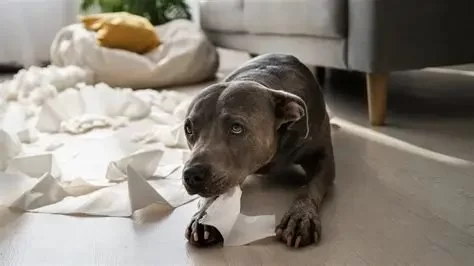
If you’re a dog owner, you’ve likely experienced the frustration of finding your favorite pair of shoes chewed up or the furniture scratched and destroyed. Destructive chewing is a common behavior in dogs, but it’s not always easy to understand why it happens. In this article, we’ll explore why some dogs chew destructively and how you can effectively stop this behavior to keep your home intact and your dog happy.

2. Common Reasons Why Dogs Chew Destructively
Chewing is a natural behavior for dogs, but when it turns destructive, it can become a problem. There are several reasons why dogs engage in destructive chewing, and understanding the cause is the first step in addressing the issue.

VCA Arboretum View Animal Hospital, 2551 Warrenville Rd, Downers Grove, IL 60515, USA
See Details2.1 Teething in Puppies
One of the most common reasons puppies chew destructively is teething. Just like human babies, puppies go through a teething phase where their baby teeth fall out, and their adult teeth grow in. This can be painful, so puppies may chew on anything they can find to relieve discomfort. Providing appropriate chew toys during this time can help redirect their chewing behavior.
2.2 Boredom and Lack of Stimulation
Dogs need both physical and mental stimulation. If they don’t get enough exercise or attention, they may resort to chewing as a way to entertain themselves. Destructive chewing is often a sign that your dog is bored or under-stimulated, so it’s important to make sure they are getting enough playtime and activities that challenge their minds.
2.3 Separation Anxiety
Dogs with separation anxiety may chew destructively when left alone. The stress and fear of being separated from their owner can lead to excessive chewing and even damage to furniture, doors, or walls. If your dog’s chewing is triggered by anxiety, you may need to address the underlying emotional issues through training or therapy.
2.4 Attention-Seeking Behavior
Sometimes, dogs chew destructively because they want attention. If they notice that chewing on furniture or shoes gets a reaction from you—whether it’s positive or negative—they may repeat the behavior to get more attention. In this case, it’s important to avoid reinforcing the behavior by giving your dog attention when they chew destructively.
3. How to Stop Destructive Chewing
Stopping destructive chewing in dogs requires understanding the cause and implementing a combination of strategies. Below are some effective ways to reduce or eliminate this behavior.
3.1 Provide Appropriate Chew Toys
One of the most effective ways to stop destructive chewing is to provide your dog with safe, appropriate chew toys. Chew toys help satisfy your dog’s natural chewing instinct and provide an outlet for their energy. Choose durable toys that can withstand heavy chewing, and make sure to rotate toys regularly to keep your dog’s interest.
3.2 Increase Physical and Mental Stimulation
Make sure your dog gets enough exercise and mental stimulation. Regular walks, playtime, and interactive games can help keep your dog entertained and reduce the likelihood of destructive chewing. Consider engaging in activities like puzzle games, agility training, or scent work to challenge your dog’s mind and keep them busy.
3.3 Address Separation Anxiety
If your dog’s destructive chewing is due to separation anxiety, it’s important to address the underlying emotional issue. Gradual desensitization techniques can help your dog become more comfortable with being alone. You can also try leaving them with a safe, comfortable space and providing calming aids like pheromone diffusers or anxiety wraps.
3.4 Positive Reinforcement and Training
Positive reinforcement is a powerful tool in training your dog. Reward them with treats and praise when they chew on appropriate items like toys, and redirect them when they start chewing on something they shouldn’t. Consistency is key, and over time, your dog will learn what is acceptable to chew on and what isn’t.
3.5 Manage Access to Destructive Items
To prevent your dog from chewing on things they shouldn’t, consider managing their environment. Keep shoes, furniture, and other valuables out of reach. If your dog is particularly persistent, consider using dog-proofing techniques like crate training or limiting access to certain areas of the home when you’re not around.
4. Real-Life Example: How Training Helped Max the Lab
Max, a 2-year-old Labrador Retriever, had a bad habit of chewing furniture when left alone. His owner, Sarah, had tried a few chew toys but didn’t see much improvement. After consulting with a trainer, Sarah learned that Max was experiencing separation anxiety, which led to his destructive chewing. Through a combination of crate training, gradual desensitization, and providing engaging puzzle toys, Max’s chewing behavior improved significantly. Sarah also started taking him on longer walks to tire him out and prevent boredom. Max is now much calmer, and the furniture is safe from his chewing teeth.
5. Conclusion: Consistency and Patience Are Key
Destructive chewing in dogs can be a frustrating issue, but with patience and the right approach, you can help your dog overcome this behavior. By understanding the underlying causes and implementing strategies like appropriate chew toys, increased stimulation, and training, you can create a positive environment for both you and your dog. Remember, consistency is key, and with time, your dog can learn healthier chewing habits.
If you're looking for professional advice and support in addressing your dog's behavioral issues, check out Hidden Brook Veterinary for the best resources and expert recommendations.