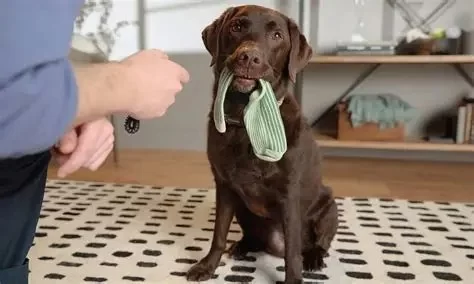
How to Safely Train Your Dog "Drop It / Leave It"
Training your dog to respond to commands like "Drop It" and "Leave It" is crucial for both their safety and your peace of mind. These commands can help prevent dangerous situations, such as when your dog picks up harmful objects or tries to eat something they shouldn’t. In this article, we’ll explore how to train these essential commands safely, tips to make training effective, and why these commands are important for both puppies and adult dogs alike.

1. Why "Drop It" and "Leave It" Are Important
Both the "Drop It" and "Leave It" commands are designed to prevent your dog from picking up dangerous or undesirable objects. While these commands may seem similar, they serve different purposes:
- "Drop It": This command is used when your dog is already holding an object (e.g., a toy, stick, or even something dangerous) in their mouth, and you want them to drop it immediately.
- "Leave It": This command is used to prevent your dog from picking up something in the first place, such as a piece of food on the ground or a hazardous item they’re about to grab.
Both commands are important for ensuring your dog doesn’t ingest something harmful, grab something dangerous, or get into trouble by playing with the wrong objects.

2. Step-by-Step Guide for Training "Drop It" and "Leave It"
Training your dog to respond to these commands takes patience, consistency, and positive reinforcement. Here's a step-by-step guide to help you get started:
Step 1: Start with "Drop It" Using a Toy
Begin by using your dog’s favorite toy or something they enjoy playing with. Here’s how to train them to "Drop It":
- Get your dog’s attention: Start by playing with your dog and showing them the toy they love.
- Introduce the command: While holding the toy, offer it to your dog and let them take it in their mouth.
- Give the "Drop It" command: As soon as they have the toy in their mouth, say "Drop it" and gently hold your hand near their mouth.
- Reward and reinforce: Once your dog drops the toy, immediately reward them with a treat or praise. This reinforces the positive behavior.
- Repeat: Continue practicing until your dog consistently drops the toy when asked.
Remember, using positive reinforcement (treats, praise, or toys) is key to reinforcing this behavior. Avoid punishment, as it can lead to confusion or anxiety.
Step 2: Transition to Real-Life Objects for "Drop It"
Once your dog is reliably responding to the "Drop It" command with toys, it’s time to practice with other objects, including things they might find on walks or in the house. Start with harmless items and gradually increase the challenge. Here are some tips:
- Begin with objects that aren’t dangerous, such as a sock or rubber ball.
- Practice in a safe, controlled environment where you can quickly intervene if needed.
- Always reward with treats when they drop the item correctly.
Step 3: Train "Leave It" for Prevention
The "Leave It" command is a preventative measure, often used when you don’t want your dog to pick up something in the first place. To train "Leave It," follow these steps:
- Start with treats: Place a treat on the floor in front of your dog, but don’t let them reach it.
- Give the "Leave It" command: As your dog shows interest in the treat, firmly say "Leave it." Don’t let them get close to it.
- Reward for ignoring: If your dog ignores the treat and looks at you, immediately reward them with a different treat or praise.
- Increase difficulty: Gradually increase the challenge by placing the treat closer to your dog or using more enticing items.
Training "Leave It" may take some time and patience, but it is invaluable for preventing your dog from grabbing dangerous items like food on the ground, sharp objects, or trash.
3. Tips for Successful Training
Training your dog to respond reliably to "Drop It" and "Leave It" requires consistency, patience, and practice. Here are some tips to ensure success:
- Use Positive Reinforcement: Always reward your dog immediately after they follow the command. Use treats, praise, or toys to reinforce good behavior.
- Practice Regularly: Short, consistent training sessions work better than long, sporadic ones. Aim for 5-10 minutes of training several times a day.
- Be Patient: Some dogs take longer to learn than others, so be patient and give them time to succeed.
- Stay Calm and Consistent: Use the same command words, tone, and actions every time to avoid confusion.
- Progress Gradually: Start with low-distraction environments and work your way up to more challenging situations.
4. Common Training Mistakes to Avoid
While training "Drop It" and "Leave It," there are a few common mistakes to avoid:
- Inconsistency: Avoid giving mixed signals by sometimes allowing your dog to pick up items or not reinforcing the command.
- Punishment: Never punish your dog for not following a command. Focus on positive reinforcement to encourage learning.
- Not Enough Practice: Make sure to practice regularly so that your dog doesn’t forget the behavior.
5. Real-Life Example: A Story of "Leave It" in Action
Consider the case of Max, a dog who loved scavenging for food on walks. His owner, Sarah, taught him "Leave It" by consistently practicing with treats and toys. At first, Max would lunge for food on the ground, but after consistent training, he learned to ignore it when Sarah said "Leave It." One day, while walking in a park, Max encountered a half-eaten sandwich on the sidewalk. Thanks to his training, he immediately looked up at Sarah for the "Leave It" command and continued walking past it without a second glance. This was a true testament to how effective training can keep your dog safe in real-life situations.
6. Conclusion: Safely Training "Drop It" and "Leave It"
Training your dog to respond to "Drop It" and "Leave It" commands is essential for their safety and your peace of mind. These commands can prevent your dog from ingesting dangerous items or getting into risky situations. With consistent practice, patience, and positive reinforcement, you can successfully teach your dog these life-saving commands. If you need further assistance with your dog’s training, be sure to consult with professionals like Hidden Brook Veterinary to get the best advice and support for your furry companion.