- 1. What Are Endocrine Disorders in Pets?
- 2. Common Endocrine Disorders in Pets
- 3. Early Signs and Symptoms of Endocrine Disorders
- 4. Diagnosing Endocrine Disorders in Pets
- 5. Treatment Options for Endocrine Issues in Pets
1. What Are Endocrine Disorders in Pets?
Endocrine disorders in pets occur when the body’s glands, which produce hormones, are not functioning correctly. These glands include the thyroid, adrenal glands, and pancreas, among others. Hormones regulate vital bodily functions, so when they are out of balance, it can lead to a variety of health problems.
Pets can suffer from a range of endocrine disorders, some of which may develop slowly over time and go unnoticed until they become more severe. Recognizing these conditions early can improve the chances of effective treatment and help maintain your pet’s quality of life.
2. Common Endocrine Disorders in Pets
There are several common endocrine disorders that pets can experience. Some of the most frequently diagnosed include:
2.1 Hypothyroidism
Hypothyroidism is a condition in which the thyroid gland produces too little thyroid hormone. This is most commonly seen in dogs, especially in middle-aged or older dogs of certain breeds like Golden Retrievers and Dachshunds. Symptoms of hypothyroidism include lethargy, weight gain, hair loss, and skin problems.
2.2 Hyperthyroidism
On the flip side, hyperthyroidism occurs when the thyroid produces too much hormone. This condition is more common in cats, particularly older cats. Symptoms include weight loss despite increased appetite, restlessness, and vomiting. Untreated hyperthyroidism can lead to heart problems and other serious health issues.
2.3 Diabetes Mellitus
Diabetes in pets is typically caused by an issue with the pancreas, which fails to produce enough insulin or the body becomes resistant to it. Diabetes is more common in cats and dogs that are overweight or older. Common symptoms include excessive thirst, frequent urination, and weight loss despite a good appetite.
2.4 Cushing’s Disease
Cushing’s disease is caused by an overproduction of cortisol, a hormone produced by the adrenal glands. It’s most common in dogs, particularly those that are middle-aged or older. Symptoms include increased thirst and urination, hair loss, and a pot-bellied appearance.
3. Early Signs and Symptoms of Endocrine Disorders
Recognizing the early signs of endocrine disorders in your pet can make a big difference in the effectiveness of treatment. Here are some of the most common early symptoms to watch for:
3.1 Weight Changes
Sudden or unexplained weight gain or loss can be a red flag for endocrine issues. Conditions like hypothyroidism and diabetes can cause weight changes, often without any changes in diet or activity level. If your pet’s weight fluctuates significantly, it’s time to consult your vet.
3.2 Changes in Appetite or Thirst
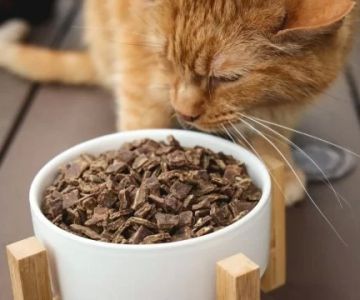
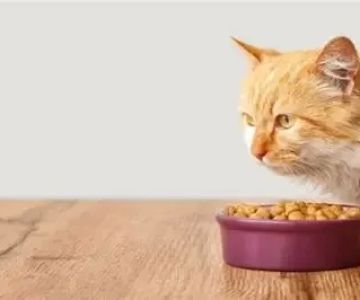
Increased or decreased thirst and appetite are common signs of endocrine disorders. Pets with diabetes or hyperthyroidism may eat more but still lose weight. On the other hand, hypothyroid pets may have a reduced appetite or difficulty maintaining weight despite eating well.
3.3 Skin and Coat Problems
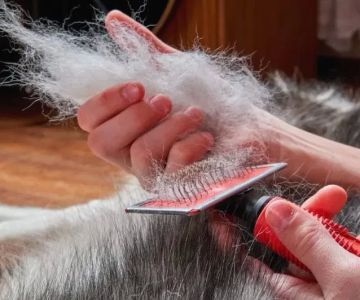
Endocrine disorders can have a noticeable impact on your pet’s skin and coat. Pets with hypothyroidism often develop dry, flaky skin and may lose hair in patches. If your pet’s coat becomes dull, patchy, or thin, this could indicate an underlying hormonal imbalance.
3.4 Lethargy or Behavioral Changes
Changes in your pet’s energy level or behavior can also point to an endocrine disorder. A dog with hypothyroidism might appear sluggish or less active, while a cat with hyperthyroidism may become more restless or irritable. Any significant behavioral changes should be taken seriously.
4. Diagnosing Endocrine Disorders in Pets
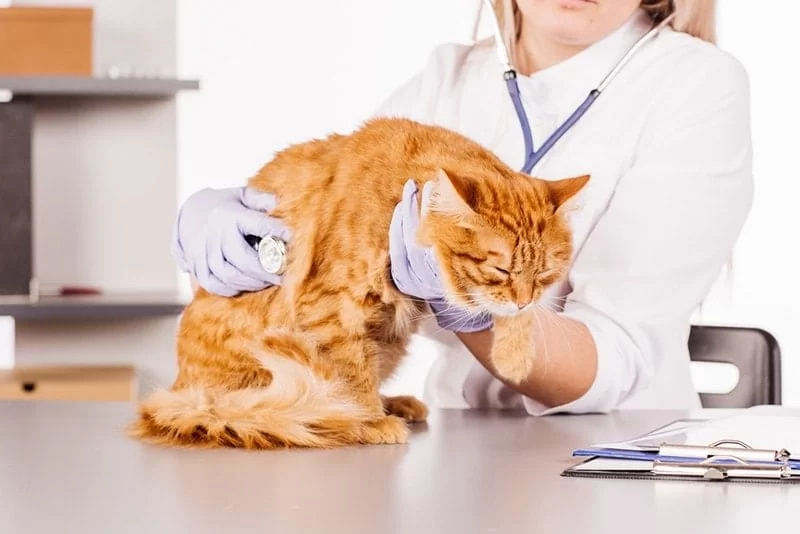
If you suspect your pet may be suffering from an endocrine disorder, the first step is to schedule a visit to your veterinarian. The vet will conduct a thorough physical examination and may perform a series of diagnostic tests, including blood work and urine tests, to assess hormone levels and gland function.
In some cases, your vet may recommend imaging tests, such as ultrasounds or X-rays, to assess the size and function of glands like the thyroid or adrenal glands. A correct diagnosis is critical, as treatment options vary depending on the specific condition affecting your pet.
5. Treatment Options for Endocrine Issues in Pets
Once a diagnosis is made, your vet will discuss treatment options based on the specific endocrine disorder your pet is facing. Here are some common treatments for endocrine conditions:
5.1 Medication
Many endocrine disorders can be managed with medication. For instance, pets with hypothyroidism are often prescribed synthetic thyroid hormone, while diabetic pets may need insulin injections. Medications for Cushing’s disease and hyperthyroidism may include drugs that suppress hormone production or address the underlying causes of the disorder.
5.2 Surgery
In some cases, surgery may be necessary to treat endocrine issues. For example, surgery may be required to remove a tumor causing hyperthyroidism in cats or an adrenal tumor causing Cushing’s disease. While surgery is not always required, it is an option that your vet may recommend depending on the severity of the condition.
5.3 Dietary Changes
For conditions like diabetes, dietary changes are often an important part of treatment. Special diabetic diets that help regulate blood sugar levels may be prescribed, along with monitoring food intake and weight.
5.4 Ongoing Monitoring
Endocrine disorders often require ongoing management. Regular vet check-ups, blood tests, and monitoring are crucial to ensure that treatment is effective and to adjust medications if necessary. With proper care and monitoring, many pets can lead a normal, healthy life despite having an endocrine disorder.
If you are concerned that your pet may be experiencing symptoms of an endocrine disorder, don't hesitate to reach out to Hidden Brook Veterinary for expert guidance and diagnosis. Early detection and treatment are key to ensuring your pet's health and well-being.