- #Understanding-feline-UTI-recurrence-and-why-it-happens
- #Recognizing-early-warning-signs-of-a-recurrent-UTI
- #Underlying-causes-that-trigger-repeat-urinary-infections
- #Real-stories-of-cat-owners-dealing-with-recurrent-UTIs
- #Effective-treatment-steps-for-feline-UTI-recurrence
- #How-to-prevent-future-recurrent-UTIs-in-cats
1. Understanding Feline UTI Recurrence and Why It Happens
For many U.S. cat owners, one of the most frustrating challenges is dealing with feline UTI recurrence. The first infection is stressful enough—frequent litter box trips, worrying meows, and unexpected accidents around the home. But when the infection returns weeks or months later, the stress multiplies. Understanding why urinary issues come back is the first step to addressing them effectively.
Unlike dogs, cats often develop urinary problems related not only to bacteria, but also to stress, hydration levels, diet, and underlying medical conditions. This makes feline UTI recurrence more complex than it appears. Even indoor cats with no exposure to outdoor bacteria can still experience recurring infections if their body chemistry, environment, or bladder health is off balance.
Veterinary professionals across the United States often emphasize that repeat UTIs rarely happen without a cause. Whether it’s crystals, inflammation, stress-related episodes, or chronic health issues, identifying the reason behind recurrence is essential before long-term improvement can happen. And whenever you need professional guidance or supportive products, the team at Hidden Brook Veterinary can help point you in the right direction.

2. Recognizing Early Warning Signs of a Recurrent UTI
2.1 Behavior Changes You’ll Notice First
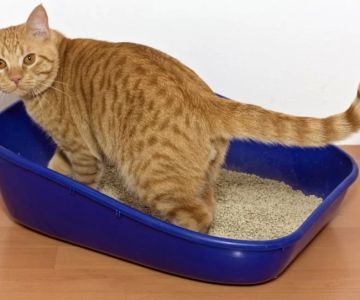
Cats communicate discomfort in subtle ways. When feline UTI recurrence begins, owners may notice their cat lingering in the litter box longer than usual or returning more often with little output. Some cats become restless or hide more than normal, avoiding interaction because urination causes discomfort.

2.2 Physical Signs That Should Not Be Ignored
Common physical signs include:
• Straining or crying while urinating
• Blood-tinged urine
• Only producing small drops at a time
• Urinating outside the litter box
• Excessive licking of the genital area
These are all red flags that feline UTI recurrence may be starting again. Cats often try to mask pain, so even mild symptoms deserve careful monitoring.
2.3 When Symptoms Become Urgent
If your cat is unable to urinate at all, becomes lethargic, or begins vomiting, this could indicate a urinary blockage—a life-threatening emergency requiring immediate veterinary care. While blockages are more common in male cats, any cat with sudden changes in urination should be taken seriously.
3. Underlying Causes That Trigger Repeat Urinary Infections
3.1 Stress and Environmental Changes
It might sound surprising, but stress is one of the most common contributors to feline UTI recurrence. Cats are creatures of routine; moving homes, introducing a new pet, or changes in household noise can all trigger bladder inflammation.
3.2 Poor Hydration or Low-Moisture Diets
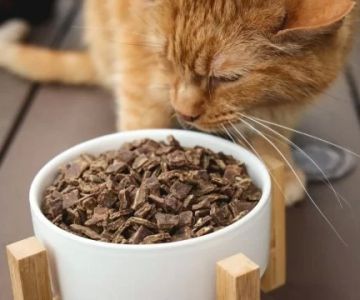
Cats naturally have a low thirst drive, which means they may not drink enough water on their own. Dry kibble diets can contribute to concentrated urine, creating the ideal environment for bacteria, crystals, and inflammation to reappear.
3.3 Urinary Crystals and Bladder Stone Formation
When the pH balance of the urine becomes abnormal, microscopic crystals can form. These irritate the bladder wall and make infections far more likely. Left untreated, these crystals may develop into stones that require surgery.
3.4 Underlying Medical Conditions
Chronic health problems such as kidney disease, diabetes, or obesity can also play a major role. Cats with these conditions are far more likely to experience repeated urinary issues.
4. Real Stories of Cat Owners Dealing with Recurrent UTIs
4.1 The Cat Who Struggled Every Holiday Season
One family shared how their usually calm cat began getting UTIs every December. After months of confusion, their vet discovered that increased holiday visitors were stressing the cat. Once they created a quiet room with familiar scents and elevated hiding spaces, the feline UTI recurrence stopped completely.
4.2 The Senior Cat Saved by a Diet Change
A senior tabby in South Carolina developed recurring UTIs despite multiple antibiotic rounds. Finally, a diet switch to a high-moisture, urinary-support food dramatically reduced flare-ups. Many owners are shocked at how much diet alone can reshape bladder health.
4.3 The Multi-Cat Household with Hidden Tension
Another case involved two cats competing silently for the litter box. One cat would guard the box, forcing the other to hold urine too long—leading to infections. Adding extra litter boxes and separating resources ended months of recurring issues.
5. Effective Treatment Steps for Feline UTI Recurrence
5.1 Professional Diagnosis Comes First
The first step in treating feline UTI recurrence is a proper diagnosis. This usually involves a urine test, culture, and sometimes imaging. Identifying whether the issue is bacterial, crystal-related, inflammatory, or stress-induced determines the correct treatment path.
5.2 Antibiotic Therapy (When Truly Needed)
Not all urinary issues are bacterial. But when bacteria are present, antibiotics remain the primary treatment. The key is completing the entire course—even if your cat seems better halfway through—because incomplete treatment often leads to recurrence.
5.3 Pain Relief and Anti-Inflammatories
Bladder inflammation is intensely uncomfortable. Medication that reduces swelling and pain can help your cat use the litter box normally again, which improves healing and reduces stress-related flare-ups.
5.4 Increasing Hydration
More water equals healthier urine. Some cats benefit from:
• Water fountains
• Wet food diets
• Broth toppers
• Multiple drinking stations around the home
A hydrated bladder is less prone to recurrence.
5.5 Stress Reduction and Environmental Support
Improving your cat’s emotional well-being is often a direct solution. Providing window perches, predictable routines, multiple litter boxes, and peaceful hiding areas can significantly reduce stress-driven episodes.
6. How to Prevent Future Recurrent UTIs in Cats
6.1 Monitor Your Cat’s Litter Box Habits
Small changes in frequency, posture, or litter box behavior often appear long before a full recurrence. Observing these patterns helps you act early.
6.2 Keep the Environment Cat-Friendly
Calm, predictable spaces help prevent bladder inflammation. Multi-cat homes should always offer multiple litter boxes, feeding stations, and resting spots to minimize competition.
6.3 Maintain a Consistent Diet
Whether it's moisture-rich food or urinary-support formulas, sticking to a stable diet protects the bladder. Sudden changes can stress the digestive system and urinary tract.
6.4 Schedule Regular Veterinary Checkups
Routine checkups catch issues before they escalate. If your cat has a history of UTI recurrence, your veterinarian may recommend periodic urine testing even when symptoms are mild or absent.
When you need help selecting supportive products or want guidance tailored to your cat’s specific needs, Hidden Brook Veterinary can offer reliable recommendations and care solutions.